Trump Tariffs Put Canada on Edge
Trump Tariffs Put Canada on Edge
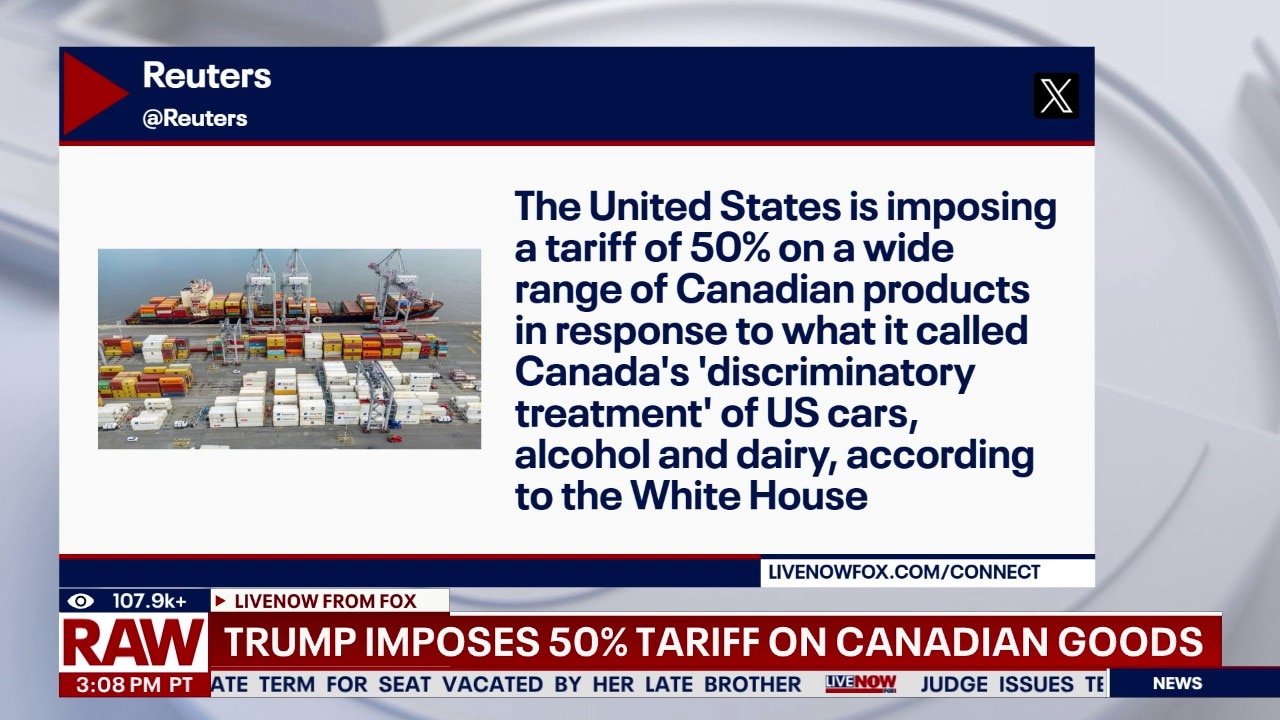
Canada is once again staring at a familiar and expensive problem: what happens when trade becomes a political weapon. The latest Trump tariff threats are not just a diplomatic flare-up. They are a direct challenge to Canadian exporters, manufacturers, and policymakers who have spent years trying to build predictability into a relationship that keeps snapping back into chaos. For companies that depend on the U.S. market, this is not abstract geopolitics. It is pricing pressure, supply chain risk, and margin compression, all arriving at once. For Ottawa, it is a test of whether measured diplomacy can still work in an era where leverage often matters more than rules. The result is a Canada trade tariffs crisis that could reshape investment decisions, industrial strategy, and the future of North American commerce.
- Trump tariff threats are reviving trade uncertainty for Canada’s export-driven economy.
- Businesses may need to rework sourcing, pricing, and contingency plans fast.
- Ottawa faces pressure to balance diplomacy with tougher economic defense.
- The broader risk is not one tariff round, but a long cycle of policy volatility.
Canada trade tariffs are back as a business risk, not just a political headline
The danger in tariff disputes is how quickly they move from cable-news drama to boardroom reality. Canadian firms know this better than most. Auto parts makers, lumber producers, agricultural exporters, and industrial suppliers all live close to the edge of the U.S. market. When tariff talk escalates, executives do not wait for the final text of a policy memo. They start asking whether contracts need hedging, whether inventory should be pulled forward, and whether customers will absorb higher prices or walk away entirely.
That is why the phrase Canada trade tariffs now carries so much weight. It represents more than a tax at the border. It is a signal that long-term planning may be getting harder just as companies are trying to normalize after years of inflation, higher rates, and uneven demand.
Trade uncertainty rarely kills a business overnight. It does something more damaging: it makes every future decision more expensive.
Why this matters for Canada trade tariffs
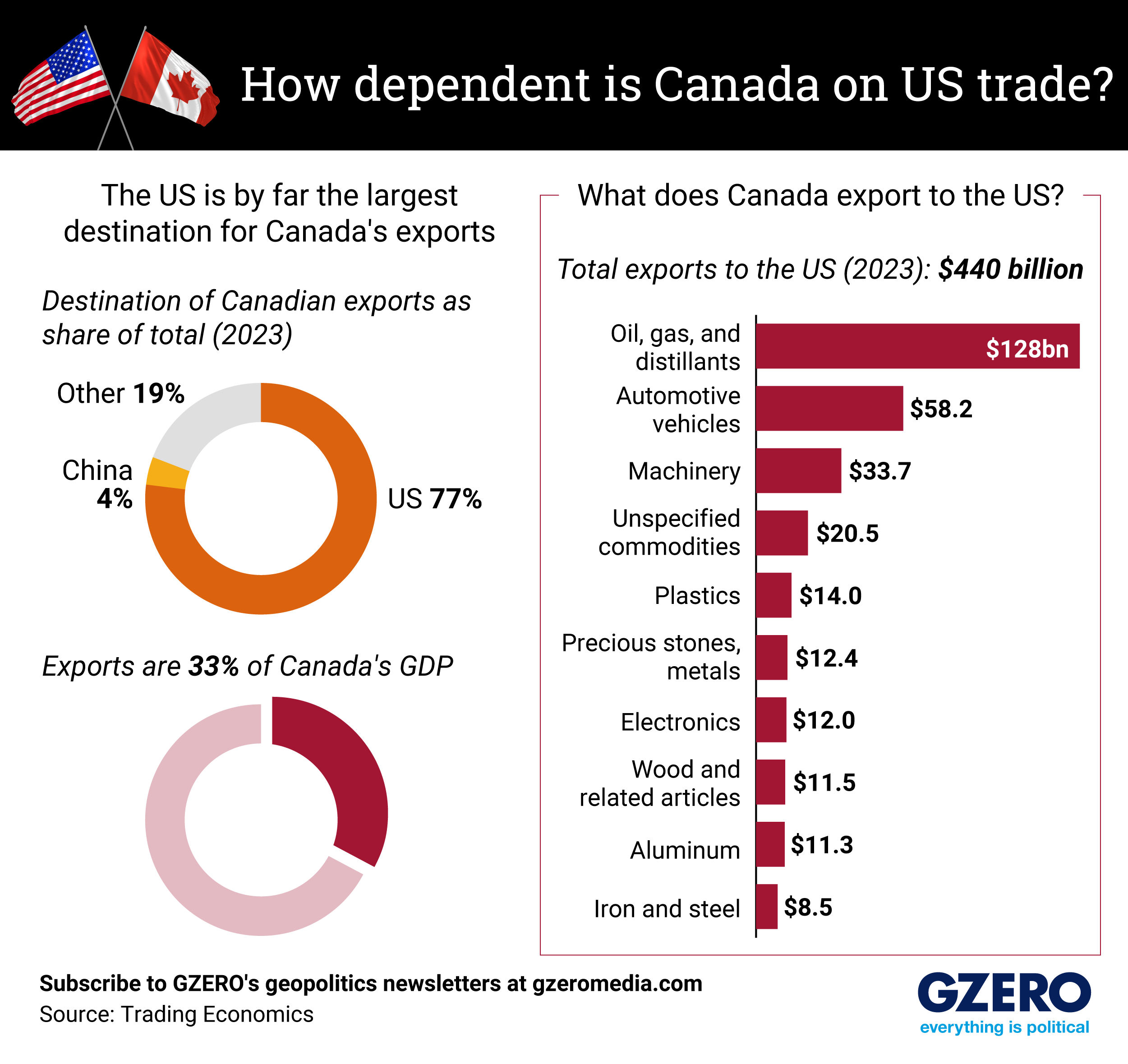
Canada’s economy is unusually exposed to the U.S. because the two countries are deeply integrated across energy, food, autos, and industrial goods. That integration is a strength in stable times. Under tariff pressure, it becomes a vulnerability. A single policy shift can ripple through trucking networks, factory schedules, and warehouse demand in both directions.
For policymakers, the issue is not only protecting exports. It is preserving the credibility of Canada as a reliable trade partner. If investors begin to believe that access to the U.S. market can be disrupted by a political decision at any moment, then the cost of capital rises. Projects get delayed. Expansion plans shrink. Some firms may even rethink where they build new capacity.
This is why Canada trade tariffs are so much bigger than one negotiation. They touch industrial policy, competitiveness, and national security in a way that is increasingly hard to separate.
How companies should respond now
Firms cannot control the White House, but they can reduce the damage from tariff volatility. The playbook is not glamorous, but it is practical. The companies that survive these shocks best are usually the ones that treat trade disruption like weather forecasting: assume the storm may come, and prepare before it lands.
- Audit exposure: Map every product line that depends on U.S. demand or cross-border inputs.
- Stress test pricing: Model what happens if tariffs force a 5%, 10%, or 15% cost increase.
- Review contracts: Check whether current agreements allow surcharge pass-throughs or renegotiation.
- Diversify sourcing: Reduce single-country dependencies where possible.
- Build inventory buffers: Use selective stockpiling for critical inputs, not everything.
One practical step is to track margin sensitivity at the SKU level instead of relying on broad averages. A simple internal model can show where a tariff hurts most:
new_cost = base_cost * (1 + tariff_rate)
new_margin = sale_price - new_cost - logistics - overhead
That sounds basic, but it is exactly the kind of discipline many firms skip until the policy shock is already in motion.
Ottawa’s response will shape the next phase of Canada trade tariffs
The federal government has a narrow path. Respond too aggressively and Canada risks worsening the dispute. Respond too softly and Ottawa looks unable to defend key sectors. That balance gets harder when the political temperature rises and businesses start demanding certainty that no government can guarantee.
Still, Canada has a few tools. It can coordinate with provinces and industry groups to identify the most exposed sectors. It can prepare targeted support rather than broad, expensive bailouts. It can also intensify efforts to diversify trade ties beyond the U.S., even if that remains a slow burn rather than a quick fix. Trade diversification is often promoted as a simple answer, but it is really a long game of infrastructure, standards alignment, and market access.
What matters now is speed. If policymakers wait until tariff measures are fully deployed, they are already behind. The smarter move is to signal readiness early, especially to markets that hate surprises.
The strategic problem is uncertainty, not just higher costs
Tariffs do not only raise prices. They distort behavior. Businesses delay investment because they cannot forecast demand with confidence. Suppliers hesitate to commit capacity. Buyers push for shorter contracts. Everyone gets more defensive.
That is especially painful for Canada because its economic model depends on integration and predictability. A tariff dispute breaks both. It can also encourage a kind of strategic drift, where firms stop making long-term bets and start optimizing only for the next quarter. That may protect cash flow, but it weakens competitiveness over time.
In that sense, the real threat from Canada trade tariffs is not a single cost line on a spreadsheet. It is the gradual erosion of business confidence. Once executives start assuming volatility is permanent, the country has a bigger problem than any one policy cycle.
When trade rules feel unstable, companies stop building for growth and start building for survival.
The sectors most exposed to Trump tariff pressure
Not every industry faces the same risk. Some sectors have far more direct exposure to the U.S. than others, and those are the ones likely to feel the earliest pain:
- Automotive: Highly integrated supply chains make even small tariff changes costly.
- Energy: Cross-border movement of oil, gas, and refined products can be disrupted by policy friction.
- Lumber and materials: Tariff cycles often hit commodity-linked sectors first.
- Agriculture and food processing: Margins are thin, so border costs hit hard.
- Manufacturing inputs: Firms that move parts back and forth across the border are especially vulnerable.
For these industries, the question is not whether to react. It is how quickly they can reduce exposure without damaging growth. That is a hard balance, and there is no perfect solution.
What happens next in the Canada trade tariffs fight
The next phase will depend on whether the tariff threat is a bargaining tactic or the start of a real policy shift. If it is mostly leverage, then markets may calm once political negotiations advance. If it becomes a durable stance, then Canada will need a more structural response, including deeper supply chain resilience and more aggressive market diversification.
There is also a second-order effect worth watching: how U.S. businesses react. American manufacturers, retailers, and consumers often absorb tariff pain too. That means domestic pressure inside the U.S. can eventually matter as much as diplomatic pressure from Canada. Still, no country should count on another one’s political discomfort to protect its own economy.
The sober takeaway is simple. Canada cannot assume the old trade order will keep its promises. It has to prepare for a world where access to the U.S. market remains essential but less dependable. That is a difficult place to stand, but it is the one policymakers and executives now occupy.
If Trump tariff threats continue to escalate, Canada trade tariffs could become one of the defining economic stories of the year, not because tariffs are new, but because the country has so much more at stake this time.
The information provided in this article is for general informational purposes only. While we strive for accuracy, we make no guarantees about the completeness or reliability of the content. Always verify important information through official or multiple sources before making decisions.