British Columbia Wildfire Response Exposes a New Climate Playbook
British Columbia Wildfire Response Exposes a New Climate Playbook
British Columbia’s wildfire response is no longer just about firefighting. It is a test of whether a government can protect communities while the fire season gets hotter, longer, and more expensive. The pressure is immediate: evacuations, smoke, strained crews, and public demands for answers. But the deeper story is bigger than one province. British Columbia is being forced to build a climate response model in real time, and every weak point in that system is now visible. For policymakers, emergency managers, and residents, the hard question is not whether wildfires will keep coming. It is whether the state can move fast enough to stay ahead of them. That makes British Columbia wildfire response a crucial signal for how other regions will handle the next wave of climate-driven disasters.
- British Columbia’s wildfire response is becoming a blueprint for climate-era crisis management.
- Emergency response now depends on prevention, data, staffing, and public communication working together.
- Climate change is turning wildfire season into a longer, more volatile operational challenge.
- The real test is not just suppression, but resilience before, during, and after the fire.
- Governments that underinvest in preparedness will keep paying more in damage, disruption, and political fallout.
Why British Columbia wildfire response matters now
The province is facing a reality that many governments have tried to postpone: wildfire is no longer an occasional natural disaster, but a recurring governance problem. That shift changes everything. It affects budgets, land management, housing, health systems, infrastructure, and insurance. It also changes public expectations. Residents do not just want emergency alerts after a fire starts. They expect coordination, clear leadership, and visible preparation long before the first evacuation order.
That is why British Columbia wildfire response matters far beyond provincial borders. British Columbia has become a pressure point for climate policy because it sits at the intersection of dense population centers, remote communities, and landscapes that are increasingly primed to burn. If the response looks fragmented, the public notices. If the response is strong, other jurisdictions will study it.
Wildfire response used to be judged by how fast crews could reach the flames. Now it is judged by how well governments can reduce risk before a fire starts.
The operational problem is bigger than the fire line
At first glance, wildfire management appears to be a straightforward emergency function: detect the blaze, deploy crews, protect homes, and put it out. In practice, the system is much messier. Fire suppression relies on weather forecasting, fuel management, aircraft availability, trained personnel, evacuation planning, and local communication networks. If any one of those pieces fails, the entire response weakens.
British Columbia’s challenge is amplified by geography. The province contains major urban corridors, mountain terrain, vast forests, and communities that are difficult to access quickly. That means response times are often shaped less by ambition than by logistics. When smoke thickens and roads close, the problem is not just whether the fire can be contained. It is whether people can be moved safely and whether critical services can keep functioning.
Staffing and resource pressure
One of the least discussed elements of wildfire readiness is workforce capacity. Fire seasons are longer, which means crews are working under more fatigue, more turnover, and more competition for trained personnel. Mutual aid agreements help, but they do not solve the structural problem. Governments need a permanent pipeline of qualified responders, not a scramble every summer.
That is where the policy conversation gets serious. A modern British Columbia wildfire response cannot rely on heroics alone. It needs year-round investments in training, equipment maintenance, and retention. Without that, the province will keep entering peak fire season with its most valuable resource already stretched thin.
Data systems and fast decisions
Wildfire response is becoming increasingly data-driven. Satellite imagery, remote sensors, modeling tools, and real-time public alerts can improve situational awareness, but only if decision-makers trust and use them. The most advanced tools are useless if local teams cannot interpret them quickly or if communication across agencies is inconsistent.
That is where the digital layer matters. A province-wide emergency system has to move from detection to action with minimal delay. That requires integrated platforms, clear chains of command, and reliable public messaging. The better the data, the better the response – but only if the system is built to act on it.
British Columbia wildfire response and the climate reality
The central problem is not just operational. It is climatic. Scientists have spent years warning that warmer temperatures, drier conditions, and extreme weather patterns are creating a more combustible environment. British Columbia has lived that future already. Smoke-filled summers and catastrophic fire years have shown that what used to be described as extraordinary is now becoming routine.
That reality changes the definition of preparedness. Governments can no longer think only in terms of emergency response. They have to think in terms of landscape management, urban planning, forest policy, and community resilience. Fire-smart building codes, defensible space around homes, and targeted mitigation work matter because they reduce the burden on responders when fires inevitably break out.
This is the part of the story that is easy to miss: wildfire resilience is not just a fire department issue. It is a cabinet-level issue. It touches housing policy, transportation routes, power grids, public health, and Indigenous land stewardship. A resilient province is one that has designed for fire, not simply reacted to it.
Why public trust is part of the infrastructure
Emergency systems fail when people do not trust them. If evacuation warnings are confusing, delayed, or inconsistent, residents hesitate. If residents hesitate, more people end up in danger. That makes communication a core piece of infrastructure, not a soft add-on.
In a high-stress wildfire scenario, public trust depends on three things: timing, clarity, and consistency. Alerts must be understandable. Instructions must be actionable. And updates must not contradict each other. The best fire strategy in the world will still struggle if the public thinks officials are improvising.
In a smoke emergency, communication is not public relations. It is life safety.
What a stronger climate response playbook looks like
If British Columbia is building the next generation of wildfire response, the blueprint should include more than suppression aircraft and emergency notices. It should be a layered system designed for prevention, rapid action, and recovery. That means treating wildfire as a whole-of-government problem with measurable goals.
Here is what that kind of playbook usually includes:
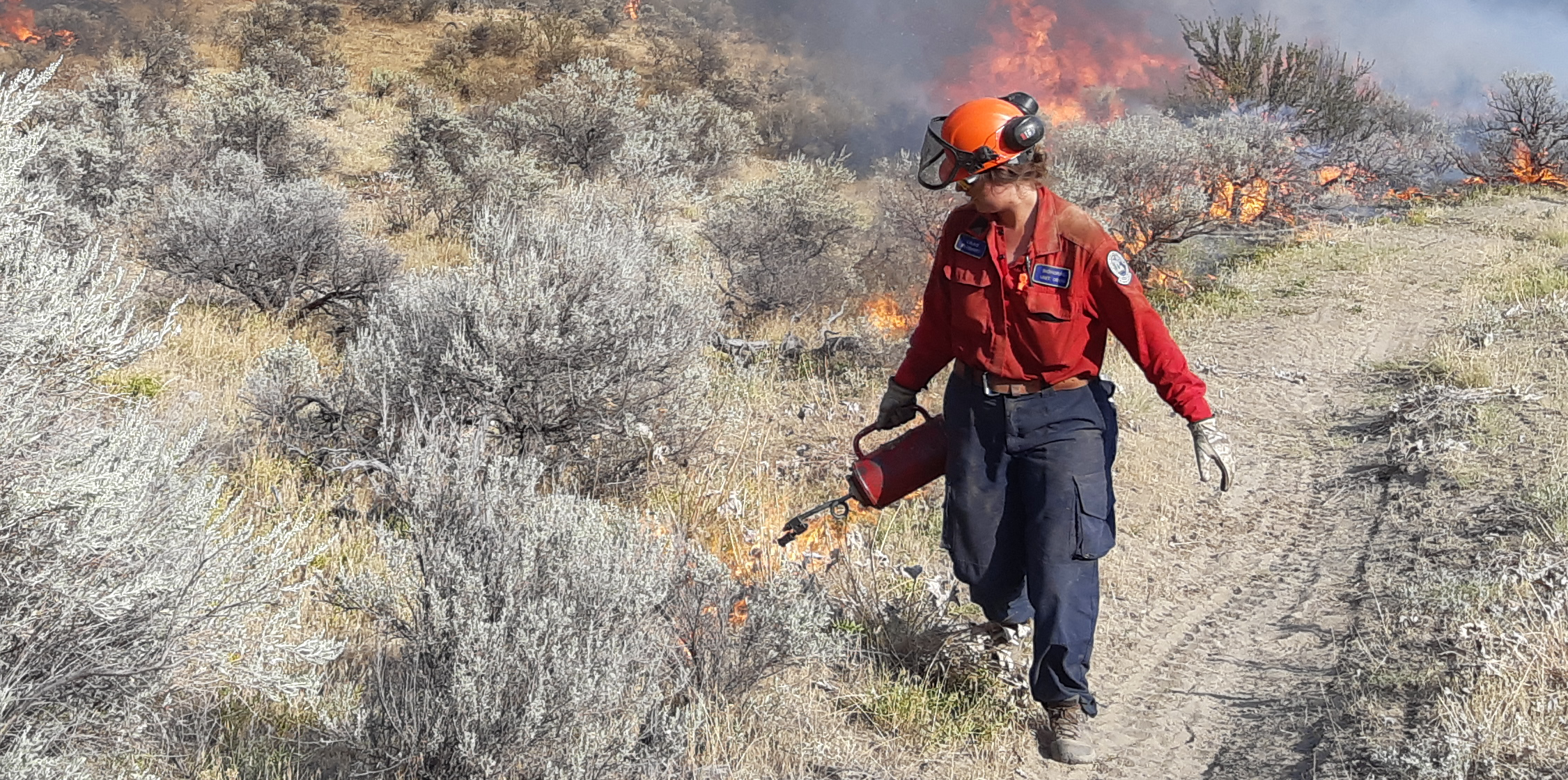
- Prevention first: fuel reduction, controlled burns where appropriate, and land management that lowers ignition risk.
- Community hardening: fire-resistant materials, safer zoning, and defensible-space requirements around homes.
- Smarter alerts: automated but locally tailored warnings that reach people before a fire becomes a crisis.
- Stronger staffing: seasonal surge capacity backed by permanent training and retention programs.
- Post-fire recovery: faster rebuilding support, mental health services, and infrastructure restoration plans.
That list sounds obvious, but governments often underfund the least visible parts. Prevention does not generate the same political urgency as aircraft dropping water on a ridge line. Yet prevention is where the biggest savings live. Every dollar spent before ignition can save many more after the smoke clears.
The political stakes are rising
Wildfire response has become a measure of competence. When governments stumble, the criticism is immediate: why were crews short? Why were warnings late? Why was more not done earlier? Those questions are politically punishing because they mix genuine public safety concerns with deeper frustration about climate inaction.
British Columbia’s challenge is therefore not only to manage fires, but to show that it is adapting fast enough to a changing risk environment. That is an extremely hard standard to meet. It requires visible action during calm periods, which is rarely rewarded in the short term. It also demands that officials explain tradeoffs honestly. No province can eliminate wildfire risk entirely. The goal is to reduce exposure, limit destruction, and protect lives with a system that learns every season.
For business leaders, the implications are equally serious. Smoke events disrupt labor, logistics, tourism, agriculture, and energy demand. Supply chains do not need a direct hit to suffer. They only need enough disruption to create delay, uncertainty, and cost. That makes wildfire planning a business continuity issue as much as a government one.
Why this matters for the next decade
The lesson from British Columbia is not that wildfires are uniquely disastrous there. It is that the climate era has turned emergency management into an ongoing strategic function. Governments that still treat wildfire as an isolated seasonal hazard are already behind. The ones that invest now in prevention, data, infrastructure, and public readiness will be better positioned when the next crisis arrives.
There is also a broader technological angle. As climate risk intensifies, emergency systems will increasingly depend on predictive analytics, resilient communications, and interoperable platforms. That creates a market for better tools, but only if governments demand systems that are secure, easy to deploy, and useful under pressure. Fancy dashboards do not save lives. Decision-ready systems do.
British Columbia is now standing at that crossroads. The province can either treat each fire season as a fresh emergency or use it to build a durable operating model for the climate decade. The difference will be measured not only in acres burned, but in homes saved, communities protected, and trust preserved.
British Columbia wildfire response is therefore more than a provincial headline. It is an early look at how modern governments will be judged in a hotter, more volatile future: not by whether they can eliminate catastrophe, but by whether they can reduce its reach before it becomes unstoppable.
The information provided in this article is for general informational purposes only. While we strive for accuracy, we make no guarantees about the completeness or reliability of the content. Always verify important information through official or multiple sources before making decisions.