Canada Tariffs Shake U.S. Trade
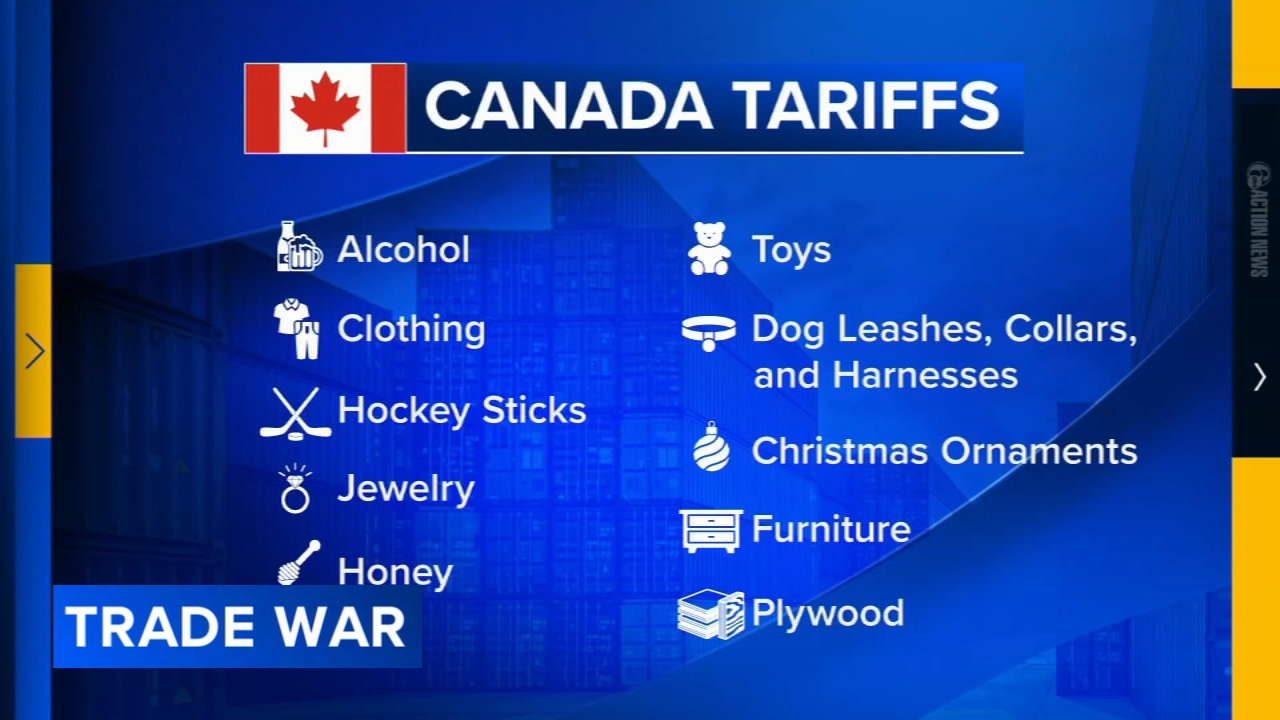
Canada Tariffs Shake U.S. Trade
Canada tariffs are no longer a niche policy fight tucked inside trade briefings. They are now a live business problem, one that can hit margins, reorder supply chains, and complicate everything from consumer pricing to manufacturing schedules. For U.S. companies that depend on Canadian inputs, the stakes are immediate: higher landed costs, slower cross-border movement, and more uncertainty in planning cycles that already feel too short. For policymakers, the issue is just as combustible. Trade disputes that sound abstract on paper tend to become very concrete once they start showing up in invoices, warehouse inventory, and quarterly earnings calls.
- Canada tariffs can raise costs fast, especially for cross-border supply chains.
- U.S. businesses may need to rework sourcing, pricing, and inventory plans.
- Trade friction often hits smaller firms harder than large multinationals.
- The real risk is not just the tariff itself, but the uncertainty it creates.
- Companies that model scenarios now are better positioned if tensions escalate.
Why Canada Tariffs Matter Right Now
The immediate problem with Canada tariffs is that they do not stay contained at the border. They move upstream into procurement, logistics, and finance. A tariff on an imported component can ripple through an entire product line, especially when manufacturers rely on just-in-time delivery and narrow supplier networks. That is why business leaders tend to treat tariff policy less like a political talking point and more like an operational stress test.
There is also a psychological effect that often gets overlooked. When trade rules become unstable, companies stop optimizing for efficiency and start optimizing for resilience. That means more stockpiling, more vendor diversification, and more conservative pricing. None of those moves are free. They can make businesses slower and more expensive, but they are often the rational response to policy volatility.
Expert insight: The tariff itself may be measurable, but the uncertainty around it is often more damaging because it forces companies to plan for the worst while hoping for the best.
The Business Squeeze Behind the Policy Fight
For large corporations, Canada tariffs can usually be absorbed, at least temporarily, through scale, hedging, or negotiated supplier contracts. Smaller companies do not have that cushion. A regional importer, a specialty food brand, or an auto parts distributor can feel the pain almost immediately. When margins are already thin, even a modest tariff can force a decision: absorb the cost, raise prices, or cut elsewhere.
That choice is rarely clean. Raising prices risks losing customers in a market where consumers are already sensitive to inflation. Absorbing costs may preserve demand, but it can crush profitability. Cutting expenses can weaken service or quality. Trade policy, in other words, tends to reveal how fragile business models really are.
Where the pressure shows up first
- Procurement: higher input costs and tighter vendor negotiations.
- Logistics: added customs complexity and slower routing decisions.
- Pricing: pressure to pass through costs without losing demand.
- Inventory: more stock buffers to hedge against policy changes.
That pressure is especially intense in sectors with deep North American integration, such as automotive, agriculture, food processing, and industrial manufacturing. In those industries, a product may cross the border multiple times before it reaches a consumer. Every crossing becomes a potential cost multiplier.
Canada Tariffs and the Supply Chain Reset
The biggest strategic shift is not just about tariffs themselves. It is about how companies redesign their supply chains once they no longer trust stable trade conditions. That often starts with a familiar corporate mantra: diversify. But diversification is easier said than done. Replacing a Canadian supplier with one from another market may reduce tariff exposure, yet it can introduce quality issues, compliance hurdles, and longer shipping times.
That is why many firms are now evaluating a more layered approach:
- Split sourcing across multiple geographies.
- Increase safety stock for critical components.
- Renegotiate contracts to share tariff risk.
- Localize assembly or final production when possible.
None of these strategies eliminates the problem. They simply spread the risk. The tradeoff is important: resilience costs money, but being overexposed to one policy shock can cost much more.
Pro tip for operators
If your business depends on cross-border inputs, build a tariff scenario model now. Use simple assumptions such as a 5 percent, 10 percent, and 15 percent cost increase to map how quickly margin erodes. Then identify the product lines that can tolerate price increases and the ones that cannot. A spreadsheet may not solve trade policy, but it can keep a boardroom debate grounded in numbers instead of panic.
What U.S. Consumers Could Feel Next
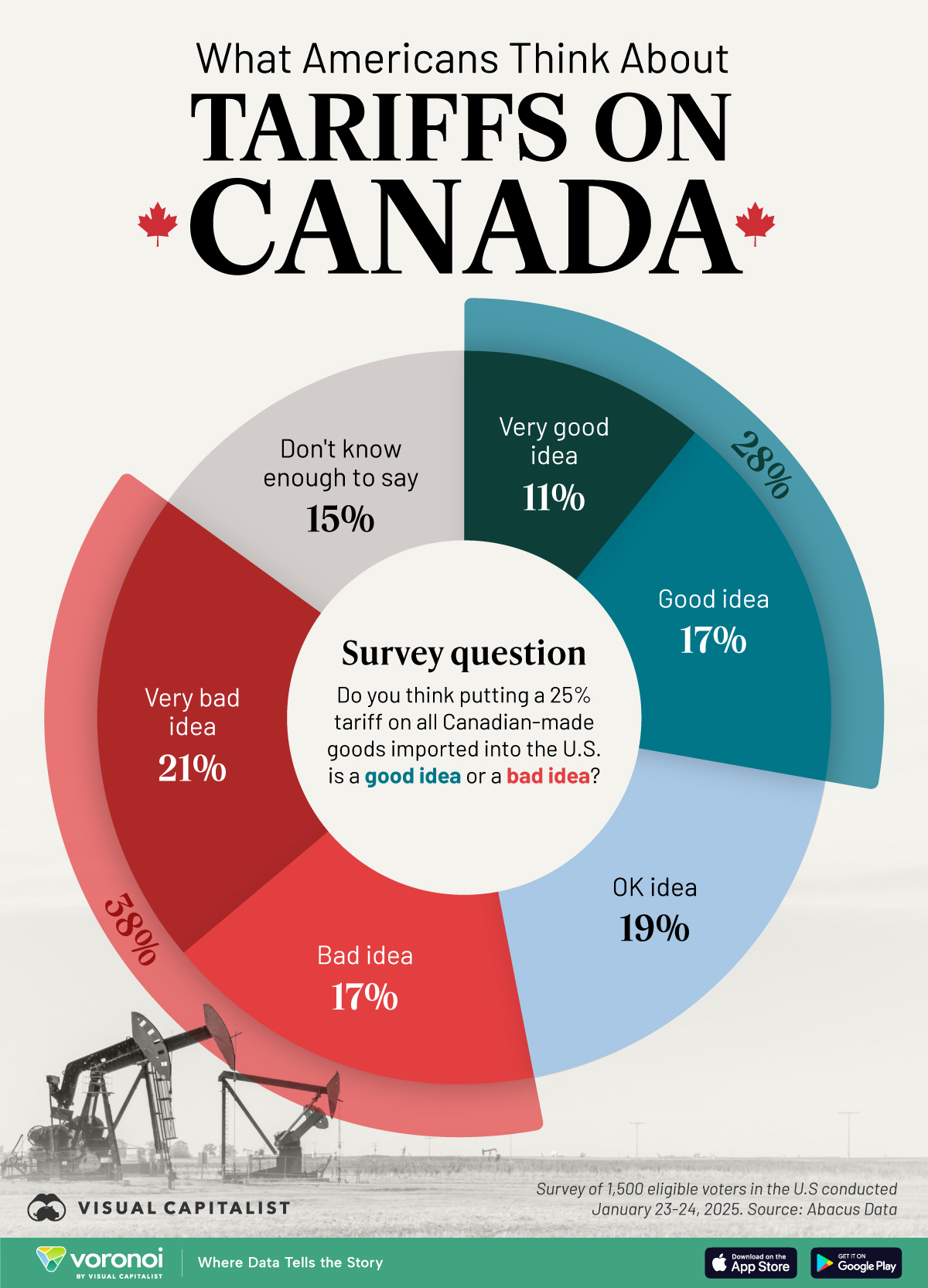
Consumers usually experience trade disputes indirectly, but they do feel them. Higher input costs can filter into retail pricing, especially for goods with limited domestic alternatives. That may mean more expensive appliances, vehicles, packaged food, or home improvement products. If tariffs persist long enough, businesses also begin to factor policy risk into future pricing, which can make the effects stick even after the headlines fade.
There is a second-order effect here that matters. When shoppers see frequent price increases tied to trade policy, they can become more skeptical of supply chain promises and brand messaging. Companies that once marketed reliability may instead have to explain why shipping, inventory, or pricing suddenly changed. That is not just an economic problem. It is a trust problem.
Bottom line: Tariffs rarely remain a pure policy issue. They become a consumer story once prices start moving and availability gets tighter.
How Executives Should Respond to Canada Tariffs
Executives do not need to predict every political move to prepare for the operational effects. The smarter play is to build flexibility into the business model. That means stress testing exposure, communicating with suppliers, and making sure finance teams understand how quickly costs could rise.
Here is a practical response framework:
- Map exposure: identify every product, component, and route tied to Canada.
- Quantify margins: calculate how much tariff pass-through each line can absorb.
- Test alternates: evaluate secondary suppliers before you need them.
- Align teams: bring procurement, finance, and operations into one planning cycle.
- Communicate early: tell customers and partners before pricing changes hit.
One common mistake is treating tariffs as a finance-only issue. They are not. Tariffs touch operations, sales, compliance, and even customer support. The companies that manage them best tend to treat them as enterprise-wide risk.
The Strategic Signal Beyond the Border
Canada tariffs also send a broader message about the future of trade. For years, many businesses assumed that North American supply chains would remain functionally stable, even if politics got messy. That assumption is getting harder to defend. Companies are now being forced to consider a less friendly reality: trade rules can shift faster than capital investments can be recouped.
This is where the long-term implications get serious. If tariff uncertainty becomes the norm, firms may invest less in highly integrated cross-border systems and more in regional redundancy. That can reduce efficiency at the macro level, but it may also create a more shock-resistant economy. The tension between those two outcomes is the real policy battle.
What happens if tensions escalate
If the trade dispute expands, expect three likely outcomes. First, businesses will accelerate contingency planning. Second, some pricing increases will become permanent rather than temporary. Third, governments and industry groups will face more pressure to negotiate exceptions, exemptions, or sector-specific relief. Once that happens, the conversation shifts from whether tariffs matter to who gets protected and who gets left exposed.
That is the part policymakers and executives both understand: tariffs are never just about revenue collection. They are leverage. And leverage, by design, changes behavior.
The Takeaway for Businesses
The smartest reading of this moment is not that one tariff will transform North American trade overnight. It is that the rules of the game feel less predictable, and businesses hate unpredictability more than they hate complexity. Complexity can be modeled. Uncertainty tends to spread.
For companies exposed to Canada tariffs, the practical move is to prepare for a world where trade frictions recur, not one where they disappear. That means stronger supplier networks, more disciplined margin analysis, and faster decision-making when policy shifts. The businesses that survive this environment will not be the ones that guess every move correctly. They will be the ones that can adapt quickly when the next move lands.
That may sound cautious, but it is also the most realistic strategy available. In a trade climate like this, resilience is no longer a buzzword. It is a competitive advantage.
The information provided in this article is for general informational purposes only. While we strive for accuracy, we make no guarantees about the completeness or reliability of the content. Always verify important information through official or multiple sources before making decisions.