Yen Intervention Sends Markets Reeling
Yen Intervention Sends Markets Reeling
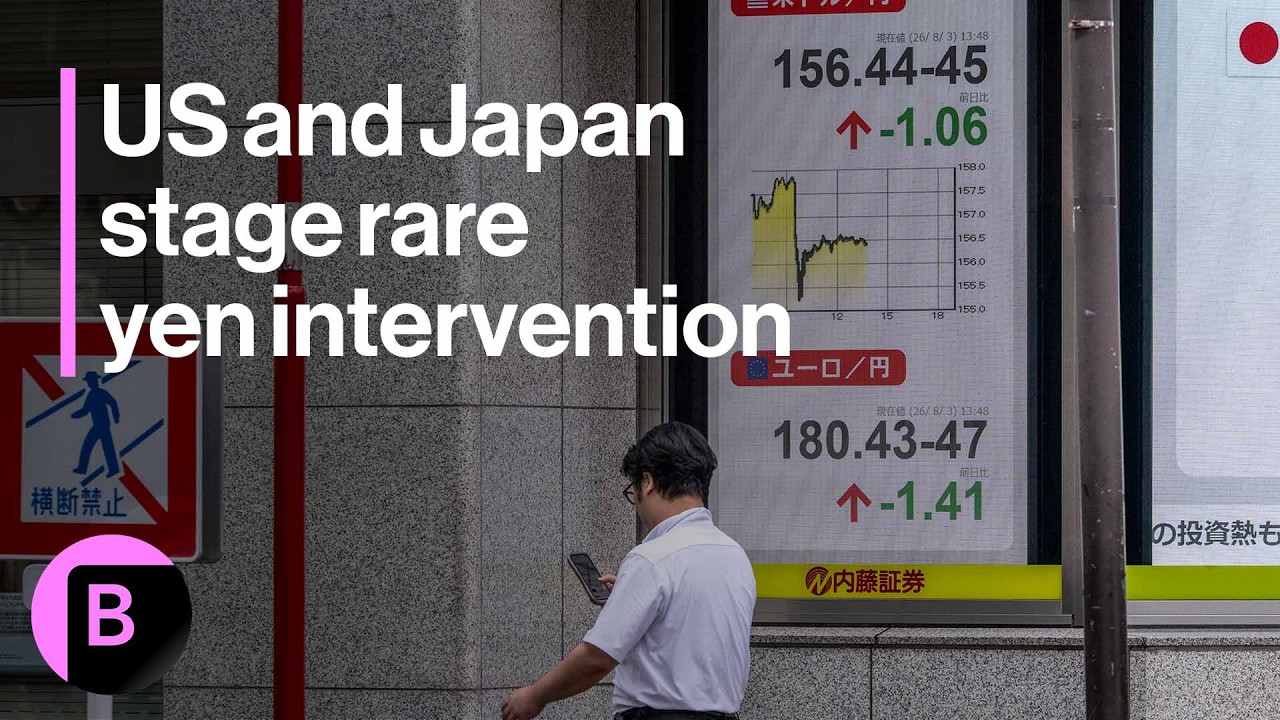
Japan is once again forcing traders to confront a question markets hate most: how far will policymakers go to defend the yen? With yen intervention back in the spotlight, the stakes are bigger than a single currency pair. Every move ripples through import costs, export margins, bond yields, and the Federal Reserve’s own room to maneuver. A weak yen can supercharge Japan’s price pressures and distort global capital flows. A sudden intervention can do the opposite, squeezing carry trades and jolting cross-asset positions that had grown comfortable with one-way momentum. For investors, the danger is not just volatility. It is being on the wrong side of a policy shift that can arrive fast, with little warning, and with real political backing.
- Japan’s currency defense is about more than optics – it can reshape global pricing and capital flows.
yen interventioncan hit leveraged trades first, then spread into equities, bonds, and commodities.- Policy credibility matters as much as the size of the move in the foreign exchange market.
- Traders need to watch yield differentials, not just spot FX headlines.
- The next round of action could signal how far governments are willing to go against market momentum.
Why yen intervention matters now
The yen rarely moves in isolation. When Japan’s currency weakens sharply, it does more than make vacations pricier or imported goods more expensive. It affects the pricing of energy, food, industrial inputs, and overseas revenue. That is why yen intervention has become such a sensitive issue: it sits at the intersection of domestic inflation and global financial stability.
Japan’s policymakers are trying to balance competing priorities. A weaker yen helps exporters by making their products cheaper abroad, but it also raises import costs at home. That tradeoff becomes especially painful when households are already absorbing higher prices. If the currency slides too fast, authorities can decide the market is no longer reflecting fundamentals but speculation. That is when intervention enters the picture.
Markets tend to test policy until policy proves it still has teeth.
That is the central tension here. A currency intervention does not need to reverse the trend permanently to matter. It only needs to change expectations. If traders believe officials are willing to act repeatedly, they may start trimming bets before the next move even happens. That expectation shift can be more powerful than the intervention itself.
How yen intervention works in practice
At its core, intervention is straightforward: authorities buy yen and sell foreign currency, usually dollars, to slow or reverse the yen’s decline. But the mechanics are only part of the story. The real leverage comes from timing, surprise, and scale. If officials move when liquidity is thin, the impact can be amplified. If they signal displeasure but never act, markets may call the bluff.
The signal matters as much as the trade
Foreign exchange is a confidence game. Even the hint of intervention can shake positions because many traders are operating with leverage. When momentum turns, forced unwinds can intensify the move. That is why the announcement effect often travels faster than the actual transaction data.
In practical terms, traders watch for a few indicators:
- Sudden spikes in yen strength during thin trading hours.
- Large, unexplained swings in
USD/JPY. - Official comments that move from concern to warning.
- Changes in Japan’s bond market that suggest policy coordination.
The point is not just whether intervention happens. The point is whether the market believes intervention can happen again, and whether it will be large enough to matter.
The pressure points behind the policy
Japan’s currency problem is not a mystery. It is the product of a persistent yield gap between Japan and the United States, combined with global investors borrowing cheaply in yen to fund higher-yielding assets elsewhere. When U.S. interest rates stay elevated relative to Japan’s, the incentive to sell yen and buy dollars remains strong.
That dynamic creates a brutal policy bind. If Japan raises rates aggressively to support the currency, it risks undermining fragile domestic demand and shaking a debt-heavy economy. If it keeps rates low, the yen can weaken further, raising inflation through imports. Officials are left managing symptoms while the market responds to fundamentals.
Carry trades are the hidden accelerant
One reason yen intervention draws so much attention is the size of the carry trade ecosystem around it. Investors borrow in low-yielding currencies and invest in higher-yielding ones. The yen has long been a favorite funding currency because Japan’s rates were near zero for years. That trade works beautifully until it doesn’t.
When the yen strengthens suddenly, carry trades can unwind quickly. That can trigger a broader risk-off move across equities, emerging markets, and credit. So even though the headline is about a currency, the fallout can spread well beyond FX desks.
What traders and investors should watch next
Anyone trying to navigate the next phase should stop obsessing over a single exchange rate print and start looking at the bigger map. The key questions are about persistence, coordination, and credibility.
- Interest rate differentials: If U.S. yields remain well above Japanese yields, pressure on the yen may continue.
- Policy language: Watch for a sharper tone from Japanese officials. Words often come before action.
- Market liquidity: Intervention is most effective when the market is vulnerable to sharp dislocations.
- Global risk appetite: If investors are already nervous, a currency shock can hit harder.
For companies with exposure to Japan, this is not an abstract macro story. Importers, exporters, airlines, automakers, and consumer brands all feel the consequences. A weaker yen can help Japanese exporters, but it can also make overseas expansion more expensive. A stronger yen can relieve import pressure but compress corporate profits. Either way, treasury teams need to revisit hedging assumptions quickly.
The smartest strategy is not predicting the exact level of the yen. It is preparing for a policy regime that can change faster than the consensus expects.
The bigger global market risk
There is a temptation to treat yen intervention as a local story with a local fix. That is a mistake. Japan remains one of the world’s most important creditor nations, and the yen is still a core funding currency in global portfolios. When Japanese authorities move, the impact can spill into Treasuries, equities, commodities, and emerging market assets.
That spillover risk is exactly why the market reacts so violently to intervention rumors. A fast yen move can force hedge funds to de-risk. It can also pressure algorithms that treat price acceleration as a signal to buy or sell more aggressively. The result is often a feedback loop: policy pressure triggers position unwinds, which create more volatility, which then forces more unwinds.
For central bankers everywhere, that loop matters. A disorderly currency move can complicate inflation forecasts and raise questions about whether other authorities will follow Japan’s lead. If intervention becomes a recurring tool rather than a rare shock, markets may start pricing policy defense into the FX landscape more permanently.
Why this cycle may not end soon
The uncomfortable truth is that intervention can buy time, but it rarely solves the underlying imbalance. If the structural gap in rates remains large, the yen can stay under pressure even after a dramatic move. That means policymakers may face a familiar choice: step in again, accept a weaker currency, or adjust rates in a way that creates domestic pain.
This is where the story becomes strategic rather than tactical. The debate is no longer just about one exchange rate. It is about how long governments can resist market forces when inflation, growth, and credibility all point in different directions. That is why every episode of yen intervention feels bigger than the last. Markets know the script, but they also know the sequel may have a higher budget and a more dangerous ending.
For now, the lesson is simple. When policymakers defend a currency, they are also defending a narrative about control. And in markets, once that narrative cracks, volatility does the rest.
The information provided in this article is for general informational purposes only. While we strive for accuracy, we make no guarantees about the completeness or reliability of the content. Always verify important information through official or multiple sources before making decisions.