Canada Wildfire Smoke Forces Air Quality Warnings
Canada Wildfire Smoke Forces Air Quality Warnings
Canada’s wildfire smoke problem is no longer a seasonal inconvenience. It is now a public-health stress test that can overwhelm cities, strain hospitals, and force people indoors with almost no warning. As climate-fueled fire seasons grow longer and hotter, air quality warnings are becoming the front line of a much bigger crisis: how to protect millions of people when the sky itself turns hazardous. For families, workers, schools, and local governments, the challenge is not just knowing the air is bad. It is deciding what to do next, fast, and with limited information. The spread of smoke across provinces also exposes a deeper gap in preparedness, from ventilation systems to emergency messaging to the ability of communities to adapt before the next plume arrives.
- Wildfire smoke is driving air quality warnings deeper into daily life, not just emergency planning.
- Public health response now depends on better forecasting, cleaner indoor air, and faster communication.
- Smoke exposure is a long-tail risk for schools, workplaces, and vulnerable people with respiratory conditions.
- Canada’s fire season shows why climate resilience is becoming an infrastructure issue, not only an environmental one.
Air quality warnings are becoming a new normal
For years, air quality warnings were treated as short-lived alerts, the kind of notice people checked and then forgot. That logic is breaking down. Wildfire smoke can travel hundreds or even thousands of kilometers, drifting well beyond the fire line and turning clear-looking days into dangerous ones. The result is a public-health challenge that behaves more like a network outage than a traditional weather event: it spreads fast, hits unevenly, and punishes the people least able to respond.
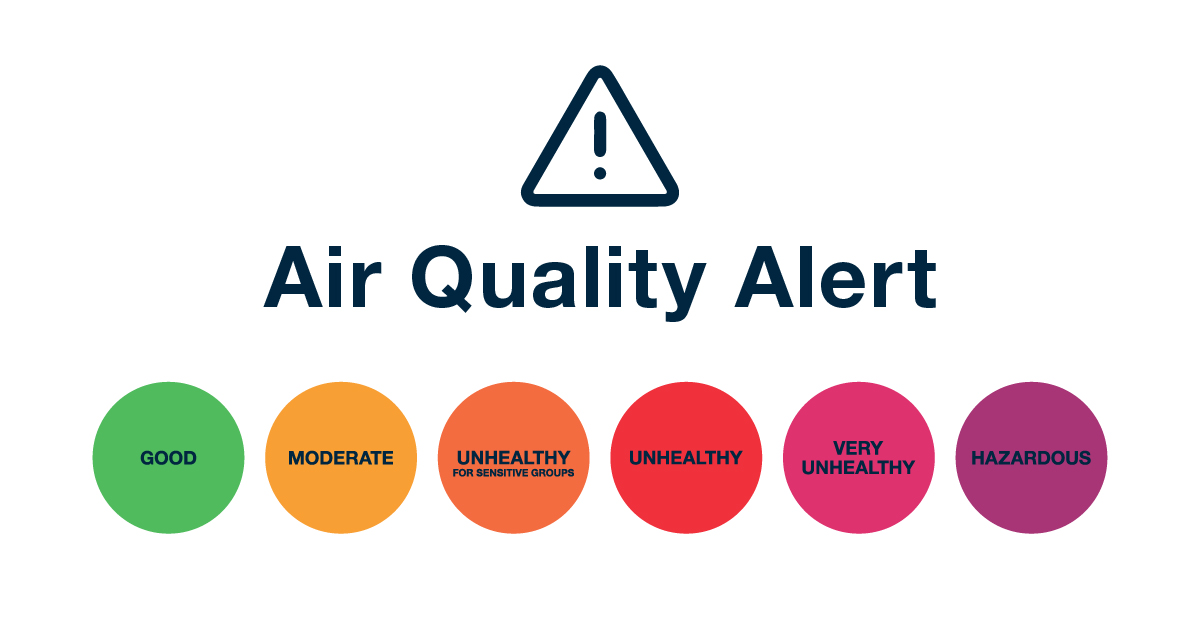
What makes this especially difficult is that smoke is often invisible at street level until symptoms show up. By then, the damage is already underway. Eye irritation, headaches, throat pain, and aggravated asthma are the mild end of the spectrum. For older adults, children, pregnant people, and those with heart or lung disease, the risks can escalate quickly. That is why the language of air quality warnings matters so much. It is not just an advisory. It is a trigger for behavior change.
Smoke events are increasingly a systems problem: forecasting, indoor air quality, emergency communication, and healthcare readiness all have to work at once.
Why wildfire smoke is harder to manage than heat
Heat waves are visible and intuitively dangerous. Smoke is different. It can seep indoors through cracks, vents, and poorly filtered HVAC systems. It can linger for days after winds shift. And it can hit communities that are not on the fire map at all. That makes wildfire smoke uniquely disruptive, especially in dense urban areas where many people assume they are far from the fire line and therefore safe.
There is also a measurement problem. Air quality readings can vary block by block, and official indexes may not fully capture how bad the air feels for sensitive individuals. The average resident wants a simple answer: should I go outside, keep the windows shut, cancel practice, or commute to work? But the real answer depends on the PM2.5 concentration, building ventilation, duration of exposure, and personal health risk. In practice, that means a single warning system has to serve an entire population with wildly different needs.
The hidden cost of breathing bad air
The short-term symptoms are obvious, but the longer-term effects are what make repeated smoke seasons alarming. Frequent exposure to fine particulate matter can worsen cardiovascular and respiratory conditions and may contribute to broader health burdens over time. For employers, schools, and healthcare systems, this can show up as higher absenteeism, reduced productivity, and more urgent care visits during smoke events.
There is an economic angle here too. Lost outdoor activity, delayed construction, disrupted transit, and canceled events all carry real costs. Once smoke becomes recurring, it stops being a one-off environmental shock and starts acting like a drag on local economies. Cities that can measure and respond quickly will have an edge. Those that cannot will spend more time reacting than adapting.
Why air quality warnings need better indoor defenses
The simplest survival strategy during smoke is also the least glamorous: make indoor air cleaner. That means closing windows, using high-efficiency filtration, and creating clean-air rooms in homes, schools, and community centers. It sounds basic, but the gap between a good plan and a bad one can be enormous.
Pro tip: if a building cannot keep smoke out, it effectively fails as a shelter. Upgrading filters, sealing leaks, and maintaining ventilation systems should be treated as resilience work, not optional maintenance.
- Use
HEPAfiltration in rooms where people spend the most time. - Check
HVACsystems before fire season, not during it. - Keep a small supply of
N95masks for high-smoke days and outdoor transit. - Watch
PM2.5readings, not just visibility or smell. - Plan for clean-air spaces in schools, libraries, and community centers.
These steps are not high-tech, but they are high impact. The challenge is scale. Many older buildings were never designed for repeated smoke infiltration. Apartment residents may not control their own ventilation. Schools and nursing homes often face budget constraints that make preventative upgrades difficult. That is why air quality planning now has to include building policy, not just public alerts.
Canada’s wildfire smoke problem is a climate story
The rise of wildfire smoke across Canada is part of a broader climate pattern: hotter summers, drier landscapes, more extreme fire behavior, and longer burn seasons. That does not mean every fire is directly caused by climate change. It does mean the conditions that allow fires to spread and smoke to travel are becoming more favorable. This is the part policymakers cannot afford to hand-wave away.
Climate adaptation often gets framed as a long-term infrastructure project, but smoke changes the stakes because the harm is immediate and visible. People do not need a report to know the air is bad. They feel it. That immediacy makes smoke a powerful political signal. Residents want answers now: better warnings, better support, and better protection for those who cannot simply stay indoors.
The next phase of resilience is not only about stopping fires. It is about making communities breathable when the fires are already burning.
What governments should be doing next
Governments can no longer rely on generic advisories and hope for compliance. They need layered response plans that account for vulnerable populations, school operations, worker safety, and public transit. That includes earlier alerts, clearer thresholds, and more local guidance so people know when to change their behavior.
There is also a need for more targeted support. Low-income households are less likely to have air conditioning, upgraded filters, or the flexibility to stay home from work. Public policy should reflect that reality. If smoke events are now recurring, then subsidies for filtration, emergency clean-air shelters, and resilience upgrades should be considered essential infrastructure spending.
How people can respond when warnings arrive
The best response to a smoke event is to act before symptoms show up. That means checking the air quality index early in the day, closing windows if conditions worsen, limiting outdoor exercise, and protecting indoor air as aggressively as possible. For people with asthma or heart disease, it means keeping medication accessible and knowing when to seek medical help.
There is no perfect household setup, but there are practical steps that meaningfully reduce risk:
- Run an air purifier continuously in the room you use most.
- Use a window or door seal if smoke is entering the home.
- Avoid creating additional indoor pollution from candles, frying, or smoking.
- Postpone outdoor workouts when
PM2.5rises. - Have a contingency plan for children, pets, and elderly relatives.
These are small acts of adaptation, but collectively they matter. Smoke events reward preparation and punish complacency. The more routine this becomes, the more households need to treat air quality like they treat power or water: a utility they cannot always control, but must be ready to manage.
The bigger lesson for cities and businesses
Canada’s smoke crisis is a preview of what many regions may face more often. That should concern mayors, employers, and facility managers as much as health officials. If you run a school, warehouse, office, or retail space, your ventilation strategy is now part of your risk profile. If your employees work outdoors, your duty of care has to include smoke thresholds, mask access, and flexible scheduling.
Businesses that ignore this will pay for it later in absenteeism, lower morale, and reputational damage. Cities that fail to build clean-air infrastructure will face a different kind of emergency every fire season. The smartest organizations will start by mapping vulnerability: who needs protection first, which buildings are most exposed, and what can be done before the next warning lands.
The hard truth is that air quality warnings are no longer exceptional. They are becoming part of the operating environment. That shift demands better forecasting, stronger public guidance, and a more serious investment in indoor air. Because once smoke becomes a recurring feature of life, resilience is no longer a nice-to-have. It is the baseline.
The information provided in this article is for general informational purposes only. While we strive for accuracy, we make no guarantees about the completeness or reliability of the content. Always verify important information through official or multiple sources before making decisions.