Colorado Wild Horses Face Federal Roundup Push
Colorado Wild Horses Face Federal Roundup Push
Colorado wild horses are once again at the center of a fight that is as much about policy as it is about identity. For ranchers, land managers, and animal advocates, the stakes are immediate: grazing pressure, fragile rangelands, and the question of who gets to decide what belongs on public land. For everyone else, this is a window into a recurring American dilemma: when government tries to balance ecology, economics, and symbolism, someone almost always feels erased. The latest federal roundup plan puts that tension in sharp relief, and it is forcing a conversation that has been avoided for years. If you care about public land management, wildlife policy, or the future of the West, the Colorado wild horses roundup debate is not a side issue. It is the system showing its seams.
- Colorado wild horses are at the center of a long-running conflict over federal land management.
- The roundup debate blends animal welfare, ranching economics, and ecosystem health.
- Federal decisions on population control can reshape public trust in land agencies.
- The outcome could influence how other western states handle free-roaming horse herds.
The Colorado wild horses roundup problem is bigger than one herd
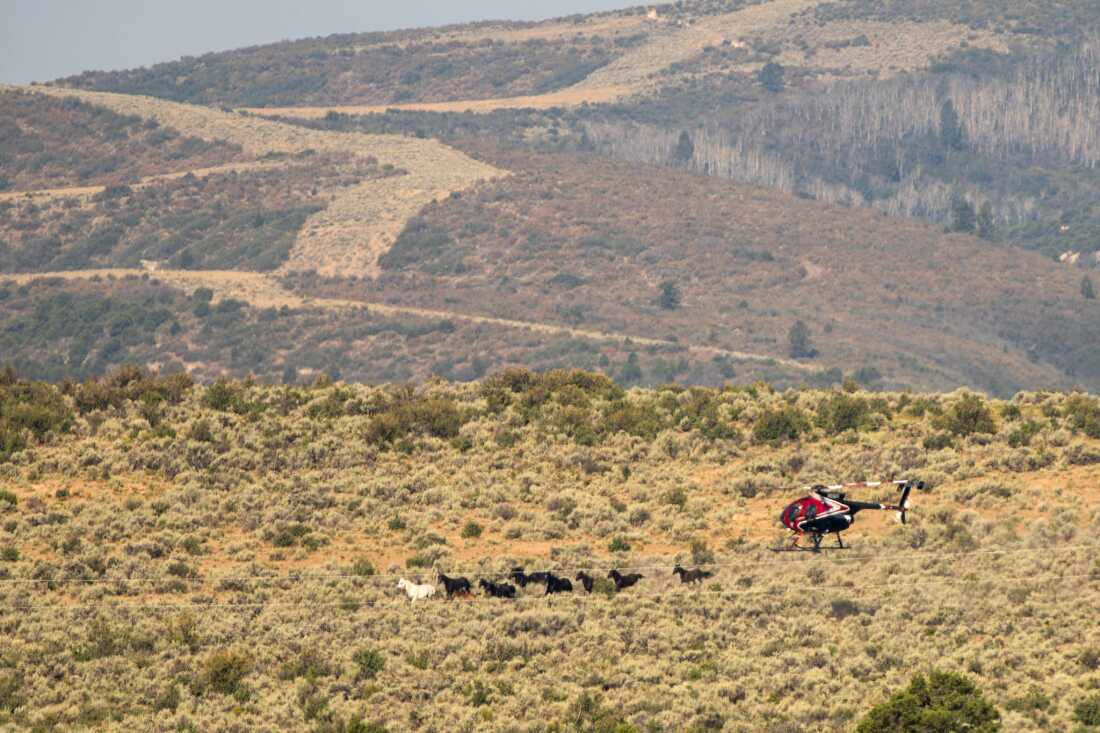
The phrase Colorado wild horses roundup sounds like a local issue, but it sits inside a much larger federal policy machine. Herds roaming public rangelands are managed under a framework that tries to keep populations below what agencies call a sustainable level. That sounds tidy on paper. On the ground, it often means helicopters, temporary holding facilities, and bitter disputes over whether the government is protecting land or simply choosing which species gets priority.
That conflict has hardened over time because every side has evidence that feels undeniable. Ranchers point to overgrazed terrain and competition for water. Advocates point to stress, injury, and the long shadow of capture and confinement. Land managers are left defending decisions that are almost impossible to make look fair. The result is a policy environment where no solution is clean, and every option comes with a moral cost.
Why the federal roundup keeps coming back
At the heart of the issue is a blunt reality: public rangelands are not infinite, and neither is tolerance for unmanaged growth. When horse populations rise faster than the land can support, agencies often respond with roundups to reduce numbers quickly. The logic is utilitarian. Protect the range now, avoid larger ecological damage later, and try to reset the system before it tips further.
But that logic has a glaring weakness. Roundups solve the immediate math without solving the broader policy model. If adoption rates lag, if birth control programs are underfunded, or if habitat pressures continue across multiple uses of the land, the same crisis returns. That is why the Colorado wild horses roundup debate never really ends. It is a recurring patch on a structural problem.
The real controversy is not whether action is needed. It is whether the federal government is relying too heavily on removal because the harder long-term tools are slower, costlier, and politically riskier.
What agencies usually try first
Before helicopters show up, agencies often rely on a mix of population monitoring, fertility control, and range assessments. In theory, that is the smarter path. In practice, it demands time, money, and continuity, three things public land policy rarely gets in abundance. Without those, roundup becomes the default instrument because it is visible, immediate, and measurable.
That visibility is part of the problem. A roundup is easy to explain in bureaucratic terms, but difficult to defend emotionally. It creates dramatic images, which can harden public opposition even when land managers insist they are acting out of necessity. The optics are almost always bad, and in the age of instant video, optics matter.
Why this matters for the West
The Colorado wild horses roundup fight is not just about horses. It is about how the West is governed. Public lands carry competing mandates: conservation, grazing, recreation, energy development, tribal interests, and wildlife stewardship. Horses sit awkwardly inside that framework because they are iconic, politically loaded, and not truly wild in the ecological sense that many people assume. They are feral descendants of domestic animals, which makes their legal and symbolic status unusually messy.
That mess matters because policy precedent tends to travel. If a federal agency tightens control in Colorado, other states may follow with similar actions. If public backlash forces a softer approach, that too becomes a template. Either way, this is a test case for how much friction the public will tolerate when management decisions collide with values like compassion, heritage, and environmental restraint.
The economics behind the headlines
There is also a hard budget story here. Roundups are expensive. Holding facilities are expensive. Long-term care for removed horses can become an open-ended liability. Meanwhile, non-lethal population controls require staffing, recurring treatment, and monitoring across broad terrain. The government is not choosing between expensive and cheap. It is choosing between different forms of expensive, each with different political consequences.
That cost structure explains why these disputes drag on. Agencies are often asked to solve a systems problem with a tactical tool, then criticized when the tool produces new problems. The public sees a cruelty issue. Managers see a balancing act. Lawmakers see a budget line. None of those viewpoints is wrong, which is exactly why the conflict is so durable.
The Colorado wild horses roundup debate and animal welfare
Any roundup discussion has to reckon with animal welfare directly, not as an afterthought. Horses can be injured during capture. Foals can be separated from mares. Stress levels can spike. Those concerns are not abstract; they are the reason the issue ignites such strong public reaction. Even people who accept the need for herd control often recoil at the methods used to carry it out.
That tension puts agencies in a difficult position. They must prove that a roundup is necessary while also showing that it will be conducted as humanely as possible. The more transparent the process, the more visible the tradeoffs become. The less transparent it is, the more trust erodes. There is no perfect communications strategy for that kind of policy. There is only credibility, and credibility is easy to lose.
Public trust is the real scarce resource here. Once people believe the government is managing a symbol instead of a living ecosystem, every next decision gets harder.
Could better technology reduce the need for roundups?
This is where the conversation gets more interesting. The federal government has more tools than it used to, even if it does not always deploy them consistently. Fertility control, drone-assisted monitoring, improved mapping, and data-driven range assessments can all reduce the need for emergency removals. None of these tools is magic. All of them require coordination. But together they point toward a more modern, less reactive model of herd management.
Here is the catch: technology helps only if policy is willing to be slower, more patient, and more predictable. That is a difficult sell in a political environment that rewards decisive action over iterative stewardship. Still, the technology case is strong. Better data can tell managers where pressure is building before the land starts to fail. Better tracking can reduce guesswork. Better planning can keep the issue from becoming a crisis every few years.
Pro tips for understanding future policy moves
- Watch population targets closely: they reveal how aggressively agencies intend to intervene.
- Track fertility-control funding: if it rises, the government may be trying to shift away from removals.
- Pay attention to holding capacity: when facilities fill up, roundup pressure often increases.
- Follow land-health reporting: agencies usually justify action with range condition data.
- Look for public comment windows: they often signal whether policy is moving toward escalation or compromise.
What the Colorado wild horses roundup could signal next
The most important thing about this story is not the immediate roundup itself. It is what it signals about the future of public land governance. If the federal government keeps leaning on removals, it suggests a system still built around crisis response. If it broadens its use of fertility control, habitat monitoring, and longer planning horizons, then this could mark a slow but real shift toward prevention.
That choice will shape more than horse numbers. It will affect public confidence in whether land agencies can manage contested resources without defaulting to the most visible, most disruptive option. It will also influence how Americans think about stewardship. Are wild horses a problem to be minimized, a heritage to be protected, or a living reminder that the West remains contested ground? The answer may be some uneasy combination of all three.
A policy test with national implications
The Colorado wild horses roundup debate matters because it exposes a basic truth about government: the hardest decisions are often the ones where every option is flawed. Capture too many horses and you invite accusations of cruelty. Leave numbers unchecked and you risk long-term damage to the land. Delay action and the problem worsens. Move too fast and trust collapses.
That is why this story resonates beyond Colorado. It is not just a wildlife management issue. It is a stress test for how federal agencies handle emotionally charged public resources in a time when nearly every decision is scrutinized instantly and judged harshly. The outcome will not settle the debate for good. But it will tell us whether policymakers are prepared to move beyond symbolic firefighting and toward a more durable model of stewardship.
For now, the horse roundup question remains a brutal reminder that public land policy is never just about land. It is about power, memory, economics, and what kind of future we are willing to fund.
The information provided in this article is for general informational purposes only. While we strive for accuracy, we make no guarantees about the completeness or reliability of the content. Always verify important information through official or multiple sources before making decisions.