Cruise Hantavirus Scare Exposes a Floating Health Risk
Cruise Hantavirus Scare Exposes a Floating Health Risk
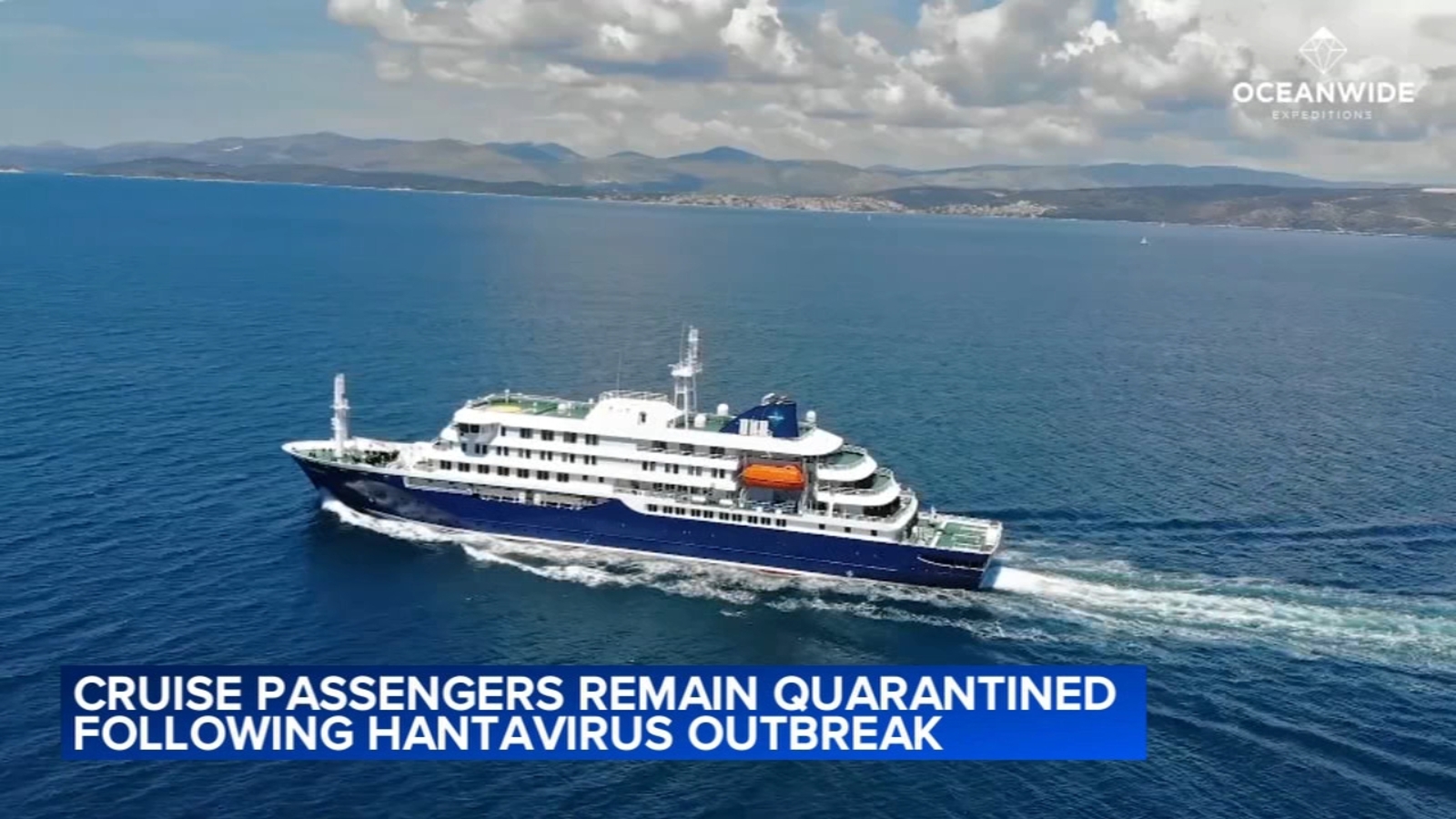
Three passenger deaths tied to a suspected hantavirus outbreak on a cruise ship are the kind of headline the travel industry dreads – and the kind public health officials cannot afford to dismiss as an isolated anomaly. Cruise lines have spent years refining their response to highly visible threats like norovirus and Covid-19, but a suspected hantavirus event changes the conversation. This is not just about sanitation optics or customer reassurance. It is about how a tightly enclosed, highly mobile environment handles a pathogen that is less familiar to the public, potentially harder to spot early, and capable of triggering fear far beyond the ship itself. For travelers, operators, and health authorities, the incident exposes a blunt reality: modern cruise health planning may still have blind spots where uncommon but severe infectious risks are concerned.
- Three deaths linked to a suspected cruise hantavirus outbreak have put rare infectious disease risk under a harsh spotlight.
- The incident matters because cruise ships are closed environments where delayed detection can magnify both medical and reputational damage.
- Unlike more familiar onboard illnesses,
hantavirusraises difficult questions about source tracing, containment, and passenger communication. - Cruise operators now face pressure to prove that outbreak preparedness goes beyond routine cleaning and symptom checks.
Why the suspected cruise hantavirus outbreak feels different
Most cruise-related health scares follow a familiar script. A cluster of gastrointestinal symptoms appears. Sanitization ramps up. Passengers complain. The operator issues an update, and the story becomes a test of crisis communications as much as infection control. A suspected cruise hantavirus outbreak does not fit that pattern neatly.
Hantavirus is not a household travel term in the way influenza, Covid-19, or norovirus are. That matters. When the pathogen is unfamiliar, the uncertainty itself becomes part of the crisis. Travelers do not know what symptoms to watch for. Investors and operators do not know how long the story will dominate headlines. Public health authorities must balance caution with incomplete information, especially when deaths are already involved.
The biggest risk in an event like this is not only the pathogen. It is the lag between suspicion, confirmation, and coordinated action.
That lag can shape everything that follows: patient outcomes, quarantine decisions, media scrutiny, and the public’s trust in the cruise line’s response.
What makes hantavirus especially alarming in a travel setting
Hantavirus infections are often associated with exposure to infected rodent urine, droppings, or saliva, typically in aerosolized form. That immediately raises a separate class of questions from standard onboard outbreaks. If officials suspect hantavirus, investigators are not just asking who ate what or which shared surface went uncleaned. They are asking whether there was any environmental exposure point, whether supplies or storage areas were compromised, whether passengers encountered contaminated spaces before embarkation, and whether the ship itself was the source at all.
This distinction is crucial because causation in a cruise setting can be messy. Passengers arrive from different regions, spend time in ports, airports, hotels, and transfer terminals, then move through a vessel that is engineered for dense social interaction. By the time severe symptoms emerge, the transmission trail may span multiple jurisdictions and timelines.
Why diagnosis can be difficult early
Rare infectious diseases often present an operational challenge: early symptoms may resemble more common illnesses. Fatigue, fever, muscle aches, or respiratory distress can initially look like other viral or bacterial conditions. In a shipboard medical center already primed to watch for familiar travel illnesses, a rare diagnosis may not be the first assumption.
That is not necessarily a failure. It is a reflection of how clinical probability works in the real world. But on a cruise, even a short delay in recognizing an unusual pattern can change the scale of the emergency.
Why severe outcomes escalate public concern fast
Three deaths instantly push the event out of the category of routine operational disruption. At that point, the issue is no longer whether the cruise experience was inconvenienced. It becomes a matter of life, liability, and system readiness. The reputational math changes as well. Consumers may forgive a spoiled vacation. They are much less forgiving when a voyage becomes linked to fatal disease exposure.
The cruise industry’s preparedness problem
The modern cruise business sells control. Controlled itineraries, controlled environments, controlled luxury, controlled risk. But infectious disease does not respect branding. The suspected cruise hantavirus outbreak highlights a structural weakness in the industry’s health narrative: preparedness is often judged by visible hygiene theater rather than by resilience against low-probability, high-severity events.
There is a big difference between being ready for common outbreaks and being ready for unusual ones. Many operators now have mature playbooks for respiratory and gastrointestinal incidents. Those playbooks may include:
- enhanced cleaning protocols
- isolation procedures for symptomatic guests
- contact tracing workflows
- coordination with port and national health authorities
- public messaging templates
But suspected hantavirus exposure tests a more specialized layer of readiness. It asks whether environmental surveillance, supply-chain inspection, pest-control discipline, medical escalation, and forensic epidemiology are integrated well enough to move quickly under pressure.
If cruise operators want to claim world-class safety, they need plans for the rare crisis, not just the predictable one.
How a suspected cruise hantavirus outbreak should be handled
This is where strategy matters more than slogans. The right response is not simply to sanitize harder or reassure louder. It is to build a structured, evidence-driven incident model.
1. Lock down the facts before the rumor cycle wins
When fatalities are reported, information gaps fill themselves. Usually with speculation. Operators and health agencies need a disciplined public update rhythm that states what is known, what is suspected, what is being tested, and what passengers should do next. Overpromising certainty too early can be disastrous if the diagnosis changes.
2. Treat environmental tracing as central, not secondary
With a suspected hantavirus event, the environment is not background noise. It is part of the investigation. Storage zones, food provisioning areas, waste handling spaces, crew quarters, maintenance sections, and port-side logistics chains all become relevant. A cruise ship is a layered ecosystem, and any weak point in environmental controls can become a crisis multiplier.
3. Expand medical triage beyond common-cruise assumptions
Shipboard clinicians and emergency planners should be equipped to escalate atypical clusters faster, especially when severe respiratory or systemic symptoms appear. That means response frameworks cannot rely solely on the most statistically common causes. Rare disease triggers should exist within the onboard decision tree.
4. Coordinate across borders without waiting for perfect clarity
Cruises are inherently multinational operations. The ship flag, the company headquarters, embarkation ports, disembarkation ports, and passenger home countries may all differ. In that environment, delay is easy. So is jurisdictional confusion. The better model is parallel coordination: notify, test, isolate, investigate, and communicate simultaneously, rather than sequentially.
Why this matters beyond one ship
It would be a mistake to see this as a freak story relevant only to one vessel or one sailing. The larger issue is how travel systems manage edge-case biological risk. Global tourism has returned with scale and speed, but health security remains uneven across the chain. Airports, ports, hotels, buses, warehouses, and ships all connect. A weakness at any point can surface somewhere else entirely.
For the cruise sector, this incident may become another inflection point like earlier outbreaks that forced redesigns in ventilation policy, isolation practices, and onboard medical protocols. The difference is that a suspected hantavirus scenario points to risks that are less visible to passengers and harder to neutralize with customer-facing cleanliness campaigns.
That is the strategic warning here: not every outbreak can be managed as a public relations event with extra disinfectant and a future-voyage credit.
What travelers should watch for now
Passengers do not need to panic, but they do need to take outbreak reporting seriously, especially when severe illness is involved. Anyone who was recently on an affected voyage or shared related travel routes should pay attention to official health guidance and monitor symptoms closely. The practical priority is speed: unusual fever, respiratory distress, or rapidly worsening illness after travel should prompt medical attention, with recent cruise history disclosed immediately.
Travelers should also rethink how they evaluate cruise safety. Loyalty programs, cabin upgrades, and glossy destination marketing are easy to compare. Health infrastructure is not. But it should be. Questions worth considering include the quality of onboard medical capabilities, transparency during prior incidents, and the operator’s record on sanitation, inspection, and emergency response.
Pro tip for cruise passengers
Before sailing, save the cruise line’s emergency contact channels, review any onboard health reporting process, and keep a basic digital record of your itinerary, cabin number, and excursions. In a public health incident, organized information can help both you and investigators move faster.
The business fallout could be significant
There is also a hard commercial reality. Health events on cruise ships do not stay confined to medicine. They spill into bookings, insurance disputes, legal claims, regulatory scrutiny, and investor confidence. A suspected fatal outbreak can trigger weeks or months of operational drag, even before the science is settled.
For cruise executives, that means outbreak preparedness is no longer just a compliance issue. It is a core business defense. The companies that treat health security as part of product quality will likely recover faster than those that default to defensive messaging and procedural vagueness.
Travel brands are increasingly judged not by whether a crisis happens, but by whether their systems look credible when it does.
The next phase depends on evidence
Right now, the most important word is suspected. That qualifier matters. Investigations can confirm, narrow, or overturn early assumptions. But the seriousness of the response should not wait for perfect certainty when deaths are involved. That is the uncomfortable balance in outbreak management: act decisively without pretending to know more than the evidence supports.
If the suspected cruise hantavirus outbreak is confirmed, expect a broader review of cruise environmental controls, medical escalation procedures, and cross-border reporting mechanisms. If it is not confirmed, the episode will still have exposed something important: the cruise industry remains vulnerable when an uncommon pathogen collides with a high-density leisure environment built on the promise of safety and escape.
And that may be the real lesson. The next major travel health crisis may not look like the last one. Operators that understand that now will be far better positioned than those still fighting the previous battle.
The information provided in this article is for general informational purposes only. While we strive for accuracy, we make no guarantees about the completeness or reliability of the content. Always verify important information through official or multiple sources before making decisions.