Cuba Bets On Russian Oil Lifeline As Energy Map Tilts
Cuba Bets On Russian Oil Lifeline As Energy Map Tilts
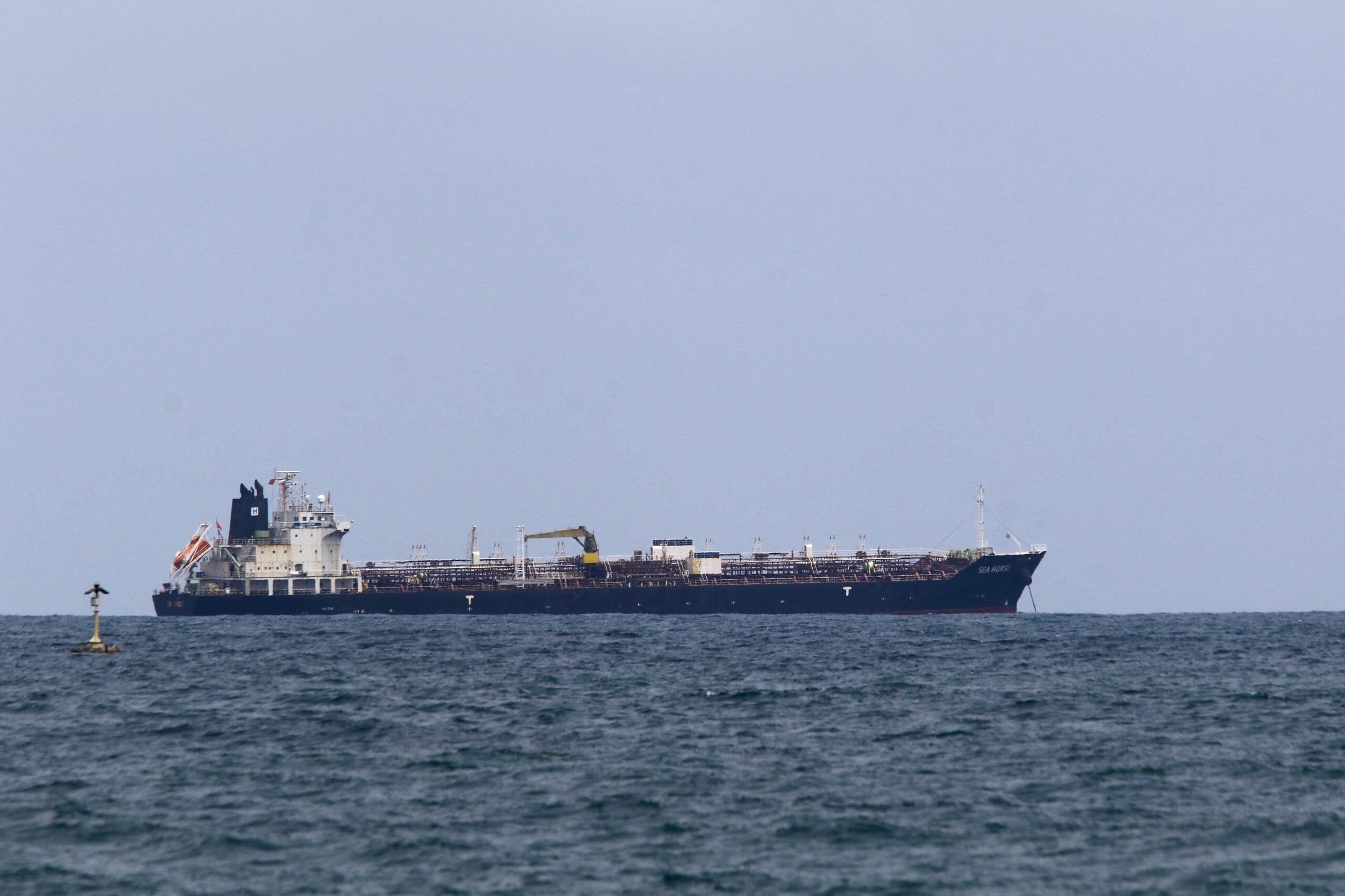
Cuba just welcomed a rare Russian oil tanker into Havana Harbor, a high-stakes maneuver that signals how urgently Havana needs fuel and how Moscow is testing Western resolve. The arrival of the Cuba Russian oil tanker is more than a logistics blip: it is a stress test on sanctions, a barometer for Caribbean energy security, and a preview of how mid-sized powers will barter influence when barrels become bargaining chips. For Cubans battling rolling blackouts and rationed transport, the shipment could mean flickering lights stay on. For Washington and Brussels, it raises questions about enforcement gaps and the next chapter of great-power energy chess. The shipment exposes the fragility of island grids, the gray zones of maritime tracking, and the geopolitical price of keeping refrigerators cold.
- Moscow uses fuel deliveries as soft-power currency while probing sanctions tolerance.
- Havana bets Russian crude can stabilize its fragile grid and ease public frustration.
- Caribbean shipping lanes face tighter scrutiny as AIS dark voyages become a norm.
- Sanctions loopholes and price caps may be stress-tested by blended cargo strategies.
Why This Shipment Matters Now
Energy has become the ultimate pressure point for Cuba, where fuel shortfalls ripple into food distribution, public transit, and hospital uptime. The Russian cargo arrives as global crude markets remain volatile and as secondary sanctions reshape trade routes. Moscow, flush with discounted crude seeking buyers, views Havana as both a symbolic ally and a convenient outlet. The shipment therefore plays double duty: it shores up a partner and signals to Washington that Russia can still move barrels beyond its immediate sphere.
Grid Stress And Social Stability
Cuba’s grid reliability hinges on steady diesel and fuel oil supplies for its aging thermal plants. Even a single cargo can forestall hours of daily outages, making the Cuba Russian oil tanker a political instrument as much as an economic one. Persistent blackouts have historically triggered street protests; easing them, even temporarily, buys Havana breathing room.
Sanctions, Price Caps, And Compliance Risks
The shipment tests the enforcement muscle of Western price caps on Russian crude. If the cargo used non-Western insurance, shadow fleet vessels, or ship-to-ship transfers, it may skirt the compliance perimeter. Regulators must decide whether to chase every barrel or prioritize chokepoints such as insurance certification, IMO registration, and port state control.
Maritime Transparency Versus Shadow Tactics
Automatic Identification System AIS gaps are now standard in the shadow fleet playbook. If the tanker went dark near the Strait of Gibraltar or in the mid-Atlantic, it underscores how easily vessels can blend cargoes or mask origin. Expect more satellite surveillance, tighter bunkering audits, and sharper scrutiny of draft changes in Caribbean anchorages.
How Moscow Uses Energy As Currency
Russia’s energy diplomacy has shifted from premium markets to political trades. With traditional buyers reducing exposure, Moscow has leaned on oil-for-influence deals, discounted barrels, and flexible payment terms. Cuba, strapped for hard currency, likely negotiated credit arrangements or barter components involving medical services or port access. This is energy statecraft, not just commodity trade.
Discount Dynamics And Blended Cargo
To evade caps, Russian sellers often blend crude with non-sanctioned grades, reflag ships, or reroute through intermediaries. Tracking API gravity and sulfur content at discharge can reveal blend ratios, but port labs may lack resources. Each successful delivery encourages more creative logistics, raising the stakes for enforcement bodies.
Insurance And Reflagging Risks
Western insurers now demand attestations that cargoes were sold below the price cap. Shadow fleet owners dodge this by using non-Western clubs or moving vessels into flags of convenience. Port authorities in the Caribbean, facing budget constraints, may struggle to verify paperwork, creating an enforcement asymmetry that Moscow exploits.
What Cuba Gains And Risks
The immediate gain is fuel for power plants and transport. The broader win is diversification away from Venezuelan reliance, which has been unreliable due to Caracas’s own production woes. Yet Cuba assumes risks: overreliance on Russian supplies exposes Havana to geopolitical whiplash, and any spill or accident could trigger costly cleanup in tourism-centric coastlines.
Short-Term Relief
Every delivered barrel helps stabilize generation at plants like Mariel and Antonio Guiteras. Short-term relief could lower inflationary pressures caused by supply chain interruptions. Public sentiment often tracks blackout frequency; fewer outages bolster government legitimacy.
Medium-Term Debt And Dependence
Deferred payment terms can balloon into opaque debt. Cuba already carries substantial obligations to multiple creditors, and adding Russian fuel tabs compounds fiscal strain. Dependency on one supplier also weakens Havana’s leverage in price negotiations.
Environmental And Safety Oversight
Older tankers in the shadow fleet may have questionable maintenance records. A spill near Havana Bay would imperil fisheries and tourism, and cleanup gear is limited. Ensuring that vessels meet MARPOL and SOLAS standards requires inspections that local port states may not be resourced to conduct.
Regional Ripple Effects
The Caribbean energy map is fragmented. Island grids depend on imported fuel, and any perceived opening for discounted Russian barrels could entice other nations facing budget stress. That complicates U.S. diplomacy and could pressure regional refining hubs in the Gulf Coast if price caps are undermined.
Pressure On Caribbean Neighbors
States like Jamaica or the Dominican Republic may weigh cost savings against reputational risk. Acceptance of Russian cargoes could trigger secondary sanctions, affecting banking access and tourism flows. The calculus becomes a trade-off between near-term utility costs and long-term financial stability.
U.S. Policy Dilemmas
Washington must balance humanitarian considerations with enforcement. Aggressive interdiction could exacerbate Cuban shortages and fuel migration pressures, while leniency might embolden wider sanctions erosion. Expect targeted measures: monitoring insurance attestations, sanctioning specific vessel owners, and coordinating with Panama Canal authorities on transit oversight.
Implications For Global Shipping
The more shadow fleet activity migrates to the Atlantic and Caribbean, the more insurers and charterers will price in risk premiums. That could raise freight rates for compliant shippers, indirectly inflating costs for unrelated goods. Surveillance firms offering SAR and RF tracking will see demand spike.
Pro Tips For Monitoring Future Cargoes
Energy analysts and compliance teams can adopt a few tactical approaches to stay ahead of the next Cuba Russian oil tanker arrival.
Follow Draft Changes And STS Coordinates
Sudden draft shifts often indicate ship-to-ship transfers. Monitoring typical rendezvous points near Ceuta, Kalamata, or off Malta can reveal blending activity before vessels cross the Atlantic.
Correlate AIS Gaps With Satellite Passes
Pair AIS data with synthetic aperture radar to flag dark voyages. If a vessel reappears with altered course or speed profiles, assume potential cargo manipulation.
Audit Insurance Attestations
Request full chains of attestation, not just letters from insurers. Cross-check hull numbers and ownership registries to spot reflagging patterns. If documentation deviates from standard IMO formats, escalate for secondary review.
Track Refinery Inputs
Downstream, analyze sulfur content in refined products exported from Cuba. Spikes may suggest high-sulfur Russian blends, offering another data point for origin inference.
Future Outlook: Energy As Leverage
This shipment hints at a future where energy routes redraw geopolitical influence. As more countries juggle energy security with sanction compliance, expect creative barter deals, more ruble or yuan-denominated contracts, and expanded use of shadow fleets.
Tech-Driven Transparency
Emerging ML models that fuse AIS, weather, and satellite data will make it harder for tankers to hide. Open registries and whistleblower incentives could tighten the net, but only if regulators invest in analytics capacity.
Alternative Fuels And Grid Resilience
Cuba could reduce exposure by accelerating solar and battery deployments. Distributed storage can shave peak load and lessen the political leverage of diesel shortages. Yet financing remains the choke point; multilateral lenders may hesitate while sanctions risk persists.
Diplomatic Trade-Ins
Moscow may leverage continued deliveries for diplomatic concessions, from port calls to intelligence cooperation. Havana must decide how much sovereignty to trade for fuel stability. Conversely, Washington could offer calibrated relief or LNG swaps to offset Russian influence.
Why This Matters
Energy routes have become fault lines of modern geopolitics. The Cuba Russian oil tanker episode is a live case study in how commodity flows test sanctions, reshape alliances, and impact everyday citizens. It shows that enforcement is only as strong as the weakest port inspection and that geopolitical narratives are now written in draft readings and insurance clauses.
For Cuba, the shipment is oxygen for a strained grid. For Russia, it is proof that oil still buys friends. For the Caribbean, it is a warning that energy security must be diversified before shadow fleets rewrite the rules.
The information provided in this article is for general informational purposes only. While we strive for accuracy, we make no guarantees about the completeness or reliability of the content. Always verify important information through official or multiple sources before making decisions.