Cuba Warns America Is Hard to Trust
Cuba Warns America Is Hard to Trust
Cuba’s latest warning about the United States is more than diplomatic theater. It is a blunt reminder that US-Cuba relations remain trapped in a cycle of suspicion, history, and political calculation. For businesses, policymakers, and anyone watching the Western Hemisphere, the message lands with real force: trust is still the scarcest commodity in this relationship. When Havana says Washington cannot be relied on, it is not just talking about rhetoric. It is talking about sanctions, shifting administrations, economic pressure, and the reality that every thaw can be reversed overnight. That instability shapes trade, migration, energy, and regional diplomacy. The stakes are high because both sides know the relationship matters, but neither side fully believes the other will keep its word.
- Cuba is signaling deep skepticism about Washington’s long-term intentions.
- US-Cuba relations remain vulnerable to political swings in Washington.
- Trust, not ideology alone, is the core obstacle to a durable thaw.
- Any future opening would affect trade, migration, and regional stability.
Why US-Cuba relations still run on mistrust
The core problem is not hard to diagnose. The United States and Cuba have spent decades building a relationship defined by pressure, embargoes, ideological conflict, and periodic attempts at engagement that never fully survive the next political cycle. That history makes every statement from Havana sound like a warning shot, but it also reflects a practical reality. Cuban leaders have seen administrations in Washington change course abruptly, often with little regard for continuity. From Cuba’s perspective, that makes American promises feel temporary by design.
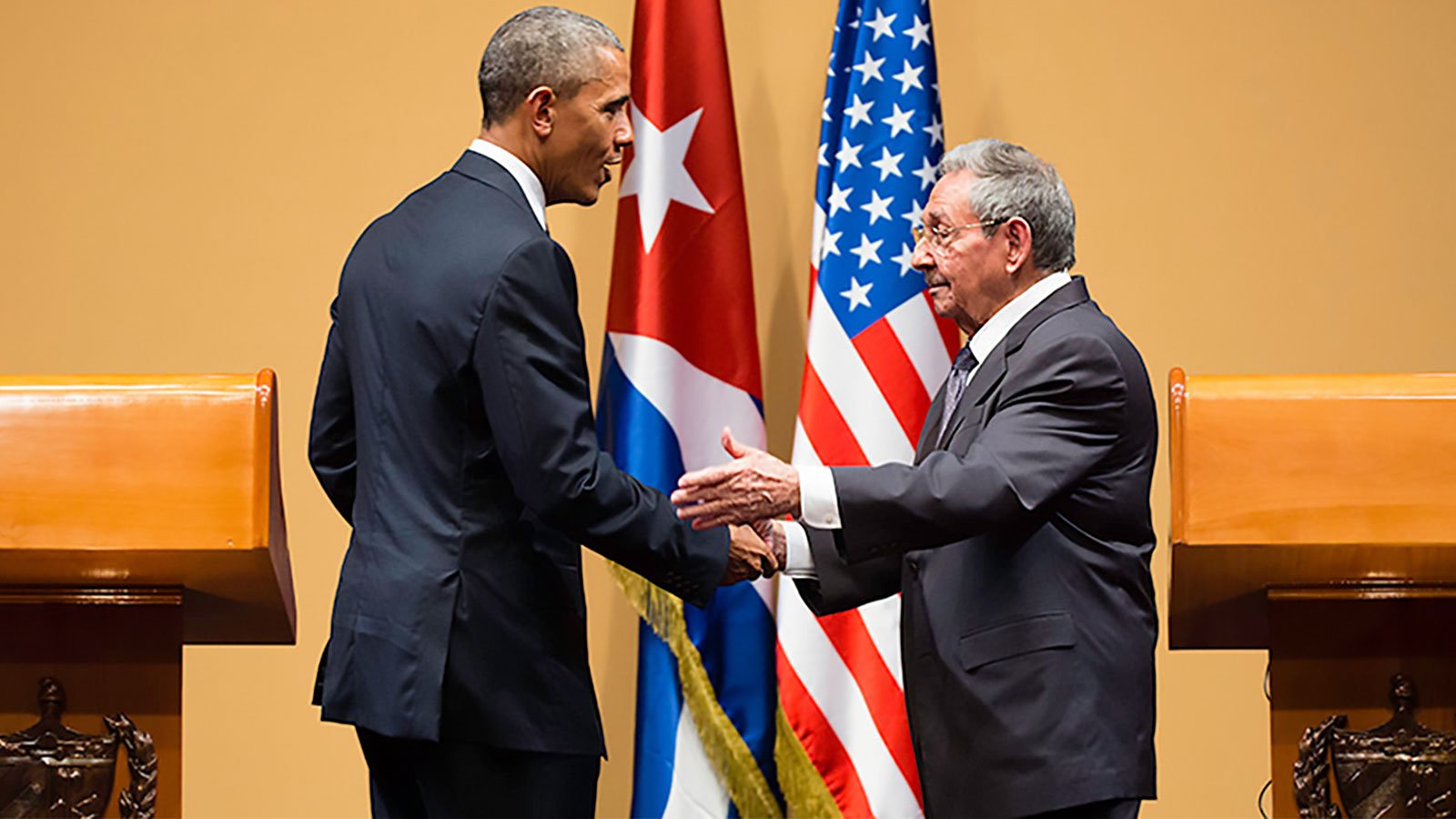
This is why trust matters more than symbolism. A handshake, a speech, or a short-lived policy shift can grab headlines, but it does not repair the underlying architecture of the relationship. Cuba wants predictability. Washington wants concessions. The mismatch is persistent and structural.
The legacy of reversals
One reason this story keeps resurfacing is that the United States has repeatedly sent mixed signals. Engagement has often been paired with sanctions enforcement, and moments of openness have been followed by renewed pressure. That pattern creates a political memory in Havana that is difficult to erase. Even when the language softens, the risk of reversal remains.
That is the real problem for Cuba: diplomacy without durability is just theater. Any government trying to plan for investment, tourism, energy, or trade needs confidence that the rules will not change every election cycle.
What Havana is really saying
When Cuba says the USA is hard to trust, it is not simply making a moral judgment. It is making a strategic one. The message is aimed at multiple audiences at once: domestic supporters, regional allies, and the United States itself. At home, the government can frame skepticism toward Washington as proof of sovereignty. Abroad, it can position Cuba as a country that is willing to engage, but only on terms that do not look like capitulation.
The key issue is not whether the two countries can talk. It is whether either side believes the other can sustain a deal long enough for it to matter.
That distinction is important. Diplomacy between adversaries is common. Durable diplomacy is rare. Cuba’s warning suggests it sees Washington as inconsistent, and inconsistency is often more damaging than hostility because it makes planning impossible.
Domestic politics shape the message
The Cuban leadership also has internal reasons to speak this way. Presenting the United States as unreliable helps explain economic hardship, external pressure, and stalled reform without placing all the blame on domestic governance. That does not make the criticism irrelevant. It just means the message serves both foreign policy and internal politics.
For the Cuban public, trust in the United States is filtered through lived experience: sanctions, shortages, migration tensions, and the sense that the island’s future can be influenced from outside. That makes any diplomatic overture politically delicate. Even a modest opening can be attacked as naive if it does not produce visible relief.
Why this matters beyond Havana and Washington
US-Cuba relations do not exist in isolation. They affect the broader Caribbean, Latin America, and policy debates in the United States itself. Every shift in the relationship can ripple through migration policy, regional alliances, and economic flows. When the relationship tightens, pressure often builds elsewhere. When it loosens, there is usually a short window of opportunity for cooperation on issues like disaster response, public health, and maritime safety.
This matters because Cuba sits at the intersection of geopolitics and geography. It is close enough to the United States to be politically sensitive and strategically important, yet separate enough to remain a symbol of unresolved Cold War logic. That combination keeps the issue alive long after many other post-Cold War disputes faded.
Migration remains a pressure point
One of the most immediate consequences of a strained relationship is migration. When people cannot see a stable economic future, they move. That creates political pressure in both countries and turns foreign policy into domestic politics almost overnight. If trust is weak, cooperation on migration becomes harder, and every policy dispute becomes more volatile.
Pro tip: Watch migration policy if you want to understand the real temperature of US-Cuba relations. Public statements may sound diplomatic, but border policy often reveals what the governments actually expect from each other.
The economic cost of broken confidence
From a business perspective, uncertainty is the enemy. Investors, shipping operators, tourism operators, and suppliers all need rules they can plan around. Cuba’s economy has long been constrained by sanctions and access issues, but instability in the diplomatic channel adds another layer of risk. If the United States is seen as unreliable, then any company or institution trying to operate in or around Cuba has to price in sudden policy changes.
That is not a theoretical issue. It affects financing, insurance, logistics, and the willingness of foreign partners to commit. Even if there is interest in sectors like agriculture, telecommunications, or energy, the lack of predictable policy limits how far that interest can go.
- Policy volatility raises transaction costs for international partners.
- Unclear rules discourage long-term investment and infrastructure planning.
- Humanitarian and commercial channels often get tangled in politics.
Why this matters: trust is not a soft diplomatic value. It is an economic input. When it disappears, costs rise and opportunities shrink.
The strategic guide to reading this moment
If you are trying to make sense of this latest Cuban warning, the right approach is to focus on signals rather than slogans. Both governments know how to perform firmness. The real story is whether either side is preparing for a structural shift or simply managing expectations.
What to watch next
- Any change in sanctions language or enforcement posture from Washington.
- Whether Havana pairs criticism with a concrete offer for dialogue.
- Signals from regional partners that could influence mediation or pressure.
- Moves on migration, remittances, or travel rules that hint at a broader policy reset.
One useful way to think about the relationship is as a series of interlocking policy files, each affecting the others. A shift in one area can quickly change the bargaining power in another. For example, if the United States adjusts a sanctions package, it may alter Cuba’s room to maneuver on migration or market openings. Likewise, if Havana makes a symbolic concession, Washington may face new pressure to respond. None of this happens in a vacuum.
The code of caution
In practical terms, analysts should treat every new announcement as part of a larger pattern rather than a standalone event. A policy can be announced in public and still fail in execution. That is especially true when trust is low.
Think of it this way:
if trust == low and policy == reversible, then engagement = fragile
That simple logic explains why so many diplomatic openings between the two countries have remained incomplete. The problem is not a lack of rhetoric. It is a lack of confidence that either side can or will sustain the terms of a deal.
The bigger geopolitical picture
There is also a wider strategic lesson here. In a period when great-power competition is reshaping diplomacy across the Americas, small states are increasingly wary of being pulled into larger contests. Cuba’s skepticism toward the United States reflects not only bilateral history but also a broader instinct: do not depend on promises that may be overridden by domestic politics elsewhere.
That makes this a story about more than Cuba. It is about how trust breaks down in modern diplomacy, how sanction regimes can harden political identities, and how hard it is to rebuild confidence once it has been lost. The lesson extends far beyond the Caribbean.
For Washington, the challenge is simple to state and difficult to solve: if every administration resets the relationship, Cuba has little reason to believe any opening will last.
The bottom line
Cuba’s warning that the USA is hard to trust is not just posturing. It is a concise summary of a long diplomatic failure. The relationship remains hostage to history, political volatility, and the absence of durable guarantees. Until that changes, every gesture toward engagement will be shadowed by the fear that it can be undone.
That is why this story matters now. It is not simply about one speech or one accusation. It is about whether two countries that have spent decades avoiding each other’s trust can finally build a framework stable enough to survive politics. Right now, the answer still looks uncertain.
The information provided in this article is for general informational purposes only. While we strive for accuracy, we make no guarantees about the completeness or reliability of the content. Always verify important information through official or multiple sources before making decisions.