El Nino Surge Could Rewrite Global Weather
El Nino Surge Could Rewrite Global Weather
The latest El Nino surge is not just another seasonal climate headline. It is a fast-moving shift in the Pacific that could amplify heat, scramble rainfall patterns, strain food systems, and raise the odds of costly weather extremes across multiple continents. When forecasters at NOAA describe this transition as one of the quickest they have seen, that is a signal policymakers, businesses, and households should treat seriously.
This matters because El Nino is one of the planet’s most powerful climate pattern disruptors. It can tilt the odds toward hotter global temperatures, alter hurricane activity, intensify drought in some regions, and unleash flooding in others. After years in which La Nina shaped the baseline, the speed of this reversal is now the story. The immediate question is not whether people will feel it. The question is how sharply, how broadly, and how prepared we are for what comes next.
- El Nino is developing unusually fast, increasing concern among forecasters.
- Global heat records could be at risk as ocean warming adds fuel to already elevated temperatures.
- Weather impacts will be uneven: some regions may face drought, others flood risk and storm shifts.
- The real story is strategic: agriculture, energy, insurance, and public health all have exposure.
- Preparation matters now, because climate signals often show up in supply chains and local risk before headlines catch up.
Why this El Nino surge is getting so much attention
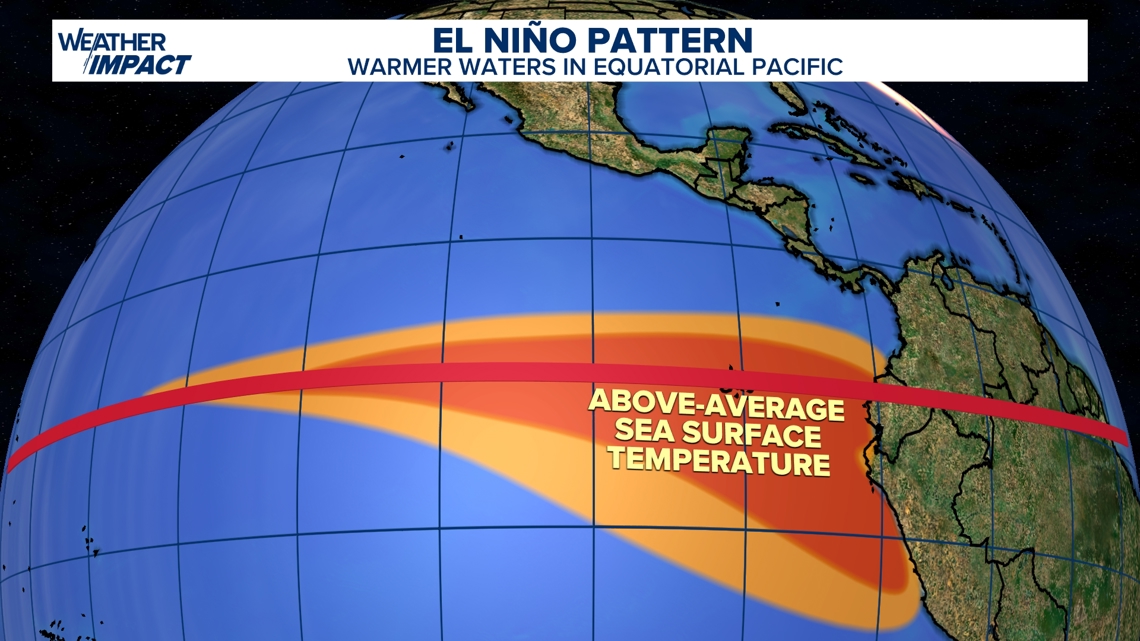
El Nino refers to a warming of surface waters in the central and eastern equatorial Pacific. That sounds technical, but the consequences are very real. The Pacific acts like a giant atmospheric control knob. When its temperature patterns shift, global wind circulation, storm tracks, and rainfall patterns can shift with it.
What makes this episode stand out is the pace. A rapid move from La Nina conditions toward El Nino suggests the climate system is flipping states faster than many expected. That speed matters because transitions influence forecast confidence, response planning, and the likelihood that multiple climate stressors stack on top of one another.
Fast transitions are not just scientific curiosities. They compress decision time for cities, farmers, grid operators, and disaster planners.
There is also a broader backdrop here. The world is already running warm due to long-term climate change. Add an El Nino on top of that, and the odds increase for globally exceptional temperatures. That does not mean every place will break records at once. It means the baseline gets nudged upward in a way that can make local extremes more likely.
How El Nino changes the weather map
No climate pattern affects every region the same way. That is why El Nino is both powerful and frustrating: it loads the dice rather than dictating a single outcome.
Heat gets a stronger tailwind
One of the clearest global consequences of a strong El Nino is additional heat. Warmer ocean surfaces release energy into the atmosphere, and global average temperatures often jump during these years. If the event strengthens further, the possibility of record-breaking warmth becomes much more credible.
This has ripple effects far beyond uncomfortable summers. Heat stresses power grids, reduces labor productivity, worsens wildfire conditions, and raises health risks for vulnerable populations. For businesses, the relevant phrase is not just weather volatility. It is operational disruption.
Rainfall patterns can flip dramatically
Some regions historically become wetter during El Nino, while others dry out. That can mean flood pressure in one market and crop stress in another. Water managers often pay close attention to these ocean signals because they can shape reservoir planning, irrigation demand, and emergency response.
The challenge is that local outcomes depend on how El Nino interacts with other climate drivers. A broad seasonal pattern can point in one direction while a short-term weather system swerves the other way. That is why forecasts should be read as probability shifts, not absolute scripts.
Storm behavior can change too
El Nino can alter atmospheric wind patterns in ways that affect tropical cyclone activity, especially in the Atlantic. In some years, increased upper-level wind shear can suppress hurricane development there. But fewer storms does not automatically mean lower risk everywhere, and regional dynamics remain complex.
That nuance is important. Weather communication often fails when broad climate signals are mistaken for guarantees. An active or quiet season can still produce devastating local events if the track, timing, and intensity line up badly.
El Nino and record heat risk
The strongest reason this El Nino surge deserves attention is its collision with an already warmed climate system. This is where the conversation moves from ordinary variability to compounded risk.
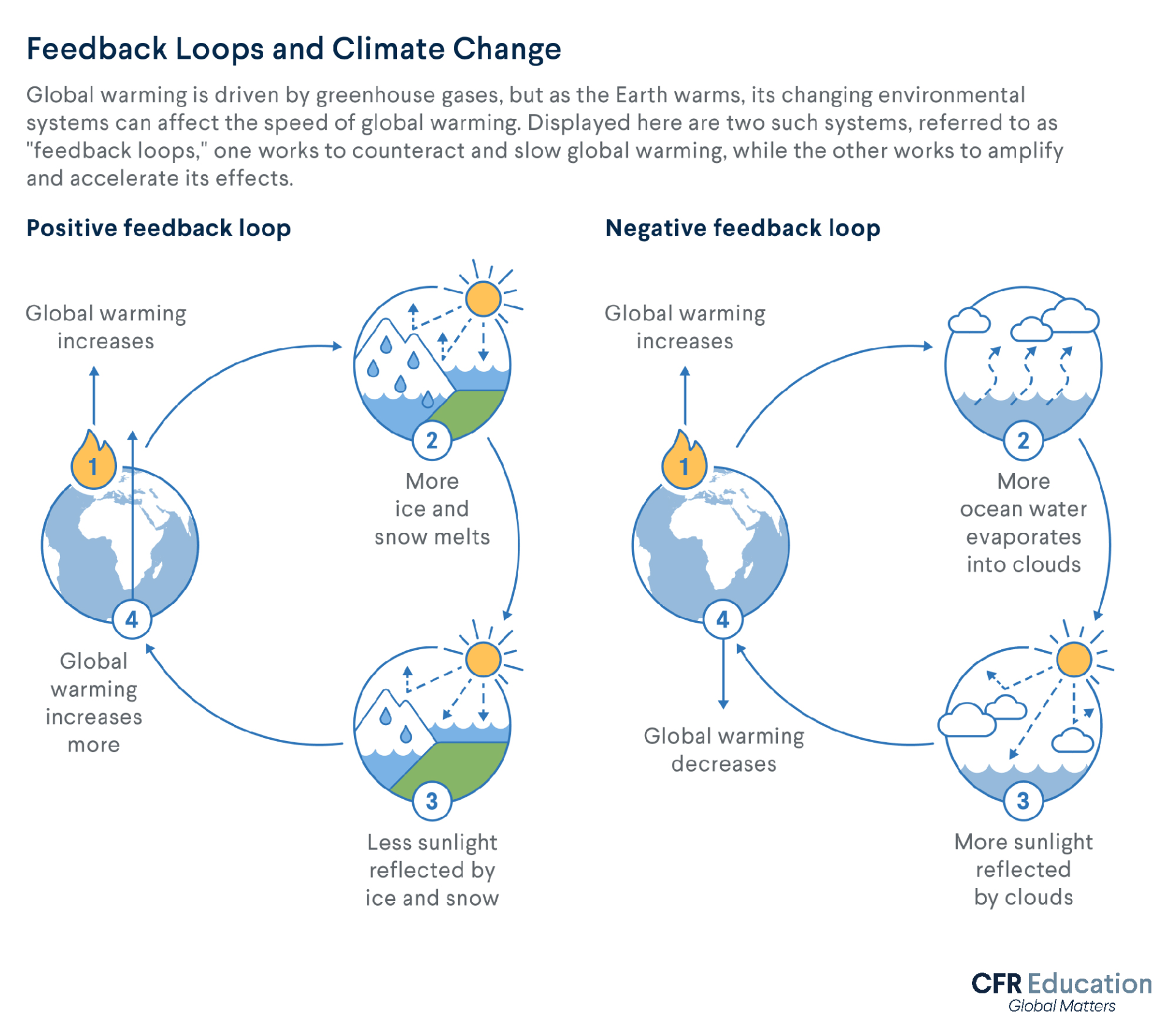
Think of long-term climate change as raising the floor. Then think of El Nino as adding another lift. The result can be a year that feels less like a normal swing and more like a step change. Oceans have stored immense amounts of heat in recent years, and marine heat anomalies have become a major point of concern. When those conditions coincide with a strengthening El Nino, the atmosphere has more energy to work with.
The key issue is not whether El Nino causes climate change. It does not. The issue is that it can temporarily amplify the impacts of a warming world that is already under stress.
That distinction matters for credibility. El Nino is a natural pattern. Climate change is a human-driven long-term trend. But in practical terms, communities experience both at the same time. That is what can make a single year feel historically punishing.
Why industries should care now
This is where the weather story becomes a business story, a health story, and a supply chain story.
Agriculture and food markets
Farmers are among the first to feel shifts in rainfall, temperature, and seasonal timing. Crop yields can be hit by drought, excess rain, or heat stress depending on region. Commodity markets react fast when production outlooks turn uncertain.
Pro tip: Organizations with food exposure should pressure-test sourcing assumptions now, especially where a single geography dominates supply.
Energy and utilities
Heat waves drive demand spikes for cooling. Drought can reduce hydropower output. Flooding can damage infrastructure. The combination makes grid planning more difficult, particularly in regions already facing reliability concerns.
Utilities and large facilities teams should be thinking in terms of resilience, not average conditions. Averages do not trip substations. Extremes do.
Insurance and risk management
Insurers track large-scale climate signals because they influence catastrophe exposure. Even where direct impacts are uncertain, the probability of losses can rise enough to change pricing, reserves, or underwriting appetite.
For corporate risk teams, this is the moment to review business continuity plans, seasonal hazard maps, and emergency communication protocols.
Public health
Heat remains the most immediate health threat in many places, but it is not the only one. Changes in rainfall can affect water quality, vector-borne disease patterns, and emergency care demand during storms or floods. Public agencies that wait for local crises before preparing are already behind.
What the fast transition tells us about forecasting
There is a deeper lesson in how quickly conditions have shifted. Modern climate forecasting is better than it used to be, but the Earth system still contains nonlinear behavior. Ocean-atmosphere coupling can produce changes that look gradual until they suddenly do not.
That should encourage humility, not fatalism. Forecasts are tools for action, especially when they point to elevated risk. But they should be used in layers:
- Seasonal outlooks for broad planning
- Regional forecasts for operational decisions
- Short-range alerts for immediate response
If you are building a preparedness workflow, the logic often looks like this:
seasonal signal -> regional impact assessment -> local contingency plan -> trigger-based response
That sequence matters because large climate patterns rarely translate cleanly into neighborhood-level outcomes without interpretation.
Why this El Nino surge matters beyond one season
The temptation with El Nino is to treat it as a temporary weather storyline. That misses the larger shift. Every major climate oscillation now plays out against a hotter background and more stressed infrastructure. The same pattern that once caused manageable disruption can now interact with urban heat, fragile supply chains, aging grids, and tighter insurance markets.
In that sense, the developing event is a stress test. It asks whether institutions have learned to act on probabilistic climate information before damage appears. It asks whether businesses understand that climate exposure is operational exposure. And it asks whether governments can communicate risk without swinging between complacency and panic.
The smartest response to El Nino is not spectacle. It is disciplined preparation based on probabilities, thresholds, and local vulnerability.
What readers should watch next
The next phase will hinge on intensity and persistence. A weak El Nino and a strong one can produce very different global effects. Watch for updates on Pacific sea surface temperatures, atmospheric coupling, and how seasonal forecast confidence evolves. Also watch whether heat records continue to stack up globally, because that would reinforce the signal that this event is amplifying an already exceptional climate backdrop.
At the local level, the better question is simpler: what hazards tend to rise in your region during El Nino, and what would those hazards disrupt first? For some places, that means flood readiness. For others, water conservation, heat planning, or wildfire preparation.
The larger takeaway is hard to ignore. This is not just a fascinating climate phase shift for scientists to track on charts. It is a real-time reminder that the atmosphere does not wait for perfect certainty, and neither should the systems that depend on stable weather. If this El Nino surge continues on its current path, the next set of records it challenges may not stay confined to meteorology.
The information provided in this article is for general informational purposes only. While we strive for accuracy, we make no guarantees about the completeness or reliability of the content. Always verify important information through official or multiple sources before making decisions.