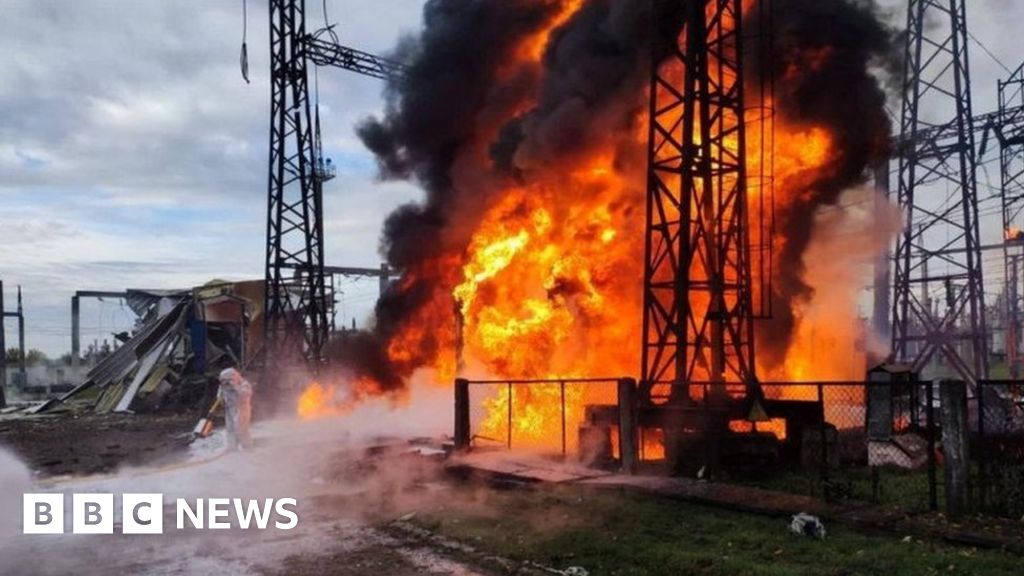
Footage Reveals Iran-Israel Missile Clash in Real Time
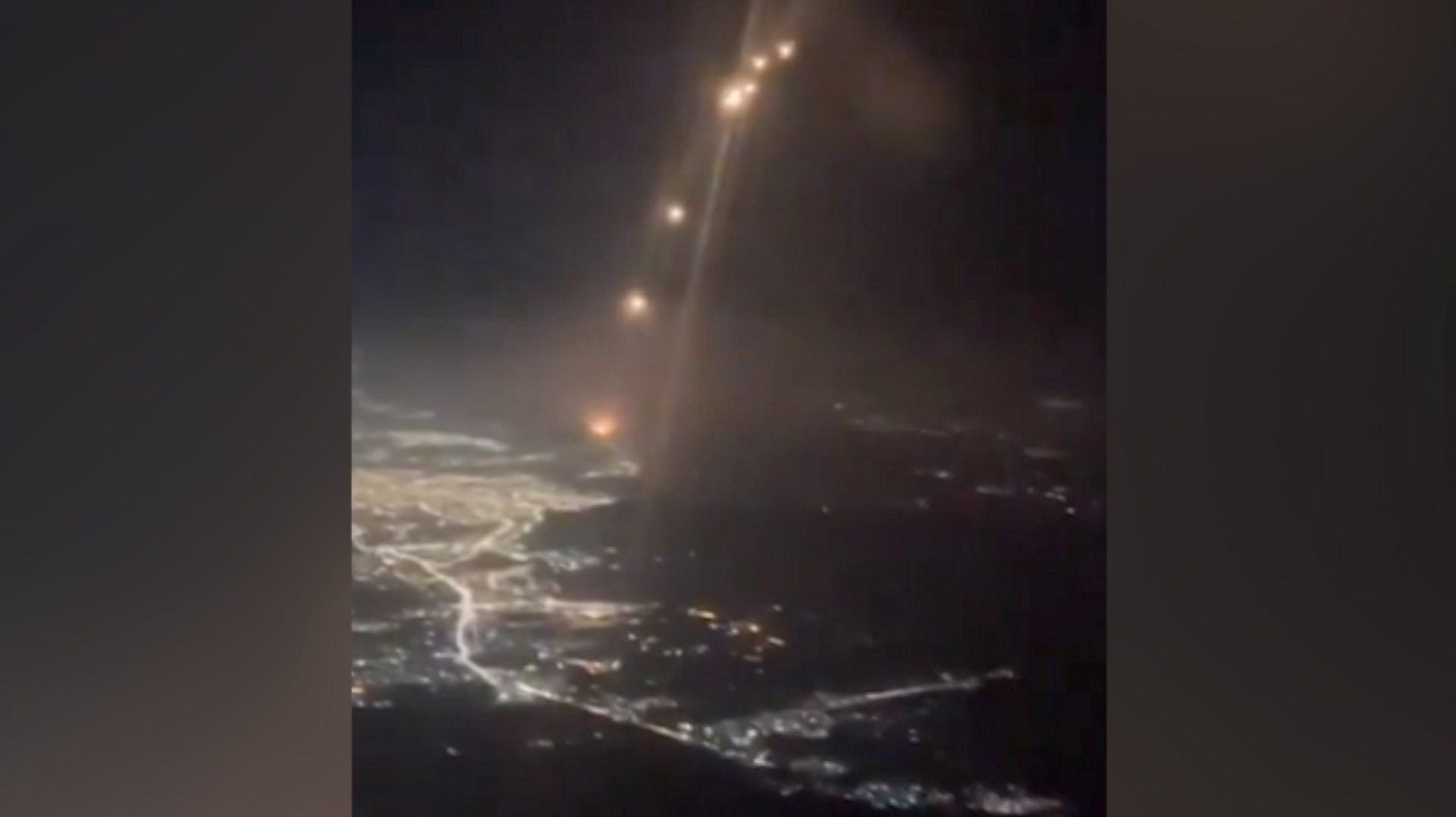
Footage of a projectile streaking across central Israel after the latest Iran strike has gone viral, turning every smartphone into a frontline sensor and pushing the debate over regional stability into public view. The Iran Israel missile footage is more than a clip – it is a real-time stress test of air defense systems, crisis communications, and the way civilians now crowdsource battlefield intelligence. With rival militaries exchanging signals and the world watching through social feeds, the balance between deterrence and escalation is being renegotiated frame by frame.
- Viral
Iran Israel missile footageunderscores how civilian cameras now drive conflict narratives. - Projectile trajectory suggests layered air defense engagement and highlights interception challenges.
- Social media speeds public perception faster than diplomatic messaging can keep up.
- Brands, airlines, and investors are reassessing risk models for the Eastern Mediterranean.
How the Footage Redefined the Iran-Israel Exchange
The clip shows a bright projectile falling toward central Israel, sparking speculation: was it an incoming missile, a failed interceptor, or debris from a midair collision? Military analysts note that modern interception creates complex debris patterns. Viewers unfamiliar with ballistic trajectory profiles often mistake falling booster stages for failed defense. That ambiguity is exactly why these videos matter. They compress technical ambiguity into viral narratives, influencing public sentiment before official statements land.
Israel’s multi-layered defense – from Iron Dome to David's Sling and Arrow batteries – is designed to manage threats at different altitudes. Each layer leaves visual signatures: bright burn trails, delayed detonations, and cascading fragments. The circulating video appears to capture a later-phase descent, which could indicate an interception at higher altitude or a self-destruct sequence triggered when guidance fails. Either way, the footage spotlights how interception success is now judged in real time by millions of viewers.
Signal Versus Noise in Viral Defense Clips
For every authenticated video, dozens of recycled or mislabeled clips spread alongside it. Geolocation sleuths now parse skyline contours, streetlight patterns, and even cloud shapes to verify authenticity. This open-source rigor matters because both Tehran and Jerusalem use information operations to shape perception. A single miscaptioned video can inflame audiences or undermine official briefings.
“The first battle is for narrative dominance – and smartphone lenses are the new artillery,” notes a former air defense officer.
Pro Tip: When assessing viral clips, look for metadata and crowd-verified landmarks. If those are missing, assume the clip is unverified.
Air Defense Performance: Reading Between the Frames
Every frame of the Iran Israel missile footage offers clues to system performance. The brightness of the trail hints at fuel type, while the speed of descent can separate an interceptor from debris. Israel’s Iron Dome favors short-range rockets; Arrow targets ballistic missiles higher up. A projectile falling in a controlled arc might be an interceptor’s booster returning after stage separation. A tumbling, uneven glow could be debris from a midair collision.
Layered Defenses Under Stress
Iran’s strike strategy appears calibrated to saturate defenses. Launching swarms increases the chance of penetrating at least one layer, forcing interceptors to prioritize threats. The viral clip suggests that even when most targets are intercepted, fragments can still threaten populated areas. That is why Israel continually upgrades radar coverage and response times, integrating multi-band tracking and AI-assisted threat classification to reduce human decision latency.
Why Interception Is Never Binary
Viewers often expect a clean Hollywood-style explosion that ends the threat. Reality is messier. Successful interceptions can scatter fragments across wide areas. Civil defense must therefore extend beyond intercept – siren systems, hardened shelters, and rapid debris retrieval are part of the defense chain. The video underscores this continuum: even a neutralized projectile can rattle public trust if fragments fall near homes.
Information Warfare: The Clip as a Strategic Asset
Tehran and Jerusalem both understand that the viral arc of a missile can do diplomatic work. Iran’s messaging frames the strike as calibrated retaliation; Israel frames interceptions as proof of resilience. The public, meanwhile, demands clarity, pressing officials for instant explanations. That tension often leaves ministries reactive, issuing statements after narratives calcify online.
For journalists and analysts, the clip is a rare open-source artifact that reveals timing, response speed, and perhaps gaps in coverage. For adversaries, it is reconnaissance: the glow of an interceptor or radar sweep pattern can hint at deployment locations. This is why militaries now monitor social feeds as closely as radar screens, issuing takedown requests when sensitive angles appear.
Speed Versus Accuracy in Official Messaging
Governments face a messaging dilemma. Delay a statement and cede ground to speculation; speak too quickly and risk correction that erodes credibility. The best practice seen in other conflict zones pairs rapid acknowledgment with provisional language: “Under assessment,” “Initial indications,” and “Debris recovery ongoing.” That framing sets expectations while analysts verify.
“You cannot outrun Twitter, but you can shape the lane it runs in,” a crisis communications strategist advises.
Economic and Aviation Fallout
Airlines route decisions on live threat maps, and a projectile over central Israel forces detours. Longer flight paths raise fuel costs and insurance premiums. Cargo operators may delay shipments, pushing ripple effects into global supply chains. Investors watch for signs of sustained risk that could dampen tourism or tech sector resilience.
Past flare-ups show how quickly markets price risk. Defense contractors often see short-term bumps, while hospitality and mobility players brace for cancellations. If footage like this becomes a regular occurrence, insurers could re-rate the Eastern Mediterranean corridor, making coverage pricier or harder to secure.
Business Continuity Playbook
Enterprises with teams in Tel Aviv and Herzliya maintain continuity-of-operations plans. The key steps: verify staff safety, switch to remote work, and stagger commutes to avoid peak alerts. For multinational firms, redundant data centers and cross-border VPN routes ensure resilience if local infrastructure strains under load.
Historical Parallels and Strategic Trajectories
The clip arrives in a region already dense with precedent. From the Gulf War’s Scud interceptions to recent drone swarms over oil fields, the Middle East has repeatedly shown how missile defense defines strategic credibility. Each successful intercept bolsters deterrence; each visible failure invites recalibration from adversaries.
Iran’s increasing use of drones and missiles signals a maturation of its A2/AD (anti-access/area denial) toolkit. Israel’s response will likely accelerate investments in directed-energy systems, like the Iron Beam laser, aimed at cheaper per-shot costs against swarms. The viral projectile may thus be a harbinger of a shift from kinetic interceptors to electric ones.
Future Tech: From Lasers to Autonomy
Lasers promise near-instant engagement but demand significant power and clear atmospheric conditions. Integrating them with radar and optical tracking could shorten the kill chain. Autonomy will also expand: drones acting as airborne pickets, sharing data over mesh networks, and handing off targets to ground batteries. These innovations could reduce the kind of debris seen in the viral clip, but they introduce new challenges in software reliability and rules of engagement.
Media Literacy: What Audiences Should Do Next
The spread of the Iran Israel missile footage is a case study in the public’s growing role in conflict observation. To avoid amplifying misinformation:
- Wait for geolocation or trusted analysts to verify visuals.
- Scrub metadata before resharing if personal safety is a concern.
- Cross-check with official alerts or reputable newsrooms for context.
- Avoid drawing conclusions from a single clip; look for corroborated patterns.
Audiences now influence policy indirectly. Viral panic can pressure leaders toward escalation; calm, verified sharing can keep diplomatic windows open. Practicing restraint online is not passive – it is a civic act with strategic weight.
Why This Matters
The central question is not whether the projectile was intercepted, but what it reveals about the evolving rules of engagement. Civilians are now part of the sensor grid, creating accountability but also new vulnerabilities. Militaries must adapt to operating under constant public scrutiny, balancing secrecy with transparency to maintain trust.
For residents, the footage is a reminder that resilience requires more than hardened shelters. It demands digital literacy, psychological readiness, and community networks that can absorb shocks without spiraling into fear. For policymakers, it underscores the urgency of crisis communications that keep pace with viral narratives.
Ultimately, the Iran Israel missile footage is a microcosm of modern conflict: kinetic, informational, and economic domains colliding in real time. How leaders respond to these clips – with clarity, honesty, and strategic restraint – will shape whether the region inches toward stability or slides into a cycle of escalation.
The information provided in this article is for general informational purposes only. While we strive for accuracy, we make no guarantees about the completeness or reliability of the content. Always verify important information through official or multiple sources before making decisions.