Football Analysis Exposes Elite Pressure
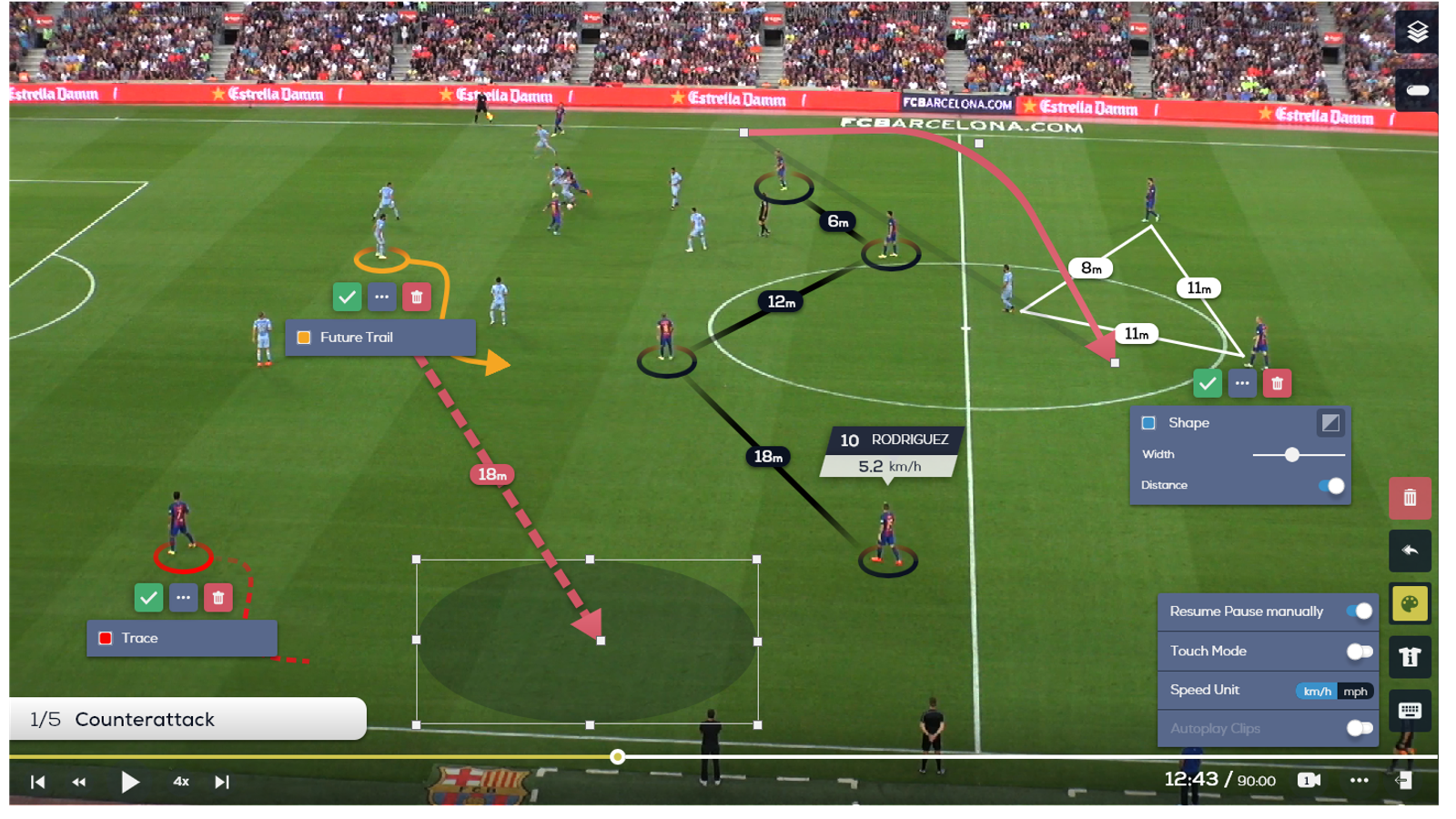
Football Analysis Exposes Elite Pressure
Elite football no longer gives clubs the luxury of hiding behind a single bad day. One result can now become a referendum on recruitment, coaching, squad culture, fan patience, and ownership competence. That is why this football analysis matters: the modern game has turned every high-profile fixture into a stress test, not just of the players on the pitch, but of the entire football operation behind them. Supporters see the scoreline. Analysts see the patterns. Executives see the consequences. When a match tilts on fine margins, the aftermath often reveals something bigger than form. It shows whether a club has a plan strong enough to survive pressure, injuries, tactical scrutiny, and the ruthless attention economy that surrounds the sport.
- Modern football is judged through systems, not moments. A result is only the visible tip of a much larger structure.
- Tactical identity now matters as much as individual quality. Clubs without clarity are punished quickly.
- Squad depth is no longer optional. Fixture congestion exposes weak recruitment and poor succession planning.
- Supporter reaction has become part of the pressure cycle. Narratives move faster than dressing rooms can recover.
Why Football Analysis Now Starts Beyond the Scoreline
The most important shift in elite football is that fans, coaches, and executives are increasingly watching different matches at the same time. The fan watches emotion: goals, mistakes, momentum, injustice, celebration. The coach watches spacing, pressing triggers, rest defence, transitions, and whether players carry out instructions under stress. The executive watches asset value, squad balance, wage efficiency, and reputational risk.
That is why a single fixture can produce wildly different conclusions. A team may lose narrowly and still show promising signs. Another may win but reveal structural flaws that better opponents will exploit. This is where serious football analysis separates itself from instant reaction. The job is not to ask only whether a team won. It is to ask whether the performance model is sustainable.
Key insight: A result tells you what happened. The performance tells you what is likely to happen next.
Clubs that understand this tend to make calmer decisions. They avoid tearing up a project after one defeat or over-celebrating a lucky win. Clubs that do not understand it often swing between panic and denial, which is how expensive squads become incoherent squads.
Football Analysis Shows the Tactical Battle Is Now Relentless
The tactical baseline of elite football has risen dramatically. Even mid-table teams are now sophisticated in their use of pressing traps, inverted full-backs, rest defence, and third-man runs. There are fewer hiding places for teams that rely only on talent.
One of the defining questions in any major match is whether a side can control the middle third without becoming predictable. A team using a 4-2-3-1 might look secure on paper, but if the double pivot cannot receive under pressure, the shape quickly becomes a problem. A side using a 3-2-5 in possession might dominate territory, but if the counter-press fails, it can be torn open in two passes.
This is why managers now talk constantly about control. Control does not mean sterile possession. It means reducing the number of situations in which the opponent can attack your weakest spaces. The best teams are not just creative. They are protected when their creativity fails.
The Pressing Question
The high press remains one of football’s most seductive weapons because it looks aggressive, modern, and emotionally satisfying. But it is also brutally revealing. If one player presses and another hesitates, the whole structure collapses. If the centre-backs are not comfortable defending large spaces, the press becomes a gamble. If the forwards tire, the midfield gets stretched and the game turns chaotic.
The smarter question is not whether a team presses. It is whether the team knows when not to press. Elite sides vary their pressure. They can jump high, drop into a compact block, squeeze wide areas, or bait opponents into central traps. That flexibility is often the difference between a team with a tactic and a team with an identity.
Recruitment Is the Hidden Story Behind Every Result
Every match report eventually points back to recruitment. A missed chance may be framed as a finishing issue. A late collapse may be framed as mentality. A midfield being overrun may be framed as tactics. But underneath those moments sits a harder question: did the club build the right squad?
Modern recruitment has to solve multiple problems at once. A club needs athleticism without sacrificing technique. It needs experience without blocking development. It needs specialists, but not so many that the manager loses flexibility. It needs value in the market, but not so much caution that rivals move faster.
This is especially clear when injuries hit. Good squads bend. Poorly built squads break. If one absence forces three positional compromises, the issue is not bad luck. It is planning. If a manager cannot rotate without losing the team’s core identity, recruitment has left the coaching staff exposed.
Editorial view: The transfer market is not just about buying better players. It is about buying fewer excuses.
The best-run clubs now recruit for role clarity. They know what each player is supposed to do inside a defined model. Less coherent clubs buy reputation first and ask tactical questions later. That approach can create highlights, but it rarely creates consistency.
The Data Layer Is Powerful but Not a Shortcut
Metrics such as xG, progressive carries, field tilt, and PPDA have improved the way football is discussed. They help explain why a performance felt dominant even before the goals arrived, or why a win may have relied on unsustainable finishing. Used well, data protects clubs from emotional decision-making.
But data is not magic. It needs interpretation. A high xG total can come from one huge chance or a steady stream of good opportunities. A team can dominate possession without threatening the penalty area. A player can have impressive passing numbers because he is brave, or because he is never pressured. Context is everything.
The real value of data is that it sharpens the questions. Why is a striker taking fewer shots? Why is a winger receiving deeper? Why is a midfielder’s passing range shrinking? Why are opponents creating so many cutbacks? Numbers do not replace scouting or coaching judgement. They make those judgements harder to fake.
Pro Tip for Supporters Reading the Numbers
Do not treat one metric as a verdict. Look for clusters. If a team has low xG, poor territory, weak pressing numbers, and declining shot volume, the concern is real. If one number looks bad but the wider performance profile is improving, patience may be justified.
Why This Matters for Managers Under Pressure
Managers now operate in a brutal middle ground. They are expected to build long-term structures while surviving week-to-week judgement. They must develop young players, manage expensive stars, satisfy executives, and produce a style that fans can believe in. The problem is that time is shrinking while expectations are expanding.
The strongest managers create visible progress even before perfect results arrive. Supporters can tolerate setbacks if they see patterns: better chance creation, clearer pressing, stronger defensive spacing, more coherent substitutions. What they struggle to accept is confusion. A confusing team quickly becomes a vulnerable manager.
That is why communication matters. A manager does not need to reveal every tactical detail, but he must explain the direction of travel. When the message from the touchline, the recruitment department, and the boardroom feels aligned, pressure becomes manageable. When those messages contradict each other, every defeat becomes combustible.
Football Analysis and the Fan Economy
The emotional economy around football has changed. Reaction is instant, global, and algorithmic. A poor performance becomes a clip, then a debate, then a crisis narrative before the players have finished recovery work. This accelerates pressure on clubs and distorts the timeline of judgement.
That does not mean supporters are wrong to demand more. Fans invest money, time, identity, and belief. They are entitled to ambition. But the speed of modern discourse can flatten nuance. A young player becomes a saviour after one good game and a liability after one mistake. A manager becomes a genius or a fraud depending on stoppage-time finishing.
The healthiest clubs resist that volatility. They listen without being ruled by noise. They respect emotion without letting it dictate strategy. They understand that public pressure is real, but not always wise.
What Comes Next
The next phase of elite football will reward clubs that combine tactical clarity, physical resilience, smart data use, and disciplined recruitment. The gap between well-run and poorly run teams is likely to grow, not because money no longer matters, but because money without structure is increasingly inefficient.
Expect more clubs to invest in multi-club networks, specialist set-piece departments, deeper analytics teams, and succession planning for managers as well as players. Expect younger coaches to be judged not just on motivation, but on repeatable systems. Expect players to be valued for adaptability as much as flair.
Most of all, expect the debate after every major match to become sharper. The old language of passion and desire will not disappear, but it will sit alongside questions about spacing, rotations, data profiles, and recruitment logic. That is a better conversation. Football will always be emotional, but understanding it requires more than emotion.
Final verdict: The scoreline still matters most, but in the modern game it is rarely the whole truth. The clubs that learn from the layers beneath it will shape the next era.
The information provided in this article is for general informational purposes only. While we strive for accuracy, we make no guarantees about the completeness or reliability of the content. Always verify important information through official or multiple sources before making decisions.