Garden Grove Chemical Leak Exposes Industrial Risk
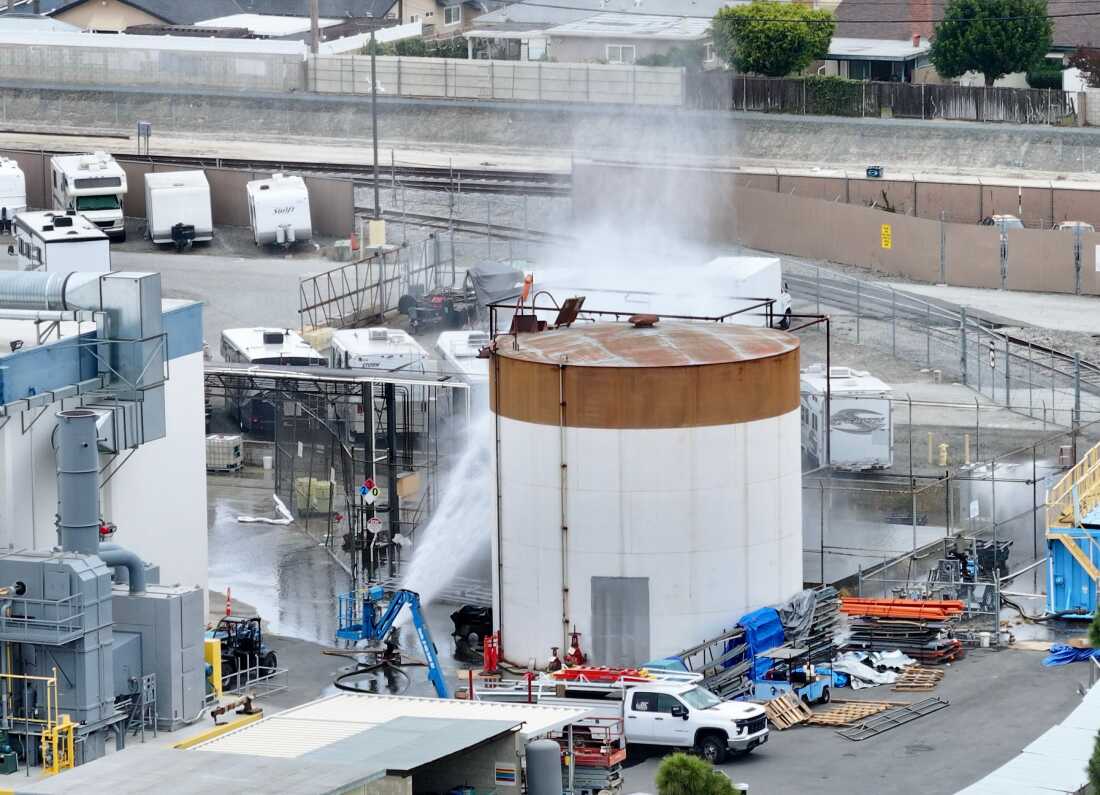
Garden Grove Chemical Leak Exposes Industrial Risk
The Garden Grove chemical leak is the kind of local emergency that instantly becomes a national warning sign. One incident, one airborne chemical, one neighborhood forced to reckon with the reality that industrial risk does not stay neatly behind warehouse walls. When the substance involved is methyl methacrylate – a volatile chemical used in manufacturing – the stakes climb fast: air quality fears, evacuation decisions, worker safety questions, and a public desperate for clear answers before rumors fill the gap.
What makes this episode so important is not just the immediate danger. It is the growing tension between dense urban development and the industrial infrastructure still operating inside it. The Garden Grove chemical leak reveals how fragile the buffer can be between commerce and community, and why chemical incident planning now matters far beyond factory gates.
- The Garden Grove chemical leak highlights the public safety risks tied to
methyl methacrylateexposure. - Emergency response speed and clarity are as important as the technical containment effort.
- Industrial sites near residential areas face rising scrutiny from regulators and communities.
- The broader lesson is strategic: chemical safety planning needs to match modern urban density.
What happened in the Garden Grove chemical leak
Authorities responded to a chemical leak involving methyl methacrylate in Garden Grove, turning an industrial incident into a public emergency with health and environmental implications. Even when first responders move quickly, these cases are difficult because the earliest phase is often defined by uncertainty: how much leaked, how far vapors traveled, whether the chemical is actively reacting, and which nearby workers or residents may have been exposed.
Methyl methacrylate is widely used in industrial processes, including the production of acrylic materials and resins. It is not an obscure lab compound. It is a practical, commercially useful chemical that exists in the same supply chains that support manufacturing, construction, and fabrication. That utility is exactly why incidents like this matter. A substance can be economically essential and still pose acute danger when containment fails.
The central challenge in any chemical leak is simple: the public needs immediate, accurate guidance before exposure risk turns into a wider crisis of trust.
Why methyl methacrylate gets attention fast
This chemical is known for being flammable and for producing vapors that can irritate the eyes, skin, and respiratory system. In higher concentrations, or in enclosed spaces, the danger profile escalates. That means an event involving methyl methacrylate is not just a cleanup problem. It becomes a coordinated hazard-management operation involving fire personnel, hazmat teams, medical responders, and local officials.
For nearby residents, the technical language matters less than the practical question: Is the air safe to breathe? That is why these emergencies are judged not only by containment success but by whether officials communicate shelter-in-place orders, evacuation zones, and exposure guidance clearly and quickly.
Why the Garden Grove chemical leak matters beyond one city
The Garden Grove chemical leak is part of a much bigger story about American infrastructure and land use. Industrial businesses have long operated near commercial corridors and residential neighborhoods. In many metro areas, population growth has closed what used to be a comfortable buffer. Warehouses, fabrication facilities, logistics hubs, schools, apartments, and retail are increasingly packed into the same geography.
That makes chemical safety a civic issue, not merely a compliance issue. A leak at one facility can disrupt traffic, trigger evacuations, close schools or businesses, and strain local hospitals and emergency services. It can also reshape public confidence in zoning, oversight, and corporate responsibility.
The new reality of proximity risk
Communities today are less willing to accept generic assurances that a facility is operating “within standards.” People want specifics. What chemicals are stored on site? In what quantities? What is the emergency plan if a tank ruptures, a valve fails, or a transfer line breaks? How are first responders trained? How quickly can air monitoring begin?
Those questions are no longer niche concerns raised only after a disaster. They are becoming baseline expectations in regions where industrial and residential footprints overlap.
Industrial safety is no longer just about preventing the worst case. It is about proving to the public that the system can detect, communicate, and contain problems before they scale.
Understanding the chemical risk
To understand the seriousness of the Garden Grove chemical leak, it helps to strip away the jargon. Methyl methacrylate is valuable because it is reactive and useful in manufacturing. Those same characteristics can make it dangerous when it escapes controlled conditions.
Common exposure concerns
- Inhalation risk: Vapors may irritate the nose, throat, and lungs.
- Eye and skin irritation: Direct contact can cause burning or discomfort.
- Fire hazard: Because the chemical is flammable, ignition risk can complicate response efforts.
- Indoor concentration risk: Enclosed environments can intensify exposure danger if ventilation is poor.
This is why hazmat incidents rarely get treated as isolated spills. Responders must think dynamically: vapor movement, weather conditions, ignition sources, drainage paths, worker status, and surrounding occupancy all matter. A small release in the wrong setting can create a disproportionately large emergency footprint.
Where emergency response succeeds or fails
Every chemical leak tests the same three systems at once: facility controls, first-responder coordination, and public communication. If one breaks down, the entire response can look shaky.
1. Facility preparedness
The first line of defense is always on site. Proper storage, pressure controls, leak detection, ventilation, shutoff systems, and employee training determine whether an incident stays manageable or spirals. Facilities handling volatile compounds should not rely on a paper compliance mindset. They need operational discipline backed by drills and maintenance routines.
2. Incident command
Once outside help arrives, response effectiveness depends on clear command structure. Fire officials, hazmat specialists, police, medical teams, and environmental agencies all need a shared operating picture. That includes identifying the substance, modeling the hazard zone, and setting action thresholds for evacuation or shelter-in-place instructions.
3. Public messaging
This is where many incidents lose credibility. Vague statements create panic. Overly technical statements create confusion. Delayed statements create both. The public does not need every lab detail in the first ten minutes, but it does need plain-language guidance that answers three immediate questions:
- What happened?
- What should I do right now?
- When will the next update arrive?
Pro Tip: The most trusted emergency communication is time-stamped, location-specific, and action-oriented. “Avoid the area” is weak. “Residents within the designated perimeter should remain indoors, shut windows, and turn off HVAC intake systems until further notice” is usable.
What businesses should learn from the Garden Grove chemical leak
For industrial operators, the Garden Grove chemical leak should land as a boardroom issue, not just an operations issue. Chemical incidents create liability on multiple fronts: worker safety, regulatory review, environmental remediation, insurance costs, business interruption, and long-tail reputational damage.
Risk management now has to be visible
Companies used to think of safety preparedness as something to demonstrate primarily to inspectors and insurers. That era is over. Local communities expect visibility. If a business stores hazardous materials, it needs a clear, credible incident plan that can stand up to public scrutiny after a failure.
That means leadership should be asking tougher questions internally:
- Are hazardous inventories current and easy to access during an emergency?
- Do workers know the immediate containment and notification process?
- Have nearby agencies trained for this specific chemical profile?
- Is there a public communications template ready for fast deployment?
The businesses that recover fastest from incidents are usually the ones that prepared for the reputational crisis alongside the technical one.
Why regulators will pay attention
High-profile leaks tend to trigger a familiar chain reaction: local concern, political pressure, inspections, and renewed debate over whether existing rules are enough. The Garden Grove chemical leak may prompt closer scrutiny of storage practices, facility siting, reporting standards, and emergency notification protocols.
That does not automatically mean dramatic new legislation. Often the first changes are more operational than political: tougher inspections, stronger enforcement, more community disclosure requirements, and sharper expectations for interagency drills.
The likely policy pressure points
- Notification speed: How quickly were agencies and the public informed?
- Chemical inventory transparency: Did responders have immediate access to accurate data?
- Buffer-zone logic: Should hazardous operations face stricter limits near dense residential areas?
- Preparedness audits: Were emergency systems tested or simply documented?
Those are not abstract policy questions. They are the practical issues that determine whether the next leak is contained in minutes or expands into a regional event.
The public usually judges a chemical incident less by whether it happened and more by whether anyone looked truly ready for it.
What residents should watch for after the immediate emergency
Even after the visible crisis subsides, communities often want answers on lingering air quality concerns, cleanup standards, and health monitoring. That is a rational response. Chemical incidents create an aftershock period where uncertainty can outlast the active leak itself.
Residents typically look for reassurance in several areas:
- Whether air monitoring data shows conditions returning to safe levels
- Whether exposed workers or residents received appropriate medical guidance
- Whether the facility can explain the root cause clearly
- Whether corrective actions are concrete rather than symbolic
Trust tends to recover only when officials and operators move beyond generic statements and provide a clear timeline: what failed, what was fixed, what was independently verified, and what changes prevent recurrence.
The bigger lesson from the Garden Grove chemical leak
The Garden Grove chemical leak is a reminder that industrial accidents do not have to be massive to be consequential. A single release involving methyl methacrylate can expose the weak points in urban planning, emergency readiness, and corporate transparency all at once.
That is why this incident resonates beyond Southern California. It captures a broader truth about modern infrastructure: the more tightly communities, logistics, and manufacturing are woven together, the less room there is for safety systems that are merely adequate. Precision matters. Maintenance matters. Communication matters. Planning for failure matters.
If there is one durable takeaway, it is this: chemical safety can no longer be treated as a back-office compliance function. The Garden Grove chemical leak shows it is now a front-line public issue – one that sits at the intersection of health, business continuity, local governance, and community trust.
The information provided in this article is for general informational purposes only. While we strive for accuracy, we make no guarantees about the completeness or reliability of the content. Always verify important information through official or multiple sources before making decisions.