Gaza Crisis Ignored: Pressure Builds
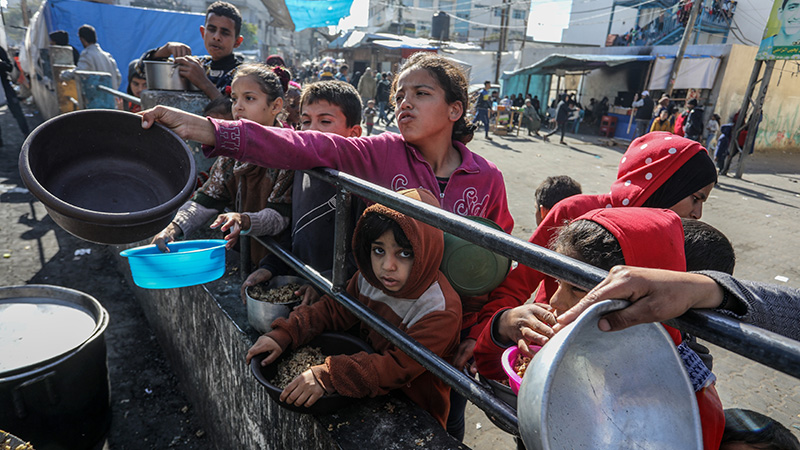
The Gaza humanitarian crisis has lingered as a political afterthought while civilians face collapsing infrastructure, scarce medical supplies, and restricted aid corridors. The stakes are brutal: every stalled convoy and every muted diplomatic statement compounds suffering. Global fatigue meets local desperation, and the disconnect is widening just as the region edges toward another dangerous winter. Leaders are talking ceasefires; families are asking for water, electricity, and insulin. Ignoring the crisis is no longer a policy choice – it is an active contributor to the harm.
- Aid bottlenecks and border politics are extending civilian suffering.
- Regional stability hinges on credible relief mechanisms, not press releases.
- Technology and logistics reforms could cut delivery times dramatically.
- Accountability pressure is shifting from diplomacy to digital transparency.
Why the Gaza humanitarian crisis keeps escalating
For years, Gaza has endured blockades, intermittent conflict, and a grid that oscillates between fragile and nonfunctional. The core issue is not lack of pledges; it is the gap between promises and trucks on the ground. Electricity supply is episodic, hospital generators run on fumes, and desalination plants operate below capacity, making potable water a daily negotiation. This is not merely a funding crisis – it is a political and logistical paralysis that sidelines human needs behind security calculations.
Border control and fragmented authority
Control of crossing points shifts under complex agreements, giving each actor a veto over aid movement. A single decision to hold a convoy at Rafah can cascade into shortages of anesthesia, oxygen tanks, and baby formula. Fragmented authority means no unified command to prioritize medical shipments or coordinate deconfliction. The result: unpredictable delivery schedules that force hospitals to ration care.
Infrastructure on the brink
Decaying water networks leak up to half their volume before reaching households. Power lines damaged in skirmishes remain unrepaired due to material restrictions. When critical spares are labeled dual-use, repairs stall. The knock-on effects are grim: sewage overflows contaminate wells, and dialysis machines go offline. Each failure compounds another, creating a feedback loop of vulnerability.
Health system triage mode
Clinics operate on just-in-time inventory without the buffer needed for crises. Cold chain interruptions render vaccines unusable. Surgeons improvise with limited sterilization capacity. Mental health support is thin, even as trauma compounds across generations. Without reliable fuel and supply corridors, even the best-trained medical teams are forced into battlefield triage standards.
Signal versus action: diplomatic rhetoric versus ground reality
Statements demanding humanitarian access rarely translate into enforceable guarantees. Observers track resolutions; families track water deliveries. The credibility gap is widening as satellite images and citizen videos expose stalled convoys and damaged clinics in real time. Governments risk reputational blowback as digital proof undercuts their talking points.
“Humanitarian corridors that exist only on paper are no corridors at all.”
Words without logistics increase cynicism. Effective pressure would link ceasefire language to measurable benchmarks: number of trucks per day, fuel tonnage, and hours of electricity delivered. Verification via independent monitors and open data dashboards could turn vague commitments into accountable targets.
The Deep Dive: mechanisms to unblock aid
Redesigning clearance protocols
Current inspections prioritize exhaustive checks over throughput. A shift to risk-based screening – prioritizing high-risk items while green-lighting pre-vetted cargo – could cut delays. Creating a trusted aid corridor list with pre-registered NGOs, tagged containers, and transparent manifests reduces friction without sacrificing security. Digital manifests shared across stakeholders would shrink the window between border arrival and local distribution.
Fuel guarantees as a humanitarian baseline
No electricity means no cold storage, no oxygen concentrators, and no functioning sewage pumps. A ringfenced fuel quota, monitored by third-party observers and telemetry, could establish a non-negotiable baseline. Allocating fuel directly to hospitals and water plants, rather than general grids, ensures critical services stay online even during escalations.
Decentralized logistics hubs
Central depots are choke points. Smaller, distributed hubs within Gaza can localize storage, reduce travel time, and diversify risk. Pre-positioned modular clinics and mobile water purification units would allow services to restart quickly after disruptions. This approach mirrors disaster-response playbooks used in hurricanes and earthquakes, adapted for a conflict zone.
Leveraging commercial supply chains
Humanitarian agencies often operate parallel to commercial logistics, missing efficiencies. Partnering with regional carriers and using existing freight lanes can increase volume and reliability. Bulk purchasing through commercial channels, coupled with humanitarian exemptions on duties, can accelerate restocking. Private-sector accountability – service-level agreements, delivery KPIs, and penalties for delays – introduces discipline often absent in purely diplomatic frameworks.
Technology as an accountability engine
Real-time transparency
Public dashboards that track truck counts, checkpoint wait times, and fuel deliveries can crowdsource oversight. Satellite data combined with ground sensors provides verification. This visibility pressures all parties to maintain flow and gives residents information to plan around outages.
Authentication and anti-diversion
Tagging shipments with QR codes or RFID linked to distributed ledgers can reduce diversion risks. Each pallet scanned at border, warehouse, and clinic creates an auditable trail. This lowers excuses for hold-ups and offers donors proof of delivery, potentially unlocking more funding.
Telehealth bridges
While connectivity is spotty, even intermittent telehealth links let specialists guide local teams, reducing the load on overstretched surgeons. Cached training modules on rugged tablets can operate offline, updating when bandwidth returns. This cushions the impact of staffing shortages and supports continuity of care.
Why this matters beyond Gaza
Failing to resolve the Gaza humanitarian crisis has regional knock-on effects: instability fuels displacement, strains neighboring health systems, and saps diplomatic capital needed for broader security frameworks. For global actors, inaction erodes credibility on human rights and sets a precedent that civilian protection is negotiable. Future conflicts will reference this template – either as a cautionary tale of paralysis or as a model for rapid, accountable relief.
Financial contagion risk
Persistent crisis discourages investment in adjacent economies, dampening trade routes and port throughput. Insurance premiums spike for carriers, further raising costs for essential goods. A credible relief mechanism could stabilize perceptions, lowering risk pricing across the region.
Norms and international law
Repeated obstruction of aid tests the resilience of humanitarian law. Each unpunished delay weakens norms, inviting copycat behavior elsewhere. Conversely, visible enforcement – sanctions tied to obstruction metrics, or conditional aid linked to access – could reinforce compliance.
Pro tips for stakeholders trying to move the needle
- Define measurable targets: Set daily
truck throughputgoals and publish them. - Secure fuel carve-outs: Negotiate protected
fuel corridorsfor hospitals and water plants. - Use commercial partners: Piggyback on
regional freightnetworks to scale volume. - Instrument transparency: Deploy
RFIDand public dashboards to reduce diversion claims. - Prepare distributed hubs: Stock
modular clinicsand micro-warehouses to cut last-mile delays.
Potential future paths
Ceasefire-linked logistics pacts
A credible ceasefire should embed logistics terms: pre-approved aid lanes, inspection time limits, and automatic triggers for additional fuel when outages exceed set hours. Linking humanitarian metrics to diplomatic milestones keeps civilian protection central.
Regional humanitarian consortium
A coalition of neighboring states and neutral NGOs could manage a joint aid operations center, reducing unilateral veto power. Shared ownership would dilute political risk and create peer pressure to maintain flow.
Community-led distribution
Local cooperatives, trusted by residents, can handle last-mile delivery with smaller vehicles that navigate damaged roads. Training and stipends, backed by transparent inventories, would build resilience and reduce reliance on overstretched international teams.
Bottom line
The humanitarian emergency in Gaza is not an inevitable tragedy; it is the sum of policy choices, logistical inertia, and insufficient accountability. The combination of targeted fuel guarantees, risk-based inspections, distributed storage, and radical transparency could move the crisis from stalemate to solvable. The pressure is mounting – on governments to align rhetoric with results, on agencies to modernize operations, and on the global audience to demand metrics instead of mantras.
The information provided in this article is for general informational purposes only. While we strive for accuracy, we make no guarantees about the completeness or reliability of the content. Always verify important information through official or multiple sources before making decisions.