Gaza Family Waits in Pain
Gaza Family Waits in Pain
The missing-person crisis in Gaza is not a footnote to war. It is the war’s most corrosive aftershock. When families cannot confirm whether loved ones are dead, detained, buried, or somehow still alive, every hour becomes a second trauma. That is the reality facing one family searching for two missing brothers, trapped between hope and pain while the region’s systems for accountability, rescue, and identification remain shattered. The emotional damage is immediate, but the structural damage is even larger: fractured civil records, overwhelmed hospitals, inaccessible burial sites, and a communication blackout that makes certainty almost impossible. This is what modern conflict looks like when ordinary human questions cannot be answered. And it is exactly why the story of missing people in Gaza matters far beyond one household.
- Families in Gaza are often forced to search without reliable records, communications, or forensic support.
- The missing-person problem is both a humanitarian crisis and an infrastructure failure.
- Uncertainty can be more punishing than confirmed loss because it blocks grief and closure.
- Any serious post-war recovery will require identification systems, documentation, and family tracing.
- The emotional and administrative toll on civilians is becoming one of the defining features of the conflict.
Why the missing-person crisis in Gaza keeps growing
The story of one family searching for missing brothers is a window into a much wider collapse. In conflict zones, the search for the missing depends on functioning hospitals, stable communications, intact municipal records, and access to sites where remains can be recovered. Gaza has been stripped of all of that. When roads are blocked, emergency services are degraded, and neighborhoods are repeatedly struck, families are left to assemble clues from fragments: a witness account here, a rumor there, a name on a list that may or may not be current.
That uncertainty has a vicious logic. The more disordered the environment, the less likely formal institutions can verify who has died and who has simply disappeared. The result is a humanitarian crisis that is also bureaucratic failure. Without a trustworthy chain of information, families cannot make decisions, communities cannot mourn properly, and aid groups struggle to map the full scope of civilian loss.
For families, not knowing is its own form of violence. It postpones grief, destroys routine, and turns every search into an endless loop of hope and dread.
The human cost of waiting for answers
For relatives, the disappearance of a brother, son, or father creates a psychological state that is difficult to overstate. If death is confirmed, grief begins. If a person is found alive, survival can anchor action. But if there is no answer, families are left suspended in permanent uncertainty. That ambiguity can be worse than loss in some ways because it denies closure while preserving just enough hope to keep the wound open.
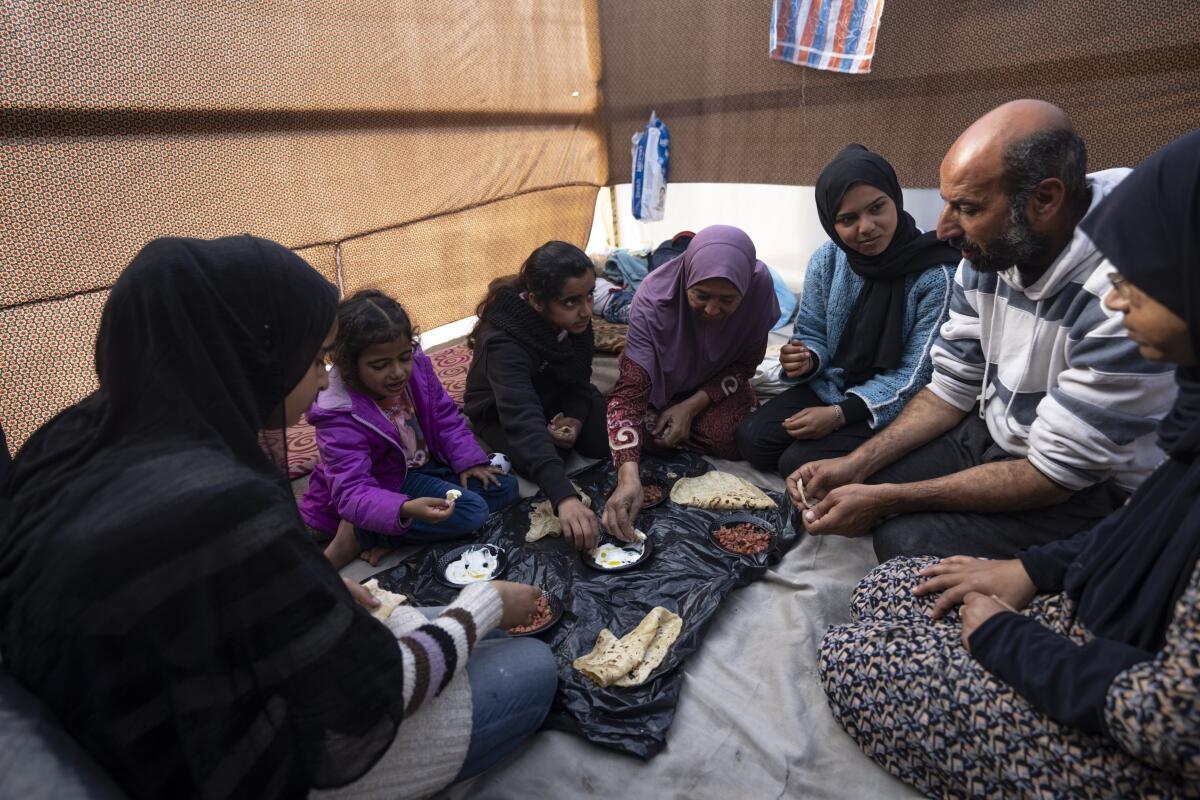
In a setting like Gaza, this uncertainty is amplified by material scarcity. Families may travel between shelters, clinics, and damaged neighborhoods with little fuel, limited phone service, and no guarantee of access. A missing-name search becomes a full-time job. People compare lists, ask neighbors, check temporary morgues, and wait for news from institutions that are themselves under extreme pressure.
The pain is not abstract. It reshapes daily life. Parents stop sleeping. Siblings stop planning. Meals go untouched. The family unit, already strained by displacement and fear, begins to organize around absence. That is a profound social injury, and it leaves scars long after the shelling stops.
What this says about war, accountability, and records
Wars are often described in terms of territory, ceasefires, and casualty totals. But the finer details matter more than the headlines suggest. A society cannot recover if it cannot identify its dead, account for its missing, and restore legal identity to the living. This is where the missing-brothers story becomes bigger than the family itself. It points to a system that no longer reliably tracks human beings.
That breakdown has legal consequences too. Without verified records, families may struggle to secure death certificates, inheritance claims, custody rights, or relocation paperwork. In some cases, a missing person is treated as absent long before any official confirmation exists. That can lock families out of aid or legal processes for months or years.
Humanitarian organizations have long warned that conflict zones need robust tracing mechanisms. But tracing is only as effective as the infrastructure behind it. You need surviving registries, mobile reporting systems, protected medical access, and forensic pathways for identifying remains. Without those, the search becomes improvisation. And improvisation is a terrible substitute for justice.
Why identity systems matter more than people think
Identity documentation can sound like administrative trivia until it breaks. Then it becomes everything. ID records, hospital intake logs, burial registries, and family contact databases are the invisible infrastructure that turns a missing person into a confirmed case. In Gaza, those systems have been battered repeatedly, which means the gap between disappearance and verification keeps widening.
This is why post-conflict recovery cannot stop at rebuilding roads and homes. It must also rebuild records. If a state or aid system cannot say who is alive, who is dead, and who is still being searched for, then recovery remains incomplete no matter how many buildings are repaired.
Gaza family search and the politics of uncertainty
The phrase Gaza family search captures a private tragedy, but it also exposes a public failure. Families become investigators because formal systems cannot keep up. They become archivists because the archive has been bombed, displaced, or scattered. They become witnesses because no one else is taking down the facts quickly enough.
That dynamic can be politically explosive. Missing persons are not just statistics. They are evidence of the human cost of war, and evidence has consequences. It shapes international pressure, aid priorities, and public perception. Yet the messiness of the evidence also makes it easier for suffering to disappear into abstraction. A missing brother is a person. A long list of missing people is a crisis. But a spreadsheet can still obscure the lived reality of a family waiting by a phone that never rings.
When conflict destroys the ability to verify who is missing, it also destroys one of the most basic human rights: the right to know what happened to your family.
What a credible response would look like
If there is any path forward, it must start with evidence, documentation, and access. Families need systems that can listen, verify, and respond. Humanitarian organizations need protected channels for reporting missing persons and for matching information across hospitals, shelters, morgues, and displacement sites. That means investing in practical tools, not just symbolic statements.
- Restoring communication channels so families can report and receive updates.
- Protecting medical and burial records from collapse or loss.
- Using
DNAand forensic identification where possible. - Creating searchable missing-person registries with clear verification protocols.
- Ensuring legal support for families who need documentation for aid or inheritance.
None of this is glamorous, and none of it erases the human cost already incurred. But it does create a path from chaos toward accountability. Without that path, families are left to improvise meaning from fragments, and that is too much to ask of people already under siege by loss.
Why this matters beyond Gaza
The missing-brothers story is a warning about what happens when war overwhelms the systems that make civilian life legible. It is tempting to read such stories as isolated tragedies, but they are better understood as stress tests for the international response to conflict. If the world cannot build reliable mechanisms to identify the missing in a place like Gaza, then it is not just failing one family. It is failing the basic promise that human beings should not vanish without trace.
There is also a broader lesson for journalists, policymakers, and aid groups: the most important stories in war are often not the loudest ones. They are the ones about waiting, searching, and not knowing. They reveal the gap between headline-level coverage and the slow devastation that follows. That gap is where families live, and where the moral credibility of any response is ultimately judged.
For the family at the center of this story, hope is not naïve. It is a survival strategy. But hope without systems is punishing. Until the machinery of identification, communication, and accountability is restored, the search for missing brothers in Gaza will remain a test of endurance no family should have to pass.
The information provided in this article is for general informational purposes only. While we strive for accuracy, we make no guarantees about the completeness or reliability of the content. Always verify important information through official or multiple sources before making decisions.