Hamas Disarmament Standoff Tests Ceasefire Hopes
Hamas Disarmament Standoff Tests Ceasefire Hopes
Hamas disarmament standoff headlines collide with relentless Israeli strikes, leaving Gaza civilians trapped between political brinkmanship and military calculus. The armed wing of Hamas insists it will not surrender weapons while bombs still fall, arguing that disarmament under fire equals capitulation. Israel frames continued operations as essential pressure to deter future attacks and force a hostage deal. The result is a volatile inflection point: diplomacy inches forward in Cairo and Doha, yet the battlefield keeps rewriting the agenda. For readers tracking ceasefire timelines, humanitarian corridors, and regional energy flows, this moment is where policy theory meets lived reality. The question is whether negotiators can craft guarantees strong enough to make both guns and rockets go silent long enough to rebuild trust.
- Hamas vows to keep its arsenal until a binding ceasefire and guarantees materialize, rejecting unilateral disarmament.
- Israel sustains air and ground operations, betting that military pressure compels concessions on hostages and rocket infrastructure.
- Humanitarian metrics worsen, with aid convoys slowed by insecurity and fuel scarcity undermining hospitals and water systems.
- Regional actors push shuttle diplomacy, but trust gaps over monitoring, sequencing, and reconstruction finance remain wide.
- Energy and shipping routes stay exposed, keeping insurance costs high and investor sentiment cautious.
Why This Crisis Is Different
The last major Gaza conflicts ended with unwritten understandings and fragile truces. This time, Israel insists on dismantling Hamas’s military capacity, while Hamas refuses disarmament without a permanent ceasefire and political guarantees. That structural clash means the usual short-term lull is harder to reach. The armed wing’s statement signals that deterrence alone will not secure quiet; any pause must be paired with economic and political commitments that address blockade conditions and governance.
Hamas Disarmament Standoff Explained
The Sequence Problem
Negotiators face a sequencing dilemma: Israel wants hostages released and rockets dismantled first; Hamas demands a phased ceasefire that precedes weapon handovers. Without a verifiable clock and third-party monitoring, both sides fear being trapped by bad faith. Past ceasefires broke when timelines were ambiguous. Today’s talks revolve around synchronized steps tied to benchmarks such as aid volume, troop repositioning, and prisoner exchanges.
Verification and Guarantees
Even if a framework emerges, verification is thorny. Israel favors inspection regimes and surveillance of rocket workshops; Hamas rejects inspectors inside its strongholds without reciprocal limits on Israeli overflights and incursions. Egypt and Qatar propose joint monitoring teams, while UN agencies push for transparent aid tracking to prevent diversion. The credibility of any mechanism rests on neutral data and rapid dispute resolution channels.
Domestic Pressures
Both leaderships navigate domestic politics. Israeli officials face public demand for returning hostages and eroding patience over prolonged mobilization. Hamas leaders balance internal factions: hardliners oppose disarmament on principle, while political cadres weigh the cost of more destruction against leverage at the table. These internal dynamics can collapse a deal as quickly as airstrikes.
Israel’s Military Pressure and Political Calculus
Israel’s current strategy mixes targeted strikes with ground probes to degrade rocket cells and tunnel networks. Commanders argue that sustained pressure limits Hamas’s ability to regroup during talks. Yet every strike risks civilian casualties, widening international scrutiny and potential legal exposure. Politically, the government must show progress on hostages and security to maintain coalition stability.
Military leverage is only as valuable as the political roadmap that follows it; absent a viable endgame, pressure turns into strategic drift.
That roadmap depends on regional coordination. Israeli officials privately acknowledge that post-conflict governance in Gaza cannot be improvised. Any vacuum invites renewed militancy or chaos, undermining claims of improved security.
Humanitarian Flashpoints
Aid Access Under Fire
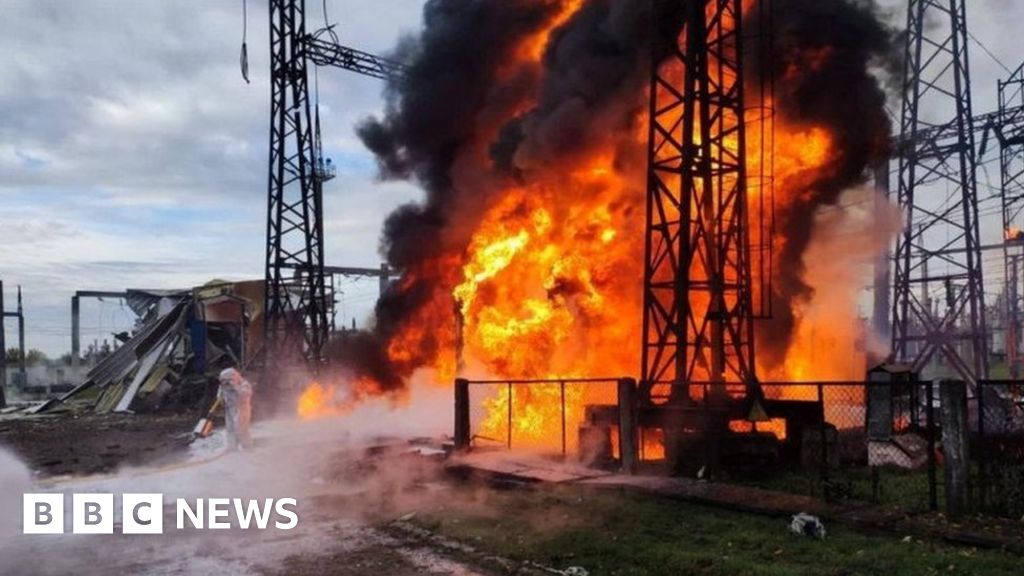
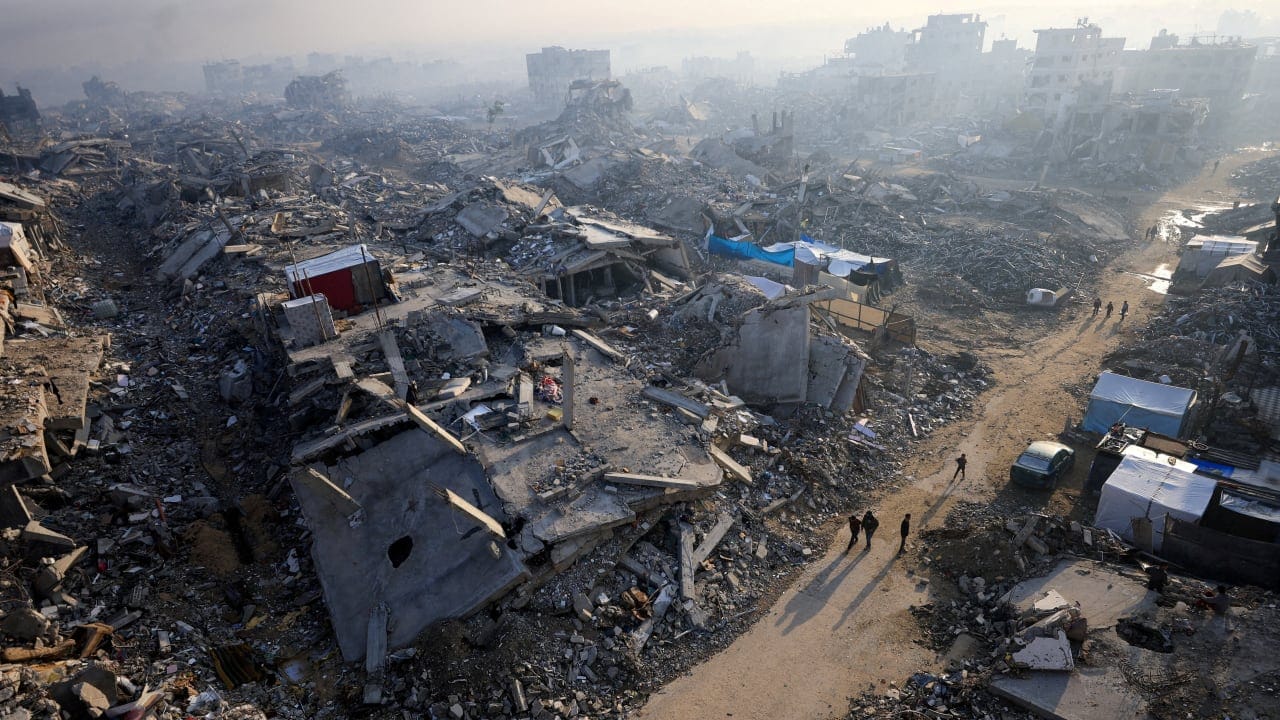
Relief groups report convoys slowed by security checks, damaged roads, and fuel shortages. Hospitals ration power as generators run dry. Water networks struggle to chlorinate supplies, elevating public health risks. Each day of fighting reduces warehouse stocks and delays medical evacuations. The longer the disarmament standoff lasts, the harder it becomes to stabilize basic services even after a ceasefire.
Displacement and Winterization
Tens of thousands remain displaced, many sheltering in schools or makeshift tents. With colder nights approaching, aid planners warn of hypothermia and respiratory illness. Temporary shelters need insulation and heaters, but fuel scarcity complicates distribution. Reconstruction funds will eventually flow, yet immediate shelter upgrades cannot wait for a political grand bargain.
Information Gaps
Connectivity outages hamper needs assessment. Humanitarian coordinators rely on intermittent reports to map damage and plan aid routes. A ceasefire without restored communications would leave responders flying blind, underscoring the need for protected corridors and telecom repairs baked into any agreement.
Diplomatic Tracks
Egypt and Qatar continue shuttle diplomacy, while US and EU envoys weigh incentives such as reconstruction financing and security guarantees. Draft proposals include phased ceasefires, hostage exchanges, and demilitarized zones monitored by multinational teams. The sticking points are sequencing and enforcement: who certifies compliance, how quickly violations trigger responses, and whether aid can bypass political bottlenecks.
Regional capitals also worry about spillover. Lebanese border skirmishes and Red Sea shipping threats keep insurers on edge. A durable Gaza arrangement would calm multiple fronts, but partial deals could shift tensions rather than resolve them.
Hamas Disarmament Standoff Scenarios
Scenario 1: Phased Ceasefire with Conditional Disarmament
In this scenario, Hamas accepts a timeline to dismantle rocket stockpiles after a verified ceasefire, tied to prisoner swaps and aid scaling. Israel pauses major operations but retains quick-reaction forces. Success hinges on credible monitors and rapid aid surges to show civilians a peace dividend.
Scenario 2: Continued Operations, No Deal
Fighting continues, eroding infrastructure and deepening humanitarian crisis. Israel might reduce air sorties to limit collateral damage while intensifying raids on specific targets. Hamas uses tunnels and urban terrain to prolong resistance. International pressure grows, but trust collapses, making future diplomacy harder.
Scenario 3: Interim Humanitarian Pause
A limited pause allows hostage releases and aid deliveries without a full disarmament pledge. This buys time but risks becoming a cycle of brief lulls followed by renewed strikes. Both sides could exploit pauses to reposition, prolonging instability.
Economic and Energy Ripples
Investors watch regional risk premiums. Insurers have raised rates for shipping near conflict-adjacent waters. Energy traders monitor potential disruptions to gas projects in the Eastern Mediterranean. Even without direct attacks on infrastructure, perception of risk influences capital flows, delaying exploration and pipeline upgrades. A credible ceasefire with disarmament sequencing would cool premiums, but every rocket launch or strike keeps volatility elevated.
Technology and Surveillance Layer
Israel relies on sensor grids, drones, and AI-assisted targeting to map tunnels and rocket sites. Hamas counters with decoys and underground routes. Any future verification regime will lean on digital tools: satellite imagery to confirm troop movements, secure messaging for deconfliction, and data-driven aid tracking to prevent diversion. Privacy advocates warn that surveillance frameworks built for ceasefire enforcement could linger, shaping civil liberties in Gaza long after guns fall silent.
Why This Matters Beyond Gaza
The conflict tests norms on proportionality, urban warfare, and protection of civilians. It stresses humanitarian supply chains and challenges how international law adapts to asymmetric combat. A workable disarmament formula could become a template for other conflicts involving non-state actors; failure could normalize prolonged sieges without political exits.
Signals to Watch Next Week
- Changes in rocket launch frequency and Israeli strike tempo, indicating whether pressure is escalating or easing.
- Hostage negotiation leaks from mediators, revealing if sequencing gaps are narrowing.
- Aid convoy throughput at key crossings, a proxy for ground stability and bureaucratic cooperation.
- Statements from regional leaders on security guarantees or reconstruction pledges.
- Insurance rate shifts for Eastern Mediterranean shipping lanes, reflecting perceived de-escalation.
Pro Tips for Policy and Aid Planners
- Insist on time-stamped benchmarks linked to measurable indicators like aid tonnage and troop repositioning.
- Embed rapid arbitration panels so alleged violations do not derail the entire ceasefire framework.
- Secure fuel corridors early; without power and water, civilian harm escalates even during pauses.
- Invest in redundancy for communications to maintain situational awareness during partial blackouts.
- Pair reconstruction funds with transparency dashboards to build trust among donors and locals.
Bottom Line
The Hamas disarmament standoff is less about weapons than about guarantees. Israel seeks durable security; Hamas demands assurances it will not be struck once it lowers its guard. Civilians bear the cost while diplomats race the clock. Any breakthrough must align sequencing, monitoring, and humanitarian imperatives or risk repeating the cycle of ceasefire and collapse. The coming days will reveal whether military pressure and political bargaining can converge into a plan that silences weapons and opens space for recovery.
The information provided in this article is for general informational purposes only. While we strive for accuracy, we make no guarantees about the completeness or reliability of the content. Always verify important information through official or multiple sources before making decisions.