Iran Ceasefire Shakes Under Blame Game
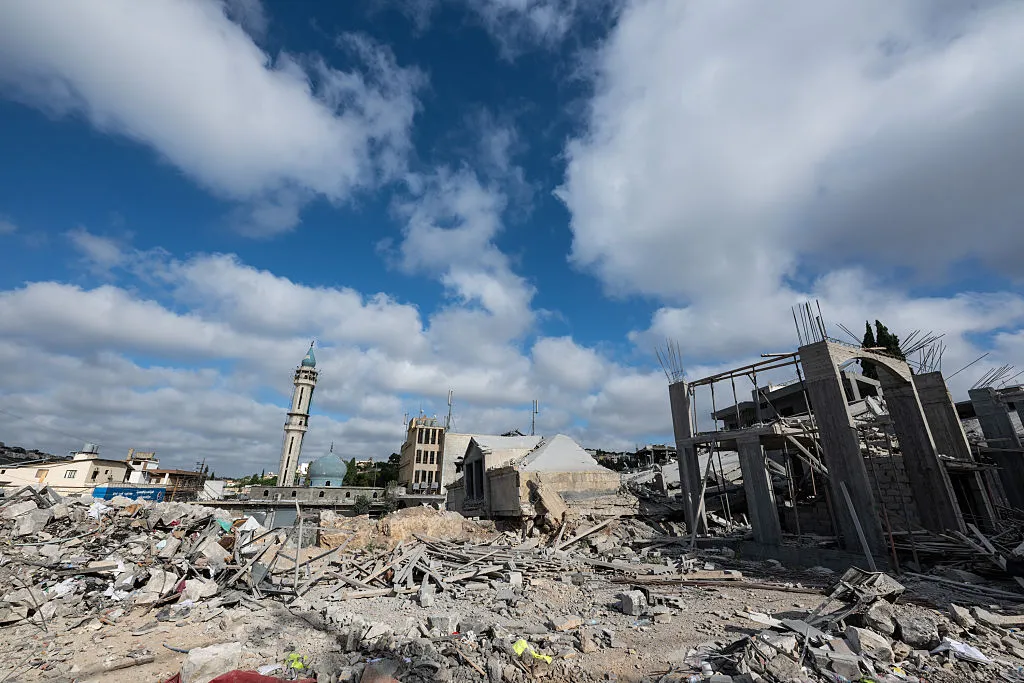
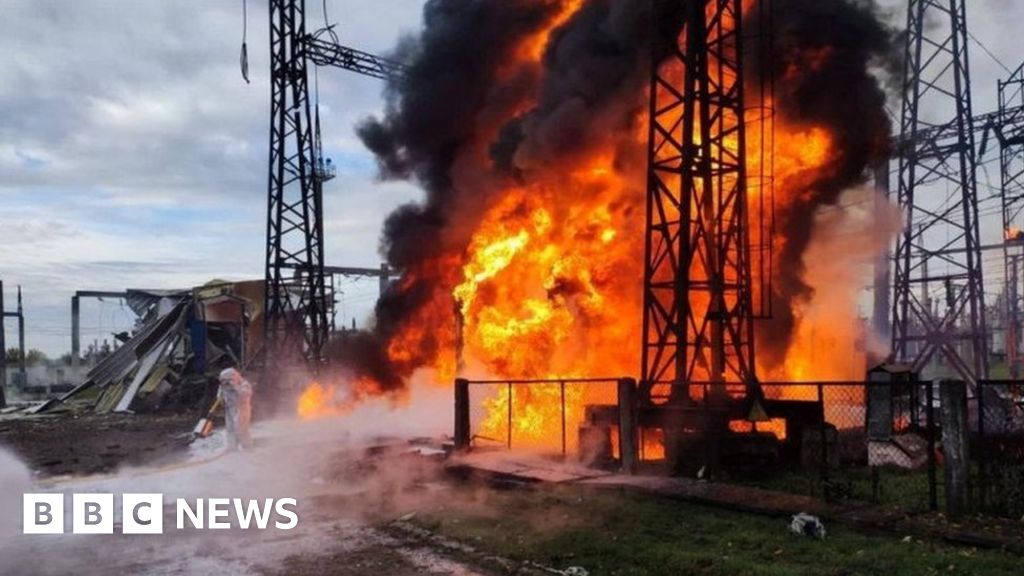
The Iran ceasefire is already looking less like a turning point and more like a stress test. Within hours of new attacks, Tehran and Washington were doing what adversaries do best: trading blame, hardening narratives, and leaving the public to guess how close the truce is to collapse. That matters because ceasefires do not usually fail in a single dramatic moment. They erode through ambiguity, miscalculation, and political theater. When both sides treat every blast as proof of the other side’s bad faith, the diplomatic room narrows fast. For regional actors, commercial markets, and civilians caught in the middle, the difference between a shaky pause and a real peace process is measured in minutes, not months. The current standoff is a reminder that fragile agreements need more than signatures. They need enforcement, restraint, and a believable path forward.
- The ceasefire is under immediate pressure from renewed violence and mutual accusations.
- Both Iran and the US appear more focused on narrative control than de-escalation.
- Fragile truces often fail when verification and enforcement are weak.
- Regional spillover risk remains high if the blame game keeps escalating.
- The next few days will likely determine whether this pause becomes durable or disappears.
Why the Iran ceasefire is wobbling so quickly
What makes this moment dangerous is not simply the violence itself, but the speed with which the politics around it have hardened. A ceasefire only works when both sides believe restraint is cheaper than retaliation. Right now, that calculation looks shaky. Iran wants to frame itself as acting defensively and preserving sovereignty. The US wants to signal that any attack on its interests or partners will be met with consequences. Those are not just talking points. They are strategic messages aimed at domestic audiences, allies, and adversaries watching for weakness.
The problem is that blame has become a substitute for mechanism. If there is no trusted channel to investigate attacks, confirm ceasefire violations, or separate isolated incidents from deliberate escalation, every strike becomes evidence of bad intent. That turns a volatile borderless conflict into a narrative war, where each side uses the same event to justify its next move.
Expert insight: A ceasefire without verification is not peace. It is a pause held together by fear, exhaustion, and political convenience.
How blame turns a ceasefire into a pressure cooker
At first glance, mutual accusations may sound like routine diplomatic noise. They are not. In a high-stakes conflict, blame shapes the battlefield. It can unlock retaliation, silence moderates, and make compromise look like surrender. That is especially true when both governments are under pressure from domestic constituencies that reward toughness and punish ambiguity.
Iran’s message to the region
For Tehran, the public line is likely aimed at showing resolve. A government that appears reactive or cornered risks looking vulnerable at home and abroad. By placing responsibility on the US or its partners, Iran can signal that it will not accept unilateral pressure. But that strategy comes with a cost: every forceful statement makes it harder to de-escalate later without looking inconsistent.
Washington’s signaling problem
The US, meanwhile, faces a familiar dilemma. It wants to deter further attacks without getting dragged into a wider confrontation. That requires precise messaging, but precision is hard when the facts on the ground are contested and emotions are running hot. If Washington overstates certainty too quickly, it can undermine credibility later. If it waits too long, it may look weak. Either way, the messaging window is narrow.
This is where ceasefire management matters as much as diplomacy itself. The most durable truces usually include direct communication lines, incident review procedures, and clear consequences for violations. Without those, each side improvises in public, and improvisation in a crisis usually means escalation.
What makes a fragile truce collapse
There are a few common failure points that can sink any temporary deal, and this one appears to be hitting several at once.
- Verification gaps: If no neutral or trusted process exists to confirm who struck first, blame becomes impossible to settle.
- Command ambiguity: Local commanders, allied militias, or proxy actors can spoil a ceasefire even when central leaders want restraint.
- Domestic pressure: Leaders often respond to public anger by adopting harder positions, even if that worsens the strategic picture.
- Message drift: Mixed signals from officials can create confusion about whether the truce is still intact.
- Retaliation logic: Once one side strikes back, the other side may claim the ceasefire has effectively ended.
The danger is that a single attack can become a cascade. A strike triggers an accusation, the accusation triggers a counterstrike, and the counterstrike is then used to justify even more force. By the time leaders want to reverse course, they may have boxed themselves in politically.
Why the Iran ceasefire matters beyond the immediate headlines
This is not just a bilateral story. Every shaky ceasefire in the Middle East sends shockwaves through energy markets, shipping routes, security alliances, and humanitarian planning. Traders watch these episodes for signs of supply disruption. Regional governments watch for spillover. Civilians watch for the return of airstrikes, displacement, and shortages. When a ceasefire frays, it does not only affect the armies involved. It alters risk calculations across the region.
The broader strategic issue is that temporary truces are becoming harder to sustain in a media-saturated conflict environment. Social platforms, live updates, and instant official statements compress the timeline between incident and response. Leaders are often forced to react before they have a full picture. That makes room for misinformation, overreaction, and political grandstanding. In practice, the speed of information can be just as destabilizing as the attacks themselves.
Key point: The faster the blame cycle, the shorter the lifespan of a ceasefire.
What to watch next
The next phase will tell us whether this is a serious unraveling or just another dangerous flare-up. There are several signals worth tracking closely.
Watch for backchannel diplomacy
If the ceasefire is going to survive, the real work will happen out of public view. Quiet messages through intermediaries, military hotlines, or regional mediators are often more important than official statements. When public rhetoric gets louder, private channels become the only way to prevent miscalculation.
Watch for restraint in the field
Words matter, but actions matter more. A lull in strikes, fewer aggressive patrols, or visible discipline from allied groups would suggest leaders are still trying to preserve the truce. Escalatory deployments, on the other hand, usually mean the ceasefire is becoming performative rather than functional.
Watch for a shared narrative framework
Sometimes a ceasefire survives because both sides agree to disagree publicly while keeping the practical arrangement alive. That requires enough narrative flexibility for each side to claim it is defending its interests without forcing a public break. If either side insists on total vindication, the agreement becomes much harder to maintain.
Pro tips for reading crisis diplomacy like an analyst
If you want to make sense of a fragile truce before it snaps, focus less on the headline drama and more on the mechanics.
- Track whether officials mention verification, coordination, or mediator involvement.
- Look for language shifts from restraint to punishment, which often signal a policy turn.
- Separate confirmed incidents from claims of responsibility, especially in the first hours after an attack.
- Pay attention to whether military and civilian officials are speaking with one voice.
- Watch regional actors, because proxy responses often tell you more than official statements.
That approach is useful because conflict reporting often overweights the loudest statement and underweights the underlying structure. A ceasefire is only as strong as the systems behind it. If those systems are weak, the agreement becomes a branding exercise rather than a real stabilizing force.
What this says about the future of conflict management
The Iran-US confrontation underscores a broader reality: modern ceasefires are increasingly fragile because they are operating in an environment of dense rivalries, armed proxies, and instantaneous information flow. Diplomatic pauses can still work, but only if they are treated as operating systems, not press releases. That means constant maintenance, clear escalation channels, and enough trust to investigate incidents before responding to them.
Without that infrastructure, every truce risks becoming a short-lived reset between rounds of confrontation. And that is the real danger here. Not that diplomacy has failed entirely, but that it has become too thin to absorb the shock of the next incident.
If the current Iran ceasefire survives, it will be because both sides decided that containment was still cheaper than escalation. If it fails, the collapse will likely look familiar: a disputed attack, a rapid blame cycle, a retaliatory move, and then a wider regional anxiety that no one can fully control. That is how fragile peace breaks – not with one giant explosion, but with a series of smaller ones that everyone sees coming and nobody stops in time.
The information provided in this article is for general informational purposes only. While we strive for accuracy, we make no guarantees about the completeness or reliability of the content. Always verify important information through official or multiple sources before making decisions.