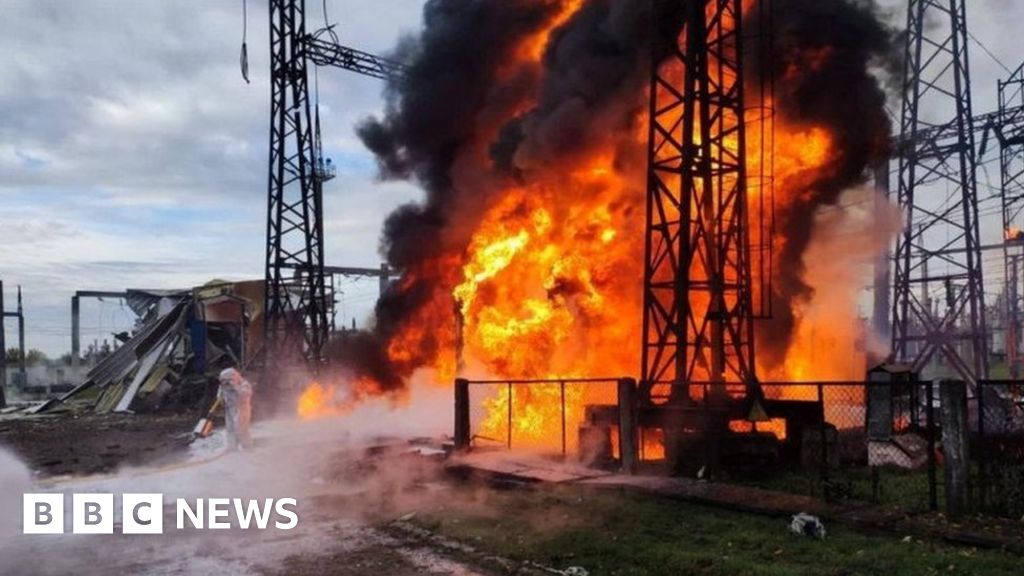
Iran conflict jolts global food security
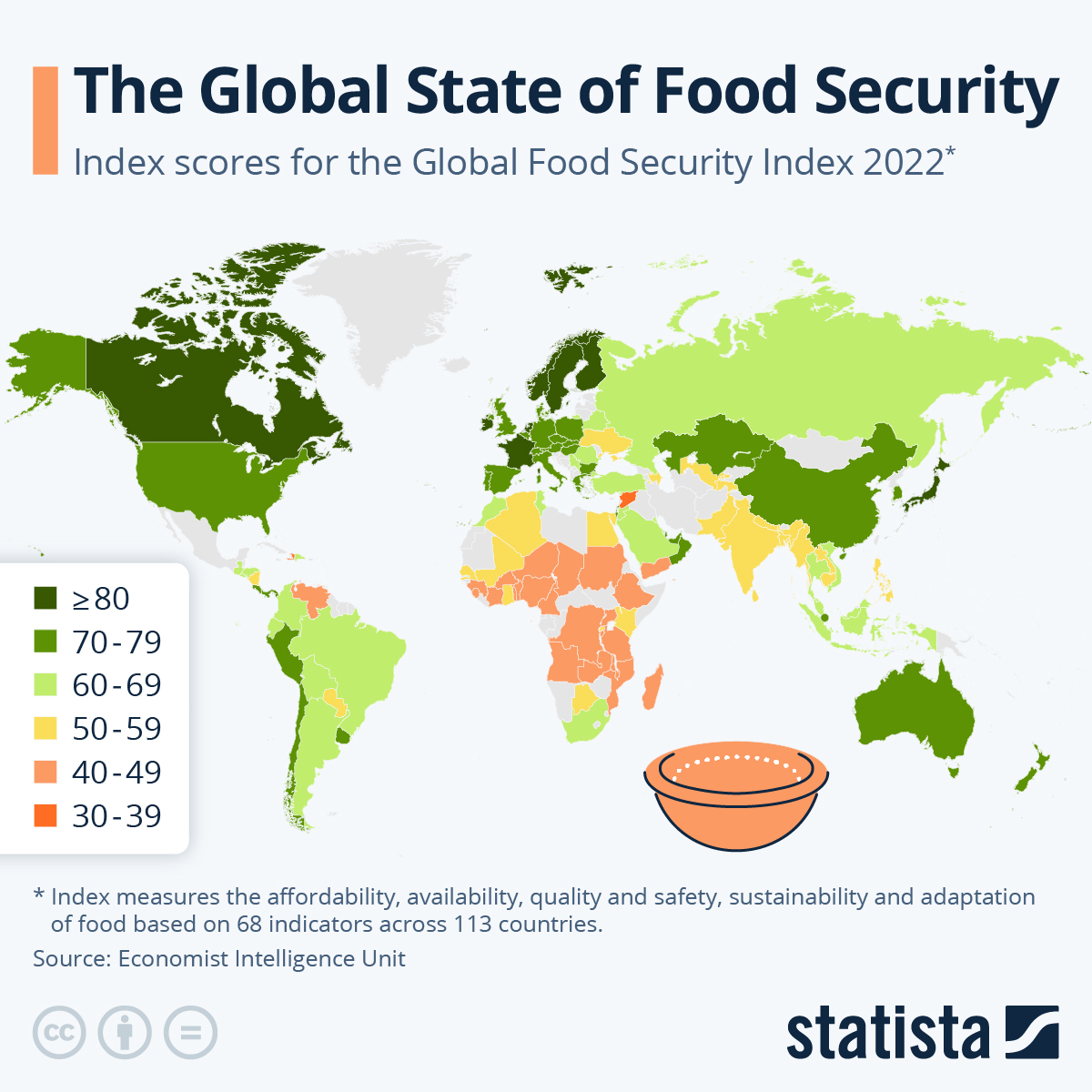
Global food security is suddenly back on a knife edge as the Iran conflict drags shipping insurers, grain traders, and fertilizer suppliers into a risk spiral. The shock is not just about missiles; it is about how quickly a regional war can fracture supply chains that keep wheat, rice, and cooking oil flowing. Ports tighten protocols, premiums on ton-mile routes rise, and smallholder farmers face volatile input costs. The world learned hard lessons during the pandemic, yet buffer stocks remain thin and climate stress is already eroding harvests. The question now is whether governments and companies can move faster than the conflict narrative to stabilize prices before households pay the bill.
- Choke points from the Gulf to the Black Sea raise freight costs and timelines for grain deliveries.
- Energy volatility lifts fertilizer and transport prices, squeezing margins for farmers and millers.
- High premiums and sanctions compliance create a credit crunch for import-dependent nations.
- Strategic reserves and diversified sourcing are the fastest levers to blunt price shocks.
Why the Iran war threatens global food security
Food systems depend on predictable maritime corridors and cheap energy. When a regional conflict intersects both, price spikes hit faster than policymakers can convene. The Iran war is doing exactly that by layering geopolitical risk onto already fragile climate-affected harvests. Traders are revisiting models built on stable strait-of-hormuz traffic, while food importers with limited currencies scramble to secure forward contracts before premiums rise again.
Choke points and shipping lanes under strain
The Gulf and Red Sea host arteries for bulk grain, edible oil, and livestock feed. Any hint of strikes near these lanes pushes insurers to raise war risk premiums, and charterers reroute vessels around the Cape of Good Hope. That detour adds weeks, forces higher fuel burn, and reduces fleet availability. For countries dependent on monthly grain arrivals, a delayed convoy means bakery shutdowns and rationing. Even when ships sail, heightened inspection regimes slow discharge, turning ports into bottlenecks just as harvest gaps in Africa and Asia widen.
Energy prices feed inflation everywhere
Food inflation is energy inflation in disguise. Diesel moves harvesters and trucks; natural gas underpins ammonia and urea production. A conflict-driven spike in Brent prices cascades into fertilizer invoices denominated in dollars. Importers with weak currencies face a double hit: pricier energy inputs and steeper debt servicing. When fertilizer application drops, yields slip a season later, tightening supply just as consumers brace for higher bread and rice bills. Central banks then juggle rate hikes against social stability, recreating the feedback loop that defined past food crises.
Fertilizer dependency as a hidden fault line
Several regions rely on a handful of suppliers for nitrogen and potash. Sanctions, shipping delays, or payment complications tied to the Iran war can freeze these flows. Smallholder farmers rarely have credit lines to pre-buy inputs; they buy in-season, at whatever price the market dictates. That puts food production at the mercy of distant diplomatic decisions. The longer uncertainty lingers, the more likely farmers switch to lower input crops, reducing caloric output even if acreage stays constant. It is a slow-moving shock that policymakers often underestimate.
Key insight: Supply chain resilience is less about heroics during a crisis and more about boring redundancy built months before the headlines.
Ripple effects across agri-tech and logistics
Modern food supply chains rely on digital visibility, predictive models, and just-in-time delivery. Conflict-induced volatility exposes every weak link. Platforms that track vessel-eta and inventory-reorder points suddenly operate with noisy data, forcing manual overrides. Logistics teams negotiate with insurers while hedging freight futures, a skill set many agribusinesses are still building.
Freight markets and floating storage
When vessels queue outside safer ports, floating storage becomes a temporary buffer. That ties up tonnage and drives charter rates higher, especially for handysize and panamax segments critical to grain. Some traders attempt time charters to lock capacity, but smaller importers cannot match those bids. The result is uneven access to supply: large incumbents secure ships, while emerging markets face sporadic deliveries and higher consumer prices. This disparity can fuel political unrest in nations already wrestling with inflation.
Insurance, compliance, and the cost of paperwork
War clauses, sanctions screening, and know-your-cargo requirements now add days to transaction cycles. Each document check increases demurrage risk. For private millers and feed producers, that lag ties up working capital, especially when letters of credit must be reissued with new risk premiums. Fintech-led trade platforms can streamline some steps, but their adoption in frontier markets remains low. Until that gap closes, bureaucracy will remain a hidden tax on food.
Data models meet real-world unpredictability
Predictive tools trained on historical freight and weather data are struggling with the new variable of conflict-driven rerouting. Forecast errors widen, making procurement teams overbuy as a hedge. That behavior amplifies price swings because demand appears higher than consumption, pulling cargoes away from markets that cannot overpay. Updating models to ingest live security alerts and port congestion data is now an urgent task for any logistics stack claiming resilience.
What governments and businesses should do now
Mitigating risk requires coordinated action across reserves, financing, and technology. Waiting for ceasefires to lower premiums is not a strategy. Policy teams and supply chain leads need to treat this as a multi-quarter disruption, not a temporary blip.
Rebuild buffer stocks with smarter triggers
Strategic reserves work only when replenished before panic sets in. Governments should tie buffer-stock purchases to objective triggers like freight rate thresholds and fertilizer price indices, rather than political calendars. Transparent release rules help private sector actors plan around public interventions, reducing hoarding behavior. Digital audits of silo conditions and rotation schedules can prevent spoilage while keeping the public informed about inventory health.
Diversify fertilizer sources and financing
Offsetting nitrogen exposure means contracting with multiple suppliers across regions and encouraging domestic blending plants. Development banks and sovereign funds can underwrite partial risk guarantees so small importers can access credit at reasonable spreads. Encouraging regenerative practices that cut reliance on synthetic inputs can also reduce vulnerability, but these transitions require extension services and time. In the interim, bulk purchasing clubs among neighboring states can secure better terms and share logistics assets.
Harden the logistics tech stack
Supply chain visibility tools should integrate security advisories, satellite congestion data, and dynamic route-optimization engines so dispatchers can reroute cargo before risks crystallize. Contracts with carriers need clearer service level agreements tied to risk zones, with pre-negotiated surcharges to avoid last-minute renegotiations. Investing in shore-based storage near secondary ports can create agility when primary hubs slow down. These moves cost less than emergency airlifts when shelves run empty.
Future outlook for global food security
Even if the Iran war cools, the structural lesson is clear: food systems cannot rely on a narrow set of corridors and fossil fuel inputs. Climate stress will keep tightening yield windows, and geopolitical friction will periodically spike freight costs. The priority is to turn resilience from a talking point into an operating standard.
Price volatility as the new normal
Expect grain and fertilizer markets to trade with higher implied volatility for the next few seasons. That calls for better hedging literacy among producers and importers alike. Governments can support this with training and by allowing flexible margin rules for essential food hedges, reducing the risk of forced liquidations during price spikes. Consumer subsidies should be targeted and temporary, paired with transparency on how long support will last.
Collaboration beats isolation
Regional food corridors, shared storage, and coordinated procurement reduce the leverage of any single choke point. Cross-border digital customs can accelerate clearance, while mutual recognition of quality standards cuts duplication. The more countries treat food security as a collective infrastructure project, the harder it becomes for any conflict to weaponize scarcity. The Iran war is a stark reminder that resilience is built before crises, not during them.
The information provided in this article is for general informational purposes only. While we strive for accuracy, we make no guarantees about the completeness or reliability of the content. Always verify important information through official or multiple sources before making decisions.