Iran Escalates Doomsday War Warning
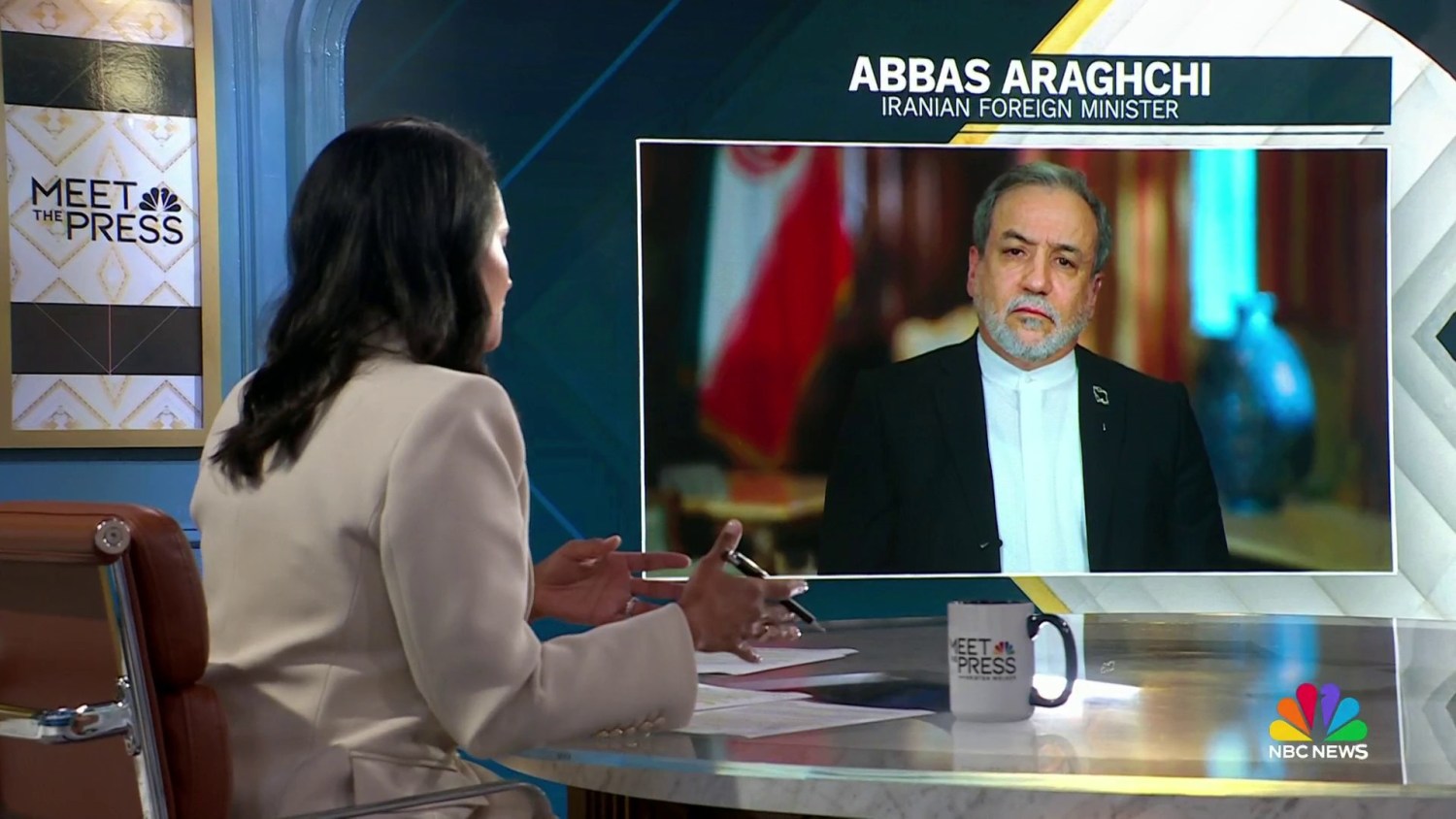
Iran Escalates Doomsday War Warning
The phrase Iran doomsday war is not just another inflammatory sound bite in a crowded conflict cycle. When Iran’s foreign minister signals that Tehran is ready for an extreme confrontation, the message is aimed at multiple audiences at once: Washington, Israel, Gulf capitals, European diplomats, domestic hardliners, and ordinary Iranians bracing for the cost of another escalation. The danger is not that war is suddenly inevitable. The danger is that leaders on all sides may begin acting as if it is. In a region already strained by proxy conflicts, missile exchanges, sanctions pressure, nuclear brinkmanship, and collapsing diplomatic trust, a phrase like this functions less like rhetoric and more like a test of resolve. The question is whether it deters conflict or normalizes the idea of one.
- Iran’s warning is a deterrence signal, designed to show that Tehran will not fold under pressure.
- The risk is miscalculation: dramatic language can harden positions and reduce room for diplomacy.
- Regional actors are watching closely, especially Israel, Gulf states, and groups aligned with Iran.
- The nuclear file remains central, because military threats and diplomatic collapse often reinforce each other.
- The next phase may depend on backchannels, not public speeches.
Why the Iran Doomsday War Warning Lands Differently Now
Iranian officials have long used maximalist language during moments of pressure. What makes this moment more volatile is the broader strategic environment. The Middle East is no longer operating within a stable crisis-management framework. Conflicts overlap. Militias, state militaries, intelligence services, and diplomatic channels all move simultaneously. A warning from Tehran no longer stays confined to Tehran.
When Foreign Minister Abbas Araghchi says Iran is ready for a so-called doomsday war, the phrase should be read as part of a broader doctrine of deterrence. Iran wants adversaries to believe that any attack on its territory, nuclear infrastructure, leadership, or strategic allies could trigger an unacceptable response. That response could involve ballistic missiles, drones, naval disruption, cyber operations, or the activation of partner forces across the region.
Key insight: The most dangerous rhetoric in geopolitics is often not the threat itself. It is the uncertainty over whether the threat is symbolic, operational, or already baked into military planning.
This is why the statement matters beyond its headline shock value. It is not simply about whether Iran wants war. Most governments do not seek catastrophic conflict as a first choice. It is about whether Iran believes the threat of catastrophic conflict is necessary to prevent one.
The Iran Doomsday War Message Is Built for Multiple Audiences
Statements like this are rarely one-dimensional. Tehran is speaking outward and inward at the same time. To foreign governments, the message is: do not assume Iran is vulnerable, isolated, or unwilling to absorb pain. To domestic audiences, it is: the state remains defiant and capable. To allies and aligned groups, it is: the center is holding.
Washington hears a deterrence challenge
For the United States, the warning complicates an already fragile calculation. Washington wants to contain Iran’s regional influence, protect partners, defend shipping lanes, and prevent a nuclear breakout, while avoiding a major regional war. That balancing act becomes harder when public threats raise the political cost of restraint.
If US officials respond too aggressively, they risk feeding Tehran’s narrative of encirclement. If they respond too softly, critics may frame it as weakness. This is the classic trap of crisis signaling: each side tries to appear rational but firm, and each new statement narrows the space for compromise.
Israel hears an operational warning
Israel is likely to interpret Iran’s language through the lens of immediate security threats. That includes Iran’s missile capabilities, nuclear progress, and support for armed groups across the region. For Israeli planners, the question is not whether the statement is theatrical. The question is whether it reflects a shift in Iran’s threshold for retaliation.
That matters because pre-emption and deterrence are often separated by a thin line. If Israeli leaders believe Iran is becoming more willing to escalate, they may see earlier action as safer than waiting. If Iran believes Israel is preparing a strike, Tehran may move assets, harden facilities, or raise its own readiness. This is how crises accelerate without a formal decision for war.
Gulf states hear a stability alarm
Gulf governments have spent years trying to reduce exposure to regional shocks while building new economic identities around technology, finance, tourism, and logistics. A major confrontation involving Iran would threaten energy markets, shipping routes, aviation, investment confidence, and domestic security.
Even states that oppose Iranian policy do not necessarily want a direct war on their doorstep. Their strategic preference is often containment without combustion. That makes them especially sensitive to language suggesting a worst-case conflict scenario.
What Doomsday Rhetoric Actually Does
The phrase doomsday war is emotionally loaded, but its strategic function is familiar. States use existential language to signal that their red lines are not negotiable. The problem is that such rhetoric can produce three unintended effects.
- It can reduce diplomatic flexibility. Leaders who frame a conflict in existential terms may find it harder to accept partial compromises later.
- It can encourage adversaries to test resolve. Opponents may probe whether the rhetoric is real or performative.
- It can spook markets and allies. Even if war does not follow, uncertainty carries economic and political costs.
There is also a domestic political dimension. In highly securitized environments, hardline language can strengthen internal cohesion. It can rally supporters, marginalize critics, and portray compromise as betrayal. But that same dynamic can make diplomacy more difficult when diplomacy is most needed.
The Nuclear File Is the Shadow Behind the Threat
No analysis of this warning is complete without the nuclear context. Iran’s nuclear program remains one of the central drivers of confrontation with Western powers and Israel. The collapse of trust around inspections, enrichment levels, sanctions relief, and verification has left all sides operating with deep suspicion.
Terms like uranium enrichment, breakout time, and International Atomic Energy Agency safeguards are not abstract technicalities. They shape military planning. If adversaries believe Iran is moving closer to a nuclear weapons capability, pressure for coercive action rises. If Iran believes sanctions and threats are designed to force regime-level concessions, it has incentives to double down.
Editorial view: The nuclear issue is not merely a file on a diplomat’s desk. It is the engine underneath much of the region’s escalation risk.
The danger is circular. Military threats push Iran to emphasize deterrence. Iran’s deterrence posture then reinforces fears that its nuclear program has strategic military intent. Those fears invite more sanctions, covert action, and military planning, which Tehran uses to justify more defiance.
Why This Matters for the Region and the World
A direct conflict involving Iran would not remain local. It could affect oil prices, shipping through critical waterways, global inflation, insurance costs, airline routes, and the domestic politics of countries far beyond the Middle East. Even a limited exchange could trigger cascading responses from aligned groups, cyber actors, or naval units.
The modern Middle East is connected through networks of pressure. A drone attack in one country can alter diplomatic talks in another. A sanctions vote can influence militia posture. A naval incident can move commodity markets within minutes. That interconnectedness makes doomsday rhetoric especially hazardous.
Pro tip for reading escalation signals
Do not focus only on the most dramatic phrase. Watch for material changes: troop movements, air defense deployments, embassy warnings, maritime advisories, sanctions packages, emergency parliamentary sessions, and shifts in official travel. Rhetoric matters, but capability and positioning matter more.
In this case, the practical questions are straightforward. Is Iran changing its military posture? Are backchannel talks still active? Are regional partners urging restraint? Are the United States and Israel coordinating new red lines? Are Gulf states preparing contingency plans? These indicators will tell us more than a single headline.
The Diplomacy Problem Nobody Can Ignore
The most unsettling part of the current moment is not that Iran is issuing threats. It is that the diplomatic architecture to manage those threats is weaker than it used to be. Formal agreements have frayed. Trust is scarce. Domestic politics in multiple countries reward toughness more than compromise.
Yet diplomacy is not optional. Even adversaries need channels to clarify intent, exchange warnings, and prevent accidental escalation. Backchannels, third-party mediators, regional forums, and quiet security contacts can all reduce the chance that a symbolic move is mistaken for an opening strike.
The uncomfortable reality is that public messaging and private diplomacy often move in opposite directions. Leaders may speak loudly to preserve leverage while quietly exploring offramps. The public should be skeptical of both panic and complacency. A frightening phrase does not guarantee war, but it does raise the cost of diplomatic failure.
What Comes Next After the Iran Doomsday War Warning
The next phase will likely depend on whether the warning is followed by action or absorbed as part of the region’s harsh rhetorical baseline. If the statement remains rhetorical, it may serve as a pressure valve: a way for Tehran to project strength without crossing a military threshold. If it is paired with new deployments, proxy attacks, nuclear acceleration, or failed negotiations, the risk profile changes sharply.
For now, the smartest reading is neither alarmist nor dismissive. Iran is signaling that it wants adversaries to price in extreme consequences. That is classic deterrence behavior. But deterrence is only stable when all parties understand the signals, trust the channels, and believe there is still a way to step back.
The phrase doomsday war is designed to command attention. The real test is whether it also forces governments to rebuild the mechanisms that prevent doomsday from becoming policy.
The information provided in this article is for general informational purposes only. While we strive for accuracy, we make no guarantees about the completeness or reliability of the content. Always verify important information through official or multiple sources before making decisions.