Iran gambles on dirty fuels to survive its energy crunch
Iran gambles on dirty fuels to survive its energy crunch
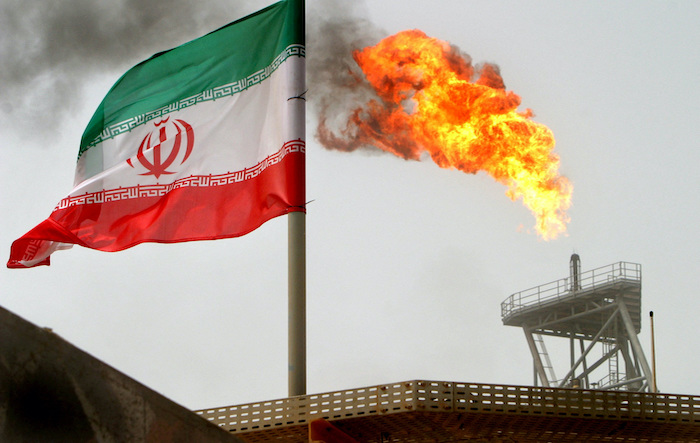
Gas shortfalls are not a distant risk for Tehran; they are already cutting power to factories and cities as winter demand collides with underfunded infrastructure. The Iran energy crisis is pushing one of the world’s largest gas holders to ration supplies, burn dirtier fuels, and rewire its trade relationships across Asia. For energy importers from Pakistan to China, the shock lands like a reminder that global supply chains are only as sturdy as their weakest pipeline. For investors, the stakes are simple: this squeeze could drive coal prices up, air quality down, and geopolitical friction higher unless Iran stabilizes its grid fast.
- Iran’s gas shortfall is forcing a pivot to coal and heavy fuel oil, exporting pollution and volatility.
- Asian buyers face price spikes as cleaner LNG gets diverted and dirtier fuels flood the market.
- Infrastructure neglect and sanctions leave Iran with few rapid fixes, making outages likely.
- Regional grids and shipping lanes could see cascading effects if the crunch persists.
How the Iran energy crisis cracked open
Iran holds vast gas reserves but decades of underinvestment, sanctions, and leak-prone pipelines have turned abundance into scarcity. Peak winter demand now outpaces supply, and aging compressors and gas flaring losses compound the gap. The government has responded with rolling blackouts, prioritizing households while cutting power to industry. That tradeoff has throttled manufacturing output and forced utilities to burn fuel oil and imported coal, reversing a decade of cleaner ambition.
Domestic demand outgrows supply
Population growth and subsidy-fueled consumption mean Iranian households use more gas per capita than many colder economies. The grid was built for oil, and gas retrofits never caught up. Transmission losses and the lack of smart metering leave planners guessing when to curtail. The result: cities experience sudden outages, while petrochemical plants idle, cutting export revenue and deepening the fiscal hole.
Sanctions pinch infrastructure
Sanctions have blocked access to advanced turbines, compressor stations, and financing. Local manufacturers fill some gaps, but efficiency lags. Without reliable pipeline integrity inspections and spare parts, leak rates rise, and maintenance outages stack. Each cold snap now pushes the system past its redline.
Asia feels the ripple from the Iran energy crisis
Iran’s pivot to dirtier fuels reshapes trade flows. With domestic gas stretched, Tehran redirects pipeline commitments and scours markets for coal and high-sulfur fuel oil. That scramble tightens supply for neighbors and distorts prices, while emissions blow across borders.
Coal demand spikes from an unlikely buyer
Iran’s sudden coal purchases nudge seaborne prices higher, colliding with seasonal Chinese and Indian demand. Smaller Southeast Asian economies that rely on spot cargoes face higher power costs. An analyst at an international brokerage noted, “When Iran enters coal tenders, it competes directly with South Asia, nudging up bids and squeezing utilities with limited hedging capacity.”
Tehran’s emergency burn of coal and
HSFOis effectively exporting smog to its neighbors, both via air currents and price inflation.
Fuel oil flows redraw shipping routes
Iran’s refiners are shipping more high-sulfur fuel oil east, seeking buyers in Pakistan and beyond. Some cargoes are blended or relabeled to skirt sanctions, adding opacity to maritime tracking and complicating compliance for insurers. Ship-to-ship transfers in the Gulf of Oman have surged, challenging regulators.
LNG markets brace for diversion
To cover the shortfall, Tehran eyes liquefied natural gas cargoes through intermediaries, shrinking availability for Bangladesh and Pakistan. Those buyers may lean harder on coal, compounding the emissions spike. The LNG market is already tight from European restocking, so each diverted cargo lifts spot prices.
Why this crunch matters beyond Iran
Energy security has become a chain of brittle links. Iran’s crunch shows how quickly a single node can force entire regions to backslide on climate goals. It also signals that sanctioned states will take the quickest, dirtiest path to keep lights on, regardless of Paris pledges.
Climate commitments versus survival mode
Iran had promised to curb flaring and expand renewables, but emergency coal use makes those targets look distant. Neighbors that rely on imported gas will reconsider their own fuel mixes, potentially delaying coal retirements. This feedback loop risks locking Asia into higher emissions through the decade.
Supply chain opacity as a risk factor
Shadow fleets and opaque cargo blends erode transparency. Compliance teams now must monitor not just origin but intermediate transfers. That raises insurance costs and legal risk for refiners and utilities across Asia. Financial institutions may respond by tightening credit lines for traders exposed to Iranian barrels, constraining liquidity.
Pro tips for policymakers and operators
There is no quick fix, but lessons are emerging for regulators, utilities, and investors trying to navigate the turbulence.
- Accelerate leak detection and
compressor stationupgrades to recover lost gas cheaply. - Deploy
demand responseto shift industrial load away from peak heating hours. - Prioritize grid interconnections that allow emergency power swaps without long-term coal reliance.
- Insist on cargo traceability to avoid sanction exposure and quality surprises in
HSFO. - Use carbon pricing floors to prevent crisis-driven coal pivots from becoming permanent.
Scenario analysis: where the Iran energy crisis goes next
Several paths are plausible, each with distinct implications for energy security and markets.
Stabilization through incremental fixes
If Iran patches leaks, adds modular gas processing, and enforces consumption caps, domestic supply could stabilize by next winter. Coal imports would ease, and regional price pressure would moderate. This requires political will to reform subsidies and invite limited foreign technical help under sanctions constraints.
Entrenched shortages and coal lock-in
Should subsidy reform stall and equipment deficits widen, shortages could persist for years. Utilities would keep burning coal and fuel oil, making air quality worse from Tehran to Karachi. Asia’s seaborne coal market would remain tight, complicating the region’s net-zero timelines.
Geopolitical pivot to new suppliers
Iran could deepen ties with Russia or Central Asia to backfill gas. That move would carry geopolitical strings and potential pricing volatility. Pipelines through conflict-prone corridors would add security risk. Meanwhile, Gulf producers might win market share in LNG at higher prices.
What to watch next
Investors and operators should monitor a short list of signals that reveal which scenario is unfolding.
- Monthly
gas productiondata from South Pars phases and maintenance schedules. - Port call patterns for
coalandHSFOtankers at Bandar Abbas and Chabahar. - Air quality indices in Tehran and Karachi that would reflect regional burn patterns.
- Subsidy reform debates in Iran’s parliament that could reshape demand curves.
- Insurance premium shifts for vessels flagged in ship-to-ship transfers near the Strait of Hormuz.
Why investors should care
The Iran energy crisis is not just a local story; it is a stress test for the credibility of Asia’s decarbonization timelines. Each coal cargo Tehran buys tightens supply for everyone else, pushing up power prices and delaying renewable investments. If shortages persist, carbon markets could react with higher prices, and ESG funds may reevaluate exposure to utilities leaning on coal. On the flip side, equipment suppliers for leak detection, gas processing, and grid automation could see a demand surge.
Energy crunches rarely stay contained; they redraw trade maps, rewrite climate math, and reorder geopolitical alliances.
How to future-proof against similar shocks
Regional planners can treat Iran’s crunch as a live-fire drill. Diversifying fuel mix, investing in grid flexibility, and hardening against geopolitical disruptions are no longer optional.
Grid flexibility as first defense
Interconnectors that allow quick power swaps can blunt shortages without resorting to coal. Pairing them with battery storage and fast-ramping gas turbines provides a buffer against demand spikes. Regulators should streamline permits for such projects while enforcing emissions safeguards.
Data transparency to reduce risk
Standardizing reporting on fuel oil blends, cargo origins, and emissions can lower compliance costs and reduce the appeal of shadow fleets. Public dashboards for pipeline outages and capacity would let utilities plan better and reduce panic buying.
Demand-side modernization
Retrofits like smart thermostats, industrial heat recovery, and building insulation can shave peak loads. Iran’s crisis shows that wasting cheap fuel today creates expensive emergencies tomorrow. Subsidy reform that rewards efficiency is the fastest win.
The bottom line
Iran’s scramble to keep lights on with coal and fuel oil is a warning shot for Asia’s energy planners. Abundance on paper does not prevent scarcity when infrastructure decays and policy favors consumption over resilience. The region’s clean energy transition now has to contend with a new wild card: a major gas holder acting as an opportunistic buyer of the dirtiest fuels. The smart money will track the signals, price the volatility, and invest in flexibility before the next cold snap turns another grid fragile.
The information provided in this article is for general informational purposes only. While we strive for accuracy, we make no guarantees about the completeness or reliability of the content. Always verify important information through official or multiple sources before making decisions.