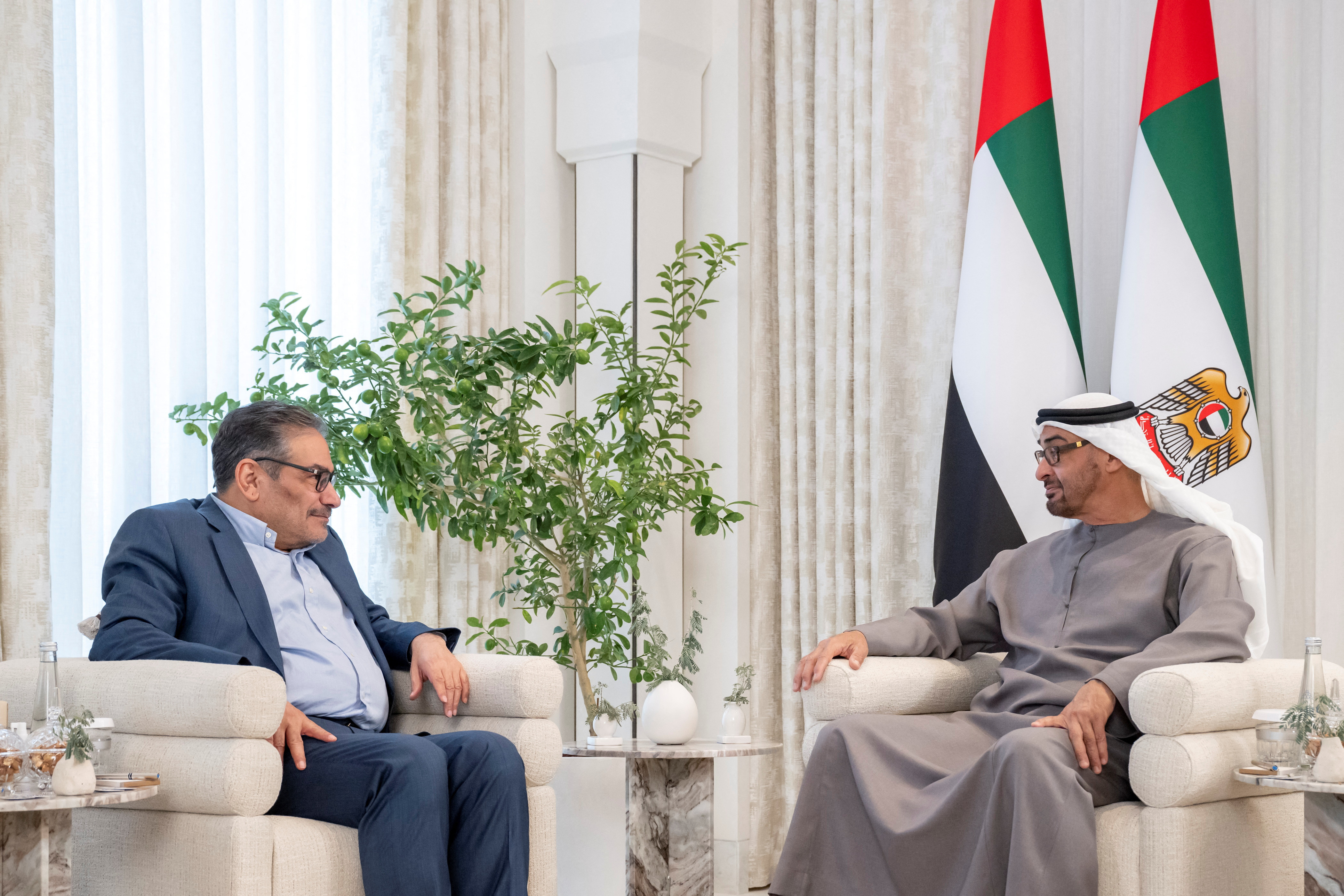
Iran Gulf Talks Reshape Power
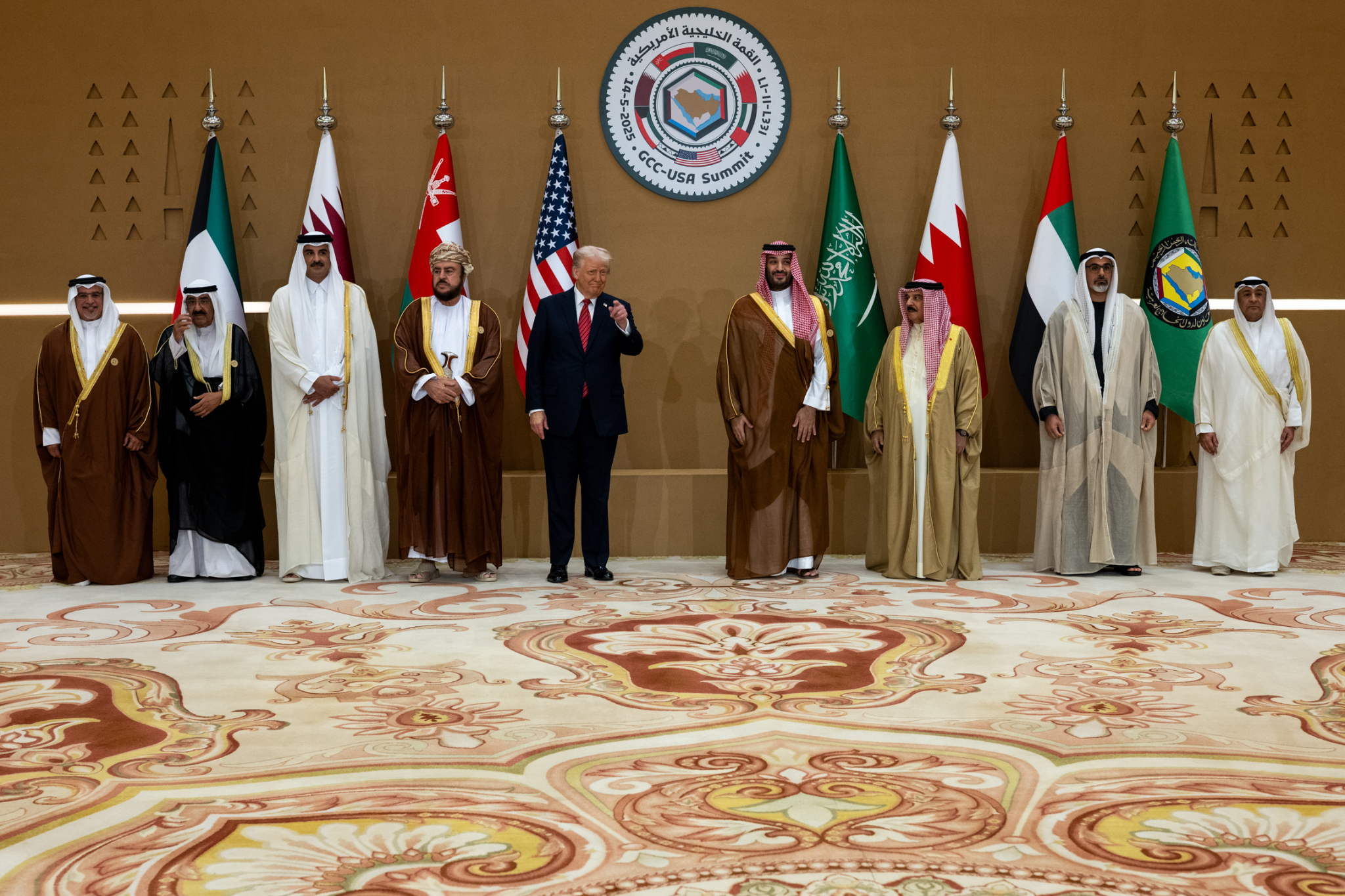
Iran Gulf Talks Reshape Power
The Iran Gulf Arab states meeting lands at a moment when the Middle East is exhausted by escalation but still wired for conflict. For Gulf leaders, the pain point is brutally practical: missiles, drones, shipping lanes, energy prices, and the constant fear that one miscalculation could turn a contained crisis into a regional war. For Iran, the meeting is a chance to show it cannot be isolated, even as pressure from sanctions, domestic strain, and military confrontation narrows its room to maneuver. This is not a photo-op about friendship. It is a hard bargaining table where rivals test whether dialogue can lower the temperature without forcing anyone to surrender leverage. The stakes are bigger than diplomacy. They touch global oil, American influence, Israeli security calculations, and the future architecture of Gulf power.
- The meeting signals a shift from crisis management to regional bargaining.
- Gulf states want security guarantees without being trapped in another war.
- Iran wants legitimacy, economic breathing room, and recognition as a regional power.
- Energy markets and shipping routes make the talks globally consequential.
- The outcome will test whether regional actors can manage conflict without relying entirely on Washington.
Why the Iran Gulf Arab states meeting matters now
The Middle East has entered a phase where old assumptions are breaking down. For decades, Gulf Arab capitals treated Iran as the central strategic threat, while Tehran viewed U.S.-aligned Gulf monarchies as staging grounds for pressure. That dynamic has not disappeared. But it is being complicated by a more pragmatic reality: even bitter rivals need channels when the cost of confrontation becomes too high.
The Iran Gulf Arab states meeting matters because it suggests that regional players are trying to build their own crisis-management machinery. The United States still matters enormously, but Gulf governments no longer want every major decision filtered through Washington. They are diversifying security relationships, investing in economic transformation, and trying to keep their cities, ports, and energy infrastructure out of the line of fire.
Key insight: The meeting is less about trust than about risk control. In the Gulf, diplomacy often begins when both sides fear what happens without it.
That makes this moment strategically significant. If the dialogue produces even narrow understandings on maritime security, cross-border attacks, or back-channel diplomacy, it could reduce the chance of sudden escalation. If it collapses, the region may slide back into a familiar cycle: accusation, retaliation, denial, and then another emergency diplomatic scramble.
The hard interests behind the handshake
Diplomacy in the Gulf is rarely sentimental. Every participant arrives with layered objectives, and none of them are simple. Iran wants to demonstrate that it remains indispensable to regional politics. Gulf Arab states want to reduce exposure to Iranian power without appearing weak. Smaller Gulf countries often want quiet stability; larger ones want influence, deterrence, and economic predictability.
Iran wants recognition and room to breathe
For Tehran, dialogue with Gulf Arab states can serve multiple goals at once. It can weaken the narrative of regional isolation. It can create openings around trade, pilgrims, banking workarounds, or humanitarian channels. It can also give Iran a diplomatic platform while it faces pressure over its nuclear program, regional armed partners, and economic distress.
But Iran is unlikely to give up its core sources of leverage quickly. Its network of allied militias and political partners across the region is central to its concept of deterrence. Tehran has long argued that forward influence protects it from attack. Gulf states see that same structure as coercive and destabilizing. That gap is the central problem at the table.
Gulf states want calm without capitulation
For Gulf Arab governments, the goal is not to embrace Iran. The goal is to prevent Iran from becoming the trigger for another regional conflagration. These states have spent years building skylines, logistics hubs, sovereign wealth strategies, and tourism economies that depend on one fragile condition: stability.
A single major strike on energy infrastructure, a mine incident near the Hormuz Strait, or a missile exchange can shake investor confidence and send insurance rates climbing. That is why even hawkish Gulf capitals have strong incentives to talk. Dialogue is not a concession. It is a form of strategic insurance.
The energy angle is impossible to ignore
Any conversation between Iran and Gulf Arab states carries an energy-market shadow. The Gulf is not just a region. It is a central artery of the global economy. The Hormuz Strait remains one of the world’s most sensitive chokepoints, and even rumors of disruption can affect the oil risk premium.
This is where regional diplomacy becomes a global consumer issue. A breakdown in Gulf security can raise shipping costs, push crude prices higher, and ripple through inflation data in countries far from the Middle East. For governments already managing cost-of-living pressure, that matters.
Pro Tip for readers watching markets: Do not judge the talks only by whether they produce a grand agreement. Watch for smaller signals: language on shipping safety, military hotlines, port security, and restraint by proxy groups. Those details often move risk calculations more than ceremonial statements.
Iran Gulf Arab states meeting and the U.S. dilemma
The United States sits in the background of every Gulf security conversation, even when it is not physically at the table. Washington remains the dominant external military power in the region. Yet Gulf leaders have grown more skeptical of relying on a single patron whose priorities shift with each administration.
This creates a complicated triangle. Gulf states want the U.S. security umbrella, but they also want diplomatic flexibility with Iran. Iran wants to reduce American influence, but it also understands that Gulf capitals still calculate risk through U.S. commitments. Washington, meanwhile, often supports de-escalation in principle while worrying that regional deals could normalize Iranian power without curbing its more destabilizing behavior.
The strategic tension: Gulf states are not abandoning Washington. They are hedging against uncertainty and building more options.
This is a major evolution. The Gulf’s emerging posture is less ideological and more transactional. Partners are evaluated by what they can deliver: air defense, investment, technology, energy coordination, or diplomatic access. That pragmatism gives Gulf governments more agency, but it also forces them to manage contradictions more openly.
What could actually come out of the talks
The most realistic outcomes are modest, technical, and valuable. Nobody should expect a sweeping regional peace framework overnight. The mistrust is too deep, and the conflict files are too numerous. But practical measures can still matter.
- Military communication channels: A direct or indirect hotline could reduce the risk of accidental escalation in the Gulf.
- Maritime understandings: Shared language on
shipping lanesand port security could calm insurers and traders. - Pilgrimage and consular cooperation: Human channels can create low-risk confidence-building steps.
- Language on noninterference: Even vague commitments can become reference points during future disputes.
- Economic side channels: Limited trade or humanitarian mechanisms could give both sides incentives to keep talking.
The danger is that each side may define success differently. Iran may present the meeting as evidence that Gulf states accept its regional role. Gulf governments may frame it as a containment tool. If those narratives diverge too sharply, domestic and regional audiences could turn the meeting into another arena of competition.
The Israel factor raises the stakes
No serious reading of Gulf diplomacy can ignore Israel. The expansion of normalization politics, the war-driven volatility of recent years, and direct confrontation involving Iran have changed the strategic map. Gulf states are trying to avoid being pulled into an Iran-Israel escalation cycle, especially one that could expose their infrastructure or force impossible public choices.
Iran, for its part, often views Gulf-Israeli security coordination as a direct threat. That means the meeting may function partly as a warning system. Gulf governments can communicate red lines to Tehran while also signaling that they do not want their territory used as a launchpad for broader confrontation.
This is where diplomacy becomes extremely delicate. Gulf states must reassure the U.S. and other partners that engagement with Iran is not drift. At the same time, they must convince Iran that regional security cannot be built through intimidation. That balancing act is difficult, but it is increasingly unavoidable.
Why this is a test of regional maturity
The most important question is not whether Iran and Gulf Arab states suddenly trust one another. They do not. The real question is whether they can institutionalize enough communication to stop every crisis from becoming an uncontrolled spiral.
That is the mark of a more mature regional order. Adversaries talk. Rivals negotiate rules. States build mechanisms that survive bad headlines. The Gulf does not need perfect harmony to become safer. It needs predictable channels, clearer red lines, and enough mutual interest to keep economic stability above political theater.
There is also a generational dimension. Gulf economies are racing toward post-oil diversification, artificial intelligence investment, logistics dominance, sports and entertainment expansion, and tourism growth. None of that thrives under missile alerts. Iran, meanwhile, needs economic relief and regional relevance. The incentives for lowering the temperature are real, even if the ideological divide remains sharp.
The bottom line on Iran and Gulf diplomacy
The meeting between Iran and Gulf Arab states should be read neither as a breakthrough nor as a bluff. It is a signal that the region’s most exposed players understand the cost of permanent escalation. They are not solving the Middle East’s hardest conflicts in one room. They are testing whether structured contact can keep those conflicts from detonating the broader Gulf.
Skepticism is warranted. The history is heavy, the proxy landscape is volatile, and domestic politics can reward defiance over compromise. But dismissing the talks would miss the bigger shift. Regional governments are trying to take more control of their own security environment, and that alone is consequential.
If the process continues, the winners may not be those who claim victory fastest. They may be the states that quietly reduce risk, protect trade, and keep their options open. In the Gulf, that kind of restraint can be more powerful than a dramatic announcement.
The information provided in this article is for general informational purposes only. While we strive for accuracy, we make no guarantees about the completeness or reliability of the content. Always verify important information through official or multiple sources before making decisions.