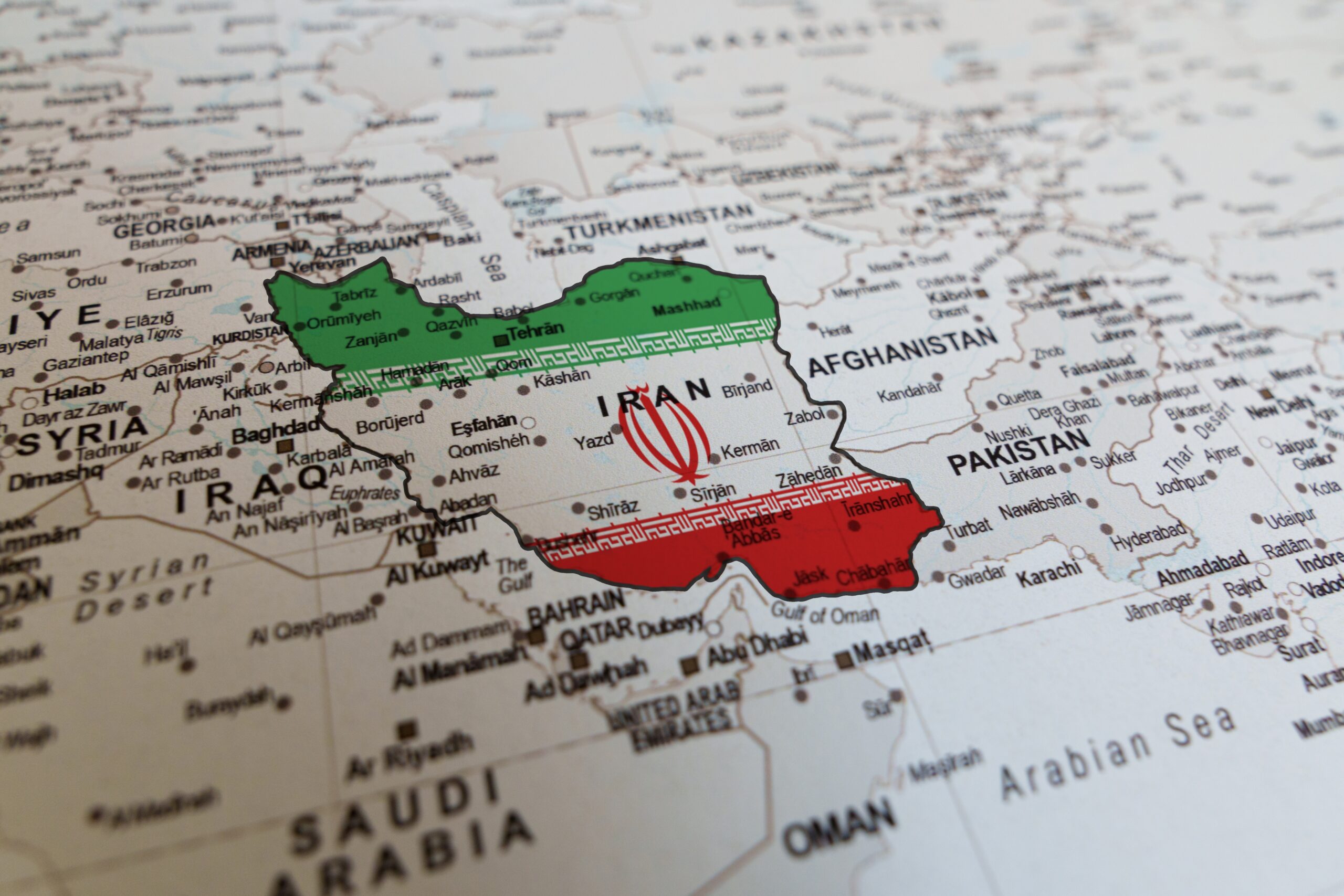
Iran Pushes Back as Regional Tensions Surge

Iran Pushes Back as Regional Tensions Surge
Iran is doing more than trading threats with Washington. It is signaling that the old playbook – pressure, retaliation, de-escalation, repeat – may be breaking down just as attacks across the region accelerate. That matters far beyond diplomatic theater. Any shift in Iran’s posture can ripple through shipping lanes, energy markets, proxy conflicts, and US military planning in a matter of hours. For policymakers, this is a stress test. For businesses and investors, it is a warning shot. And for anyone watching the Middle East, the key question is no longer whether tensions are rising, but whether the region is entering a more dangerous phase where deterrence is thinner, miscalculation is easier, and every response carries a higher price.
- Iran is pushing back more forcefully against US pressure as regional violence intensifies.
- The risk is not just direct confrontation but a broader cycle of proxy escalation and miscalculation.
- Energy markets, shipping routes, and regional alliances could feel the shock first.
- The US now faces a narrower set of options between deterrence, diplomacy, and containment.
Iran Pushes Back Against US Pressure
The headline shift here is not that Iran is resisting the United States. That has been consistent across administrations. The real change is timing and tone. As regional attacks heat up, Tehran appears less interested in signaling restraint and more focused on demonstrating that outside pressure will not shape its decisions. That hardening position raises the odds that future incidents will be interpreted through a more confrontational lens.
This is where the phrase Iran pushes back becomes more than political messaging. It suggests a strategic response to a more volatile battlefield, where Iran may be trying to preserve deterrence, protect allies, and avoid looking vulnerable in front of domestic and regional audiences. In the Middle East, perception is often leverage.
When deterrence becomes performative, every move is read as a test of credibility. That is when small incidents start behaving like strategic events.
The problem is that each side is now operating under pressure to avoid looking weak. That is a dangerous recipe. States can live with rivalry. They struggle with ambiguity, especially when attacks happen through partners, not just uniforms and flags.
Why This Matters Now
The timing of this escalation is what makes it especially consequential. Regional tensions are rising against a backdrop of already fragile security arrangements, crowded proxy networks, and deep mistrust between Washington and Tehran. In that environment, even a limited strike or retaliatory operation can trigger a chain reaction.
There are three reasons this moment is different:
- Attribution is getting harder. Hybrid warfare makes it difficult to determine who is responsible quickly enough to respond proportionally.
- Deterrence is becoming fragmented. The US can project force, but its influence over partners, proxies, and local actors is uneven.
- Economic spillovers are immediate. Shipping, insurance, and energy pricing react faster than diplomacy does.
That combination means this is not just a security story. It is a story about the fragility of the regional order. When military and political signals get crossed, the consequences do not stay local.
How the Escalation Cycle Works
To understand the current standoff, it helps to break down the escalation cycle into its moving parts. The mechanics are familiar, but the speed has changed. What used to unfold over days can now unfold over hours, especially when social media, satellite imagery, and instant political commentary compress the decision window.
1. An attack lands somewhere in the region
It may target military infrastructure, shipping assets, or a partner force. The attack itself may be direct or carried out by a group aligned with broader regional interests. The ambiguity is the point.
2. Washington signals pressure
The US often responds with warnings, deployments, sanctions, or public statements aimed at deterrence. These signals are meant to cap the conflict, but they can also provoke defiance if read as bluff or overreach.
3. Tehran recalibrates its response
Iran can respond directly, indirectly, or not at all. Each choice carries risks. Too little response may look like weakness. Too much response can invite a broader military reaction.
4. Regional actors adjust their posture
Allies, proxies, and neighboring states begin hedging. That can mean activating defenses, shifting assets, or escalating rhetoric. The result is often a wider security footprint without a formal war declaration.
The key takeaway is that the region is operating in a space where every actor is trying to control the next move without controlling the entire board.
The US Dilemma
For Washington, the challenge is classic and brutal: how do you deter escalation without stepping into it? The US wants to protect personnel, reassure allies, and preserve freedom of navigation. But aggressive posture can create the very confrontation it is meant to prevent.
This is why the current situation is so hard to manage. The US has a menu of options, but none are clean.
- Show force to deter attacks, while risking a broader confrontation.
- Pursue diplomacy to reduce tension, while inviting accusations of weakness.
- Use sanctions and isolation to increase pressure, while limiting immediate leverage on the ground.
- Absorb limited attacks to avoid escalation, while signaling tolerance for more disruption.
None of those choices solves the underlying problem. They only shift the risk from one arena to another. That is why US strategy in the region often looks reactive: it is less about solving conflict than managing the pace of deterioration.
In a region this volatile, the difference between deterrence and provocation can come down to who speaks last and who acts first.
Iran Pushes Back and the Proxy Problem
Any analysis of Iran’s posture has to account for proxy forces. This is not a side issue. It is the center of the story. Proxy networks give Tehran flexibility and deniability, but they also increase the odds of unintended escalation. A local actor can launch an attack that triggers a much larger strategic response.
That proxy structure is effective precisely because it muddies the chain of command. It also complicates US retaliation. If Washington responds too broadly, it risks hitting the wrong target or widening the conflict. If it responds too narrowly, it may fail to deter future attacks.
That tension is the heart of the current crisis: the more indirect the conflict becomes, the harder it is to contain.
This is where the phrase regional attacks takes on a broader meaning. It is not just a description of violence. It is a signal that the boundaries between local disputes and interstate rivalry are disappearing.
What Businesses and Markets Should Watch
For companies with exposure to the Middle East, the biggest mistake is treating this as a purely geopolitical headline. The business impact can show up fast and in several forms.
- Energy volatility: Any threat to shipping routes or production assets can push prices higher.
- Insurance costs: Maritime risk premiums often rise before a single major supply disruption is confirmed.
- Logistics delays: Rerouting vessels or grounding cargo can affect inventory cycles and delivery commitments.
- Cyber spillover: Escalating regional tensions often correlate with more aggressive digital targeting.
Pro tip: firms with regional exposure should review business continuity plans, update travel advisories, and stress-test supply chain routing assumptions now, not after the next attack. That is especially true for sectors that rely on maritime transit, energy imports, or regional contractors.
The market lesson is simple: conflict risk rarely waits for official confirmation. Traders, shippers, and insurers price uncertainty before diplomats do.
What Could Happen Next
The most likely path is not an all-out war. The more plausible scenario is a sustained cycle of limited attacks, retaliatory signaling, and noisy diplomacy. But limited does not mean harmless. A narrow incident can still force major decisions if it crosses a red line, kills the wrong people, or hits the wrong asset.
Three scenarios deserve attention:
Contained escalation
Both sides absorb pressure, issue warnings, and keep military activity bounded. This is the best-case scenario, but it requires discipline that is often in short supply.
Proxy widening
Armed groups and affiliated actors intensify attacks, forcing the US and Iran into a more direct confrontation without either side officially declaring it.
Strategic miscalculation
A single strike, interception, or casualty event is interpreted as a major provocation. From there, the cycle can accelerate quickly.
The future implication is clear: the region is moving into a phase where crisis management matters more than symbolic victory. Leaders who confuse the two may discover too late that control over messaging is not control over outcomes.
The Bigger Geopolitical Signal
There is also a broader message here for the global order. When Iran feels emboldened enough to push back more visibly against the US amid rising attacks, it reflects a world where regional power centers are more willing to test American limits. That does not mean US influence is collapsing. It means the costs of enforcing it are rising.
For the Middle East, that could mean more militarized diplomacy, more fragmented alliances, and more space for armed groups to exploit uncertainty. For Washington, it means every response will be measured not only by what it stops, but by what it accidentally starts.
Bottom line: this is no longer a story about one country resisting another. It is about whether the region can absorb a new wave of conflict without losing the ability to manage it.
The phrase Iran pushes back may sound like a headline. In practice, it is a warning label.
The information provided in this article is for general informational purposes only. While we strive for accuracy, we make no guarantees about the completeness or reliability of the content. Always verify important information through official or multiple sources before making decisions.