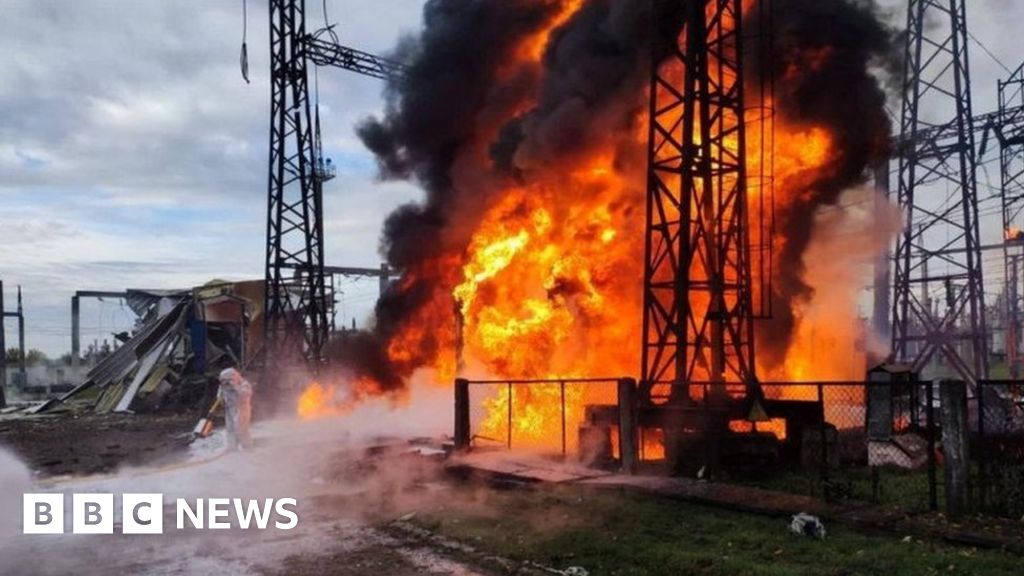
Iran Strike Jolts Southern Israel Industrial Hub

Iran Strike Jolts Southern Israel Industrial Hub
The sudden Iran strike on southern Israel industrial zone ripped through a region built on supply-chain resilience and high-tech logistics, forcing defense planners to confront a grim new normal: precision threats aimed at economic arteries, not just military posts. Civilians took cover as air-raid sirens blared over factories that normally churn out semiconductors, agritech gear, and packaged goods. The incident compresses years of simmering shadow conflict into a single kinetic message: deterrence is contested and the industrial home front is no longer a safe buffer. Investors, insurers, and policymakers now have to price in missile volatility alongside energy costs and shipping bottlenecks, while local communities ask whether hardened roofs and redundant power lines can keep production online under fire.
- Iranian projectiles targeted a strategic industrial zone, testing Israel’s layered air defenses.
- Supply chains and export corridors face renewed disruption risk, from factory floors to ports.
- Escalation calculus shifts as economic infrastructure becomes a frontline target.
- Global markets must price higher geopolitical premiums across energy, shipping, and insurance.
- Industrial operators need continuity playbooks: hardened facilities, redundant power, and cyber shielding.
The Strike: What Hit and Why It Matters
Iran framed the volley as retaliation, choosing an industrial hub to signal that Israel’s economic resilience is a valid target. Unlike border skirmishes, hitting factories in southern Israel pressures the nation’s export backbone and its reputation as a stable tech-manufacturing base. The attack also probes Israel’s doctrine that civilian infrastructure can be shielded through layered defense: Iron Dome for short-range threats, David's Sling for medium ranges, and Arrow for exo-atmospheric intercepts.
Trajectory and Payload
Early assessments suggest a mix of cruise missiles and loitering munitions. Cruise missiles test radar coverage at low altitude, while loitering munitions hunt for gaps or high-value assets. Each system forces defenders to allocate interceptors quickly, raising the cost-per-shot and potential saturation.
Target Selection Logic
Industrial zones house SCADA systems, chemical storage, and grid interconnects. Striking here risks cascading outages: a punctured fuel tank triggers fire, which halts production, which ripples to ports and shipping manifests. By aiming beyond symbolic buildings, Iran amplifies downstream economic pain and media attention.
Main Keyword in Focus: Iran Strike on Southern Israel Industrial Zone
This event cements the Iran strike on southern Israel industrial zone as a new template for pressure. Instead of purely military confrontations, the home front faces hybrid attacks that blend kinetic, cyber, and psychological vectors, increasing the complexity of deterrence.
Psychological and Market Impact
Images of halted conveyor belts and workers sheltering in reinforced rooms hit investor sentiment. Credit default swaps on regional sovereign debt tend to widen when civilian assets are struck. Logistics firms may reroute cargo or demand risk premiums for southern corridors, squeezing margins for exporters already dealing with currency volatility.
Defense Performance: Stress Test for Layered Shields
Israel’s air-defense triad once focused on rockets from non-state actors. Facing state-grade cruise missiles rewrites the playbook. Interceptors are expensive and finite; a well-timed swarm can deplete magazines faster than resupply cycles allow.
Sensor Fusion and Response Times
To defeat low-flying missiles, radar coverage must be gapless. Modern systems blend AESA radars with passive EO/IR sensors, feeding joint command centers. Response windows shrink to seconds, demanding automation. Any OODA loop lag risks a leaker.
Hardened Infrastructure vs. Mobility
Industrial plants cannot relocate overnight. Operators must harden roofs, separate critical nodes, and add blast walls. Mobile air-defense batteries can redeploy, but fixed assets need permanent passive defenses to buy time for interceptors.
Supply Chains Under Fire
Southern Israel’s industrial belt connects inland factories to Red Sea and Mediterranean ports. Even a short stoppage cascades into missed shipping slots and contract penalties.
Port Congestion and Freight Costs
Missile alerts can idle cranes and halt truck flows. Each pause compounds congestion. Freight insurers may attach conflict surcharges, passed down as higher consumer prices. With global shipping already stressed by rerouted vessels avoiding contested waterways, any additional friction intensifies inflationary pressure.
Semiconductor and Agritech Exposure
Facilities in the zone produce niche chips for sensors and irrigation controllers. These components feed broader supply chains in agriculture, automotive, and IoT. A halted fab can ripple into delayed harvest-tech deployments or stalled automotive lines abroad.
Cyber Layer: The Silent Front
Industrial sites rely on ICS and PLC networks that can be targeted during or after kinetic strikes. A synchronized cyberattack could disable alarms or manipulate valves to magnify physical damage.
Recommended Cyber Posture
- Segregate
OTfromITwith unidirectional gateways. - Deploy anomaly detection tuned for
ModbusandOPC UAtraffic. - Regularly test incident response with red-team drills simulating combined cyber-kinetic events.
- Maintain offline backups for
SCADAconfigurations and firmware.
Regional Escalation: New Rules of Deterrence
By striking economic infrastructure, Iran signals willingness to widen the target set. Israel faces a strategic choice: retaliate symmetrically against Iranian industry or limit responses to avoid broader war. Allies will weigh in, as global energy prices react to every escalation.
Energy Market Sensitivity
Oil futures spike on conflict headlines. Even without direct hits to pipelines, risk premiums rise. Importers in Europe and Asia watch closely, recalculating inventory strategies and hedging positions. Energy-sensitive industries like aviation and chemicals feel immediate cost pressure.
Diplomatic Off-Ramps
Back-channel communication becomes urgent to prevent tit-for-tat strikes on civilian infrastructure. Multilateral forums may press for de-escalation while quietly reinforcing air defenses and cyber support to allies.
Pro Tips for Industrial Resilience
- Pre-wire facilities for rapid installation of modular armor panels over critical
HVACand power nodes. - Adopt dual-feed power with on-site
microgridsusingLi-ionorflow batteriesto ride through grid disruptions. - Implement
geofencedworker safety apps that push shelter instructions and muster confirmations during alerts. - Stockpile spare parts for
ICScomponents most likely to fail under shock or surge. - Conduct quarterly continuity drills that integrate physical evacuation, cyber containment, and logistics rerouting.
Why This Matters for Global Business
Multinationals sourcing from Israel must reassess single-supplier dependencies. Diversifying suppliers, adding buffer stock, and pre-negotiating alternative shipping lanes become costlier but essential moves. Insurers will recalibrate coverage, nudging firms to invest in resilience rather than absorbing premium hikes.
Investor Lens
Capital markets reward firms that disclose and mitigate geopolitical risk. Transparent continuity planning, hardened facilities, and cyber maturity can reduce perceived volatility. Conversely, silence or opacity invites selloffs after each headline.
Talent and Community Impact
Repeated alerts strain workers, leading to burnout and attrition. Companies need mental health resources, hazard pay, and clear safety protocols to retain talent. Community relations matter: firms that support local shelters and infrastructure repairs build goodwill that speeds recovery.
Future Outlook: Escalation or Stabilization
If Iran continues targeting industrial nodes, Israel may respond with precision strikes on comparable assets or intensified cyber operations. Alternatively, mediated de-escalation could emerge if both sides fear economic blowback. The balance hinges on whether defenses keep intercept rates high and civilian casualties low. Each successful intercept buys diplomatic space; each leaker narrows it.
Technology Race
Expect accelerated adoption of high-power laser interceptors to cut per-shot costs. Combined with AI-enabled sensor fusion, these systems aim to blunt saturation attacks. Industrial sites might also deploy local C-UAS nets to stop loitering munitions before they reach rooftops.
Policy Moves
Governments may incentivize hardened construction through tax credits or mandate minimum continuity standards for strategic industries. Insurance regulators could require certified risk assessments for facilities in threat zones, similar to seismic codes.
Main Keyword Revisited: Iran Strike on Southern Israel Industrial Zone
The Iran strike on southern Israel industrial zone is more than a headline – it is a stress test of modern homeland defense, supply-chain fragility, and investor nerves. It underscores how state-level adversaries can blend missile salvos with economic messaging, forcing companies to treat geopolitics as a core operational variable.
“Industrial resilience is now a frontline capability, not a back-office compliance exercise.”
That reality should drive every boardroom discussion in the region and beyond.
Action Checklist for Operators and Investors
- Audit dependencies on southern Israel suppliers; line up alternates and buffer inventory.
- Verify that critical vendors maintain layered cyber and physical defenses with recent certifications.
- Model freight reroutes and cost impacts if port operations pause for 24-72 hours.
- Engage insurers early to understand coverage triggers and documentation requirements.
- Run tabletop exercises that simulate simultaneous missile alerts and network anomalies.
The shock of this strike will fade from headlines, but its lessons should not. Economic infrastructure is now a declared battlefield. The winners will be those who harden, diversify, and communicate resilience before the next siren sounds.
The information provided in this article is for general informational purposes only. While we strive for accuracy, we make no guarantees about the completeness or reliability of the content. Always verify important information through official or multiple sources before making decisions.