Iran UAE Reset Takes Shape
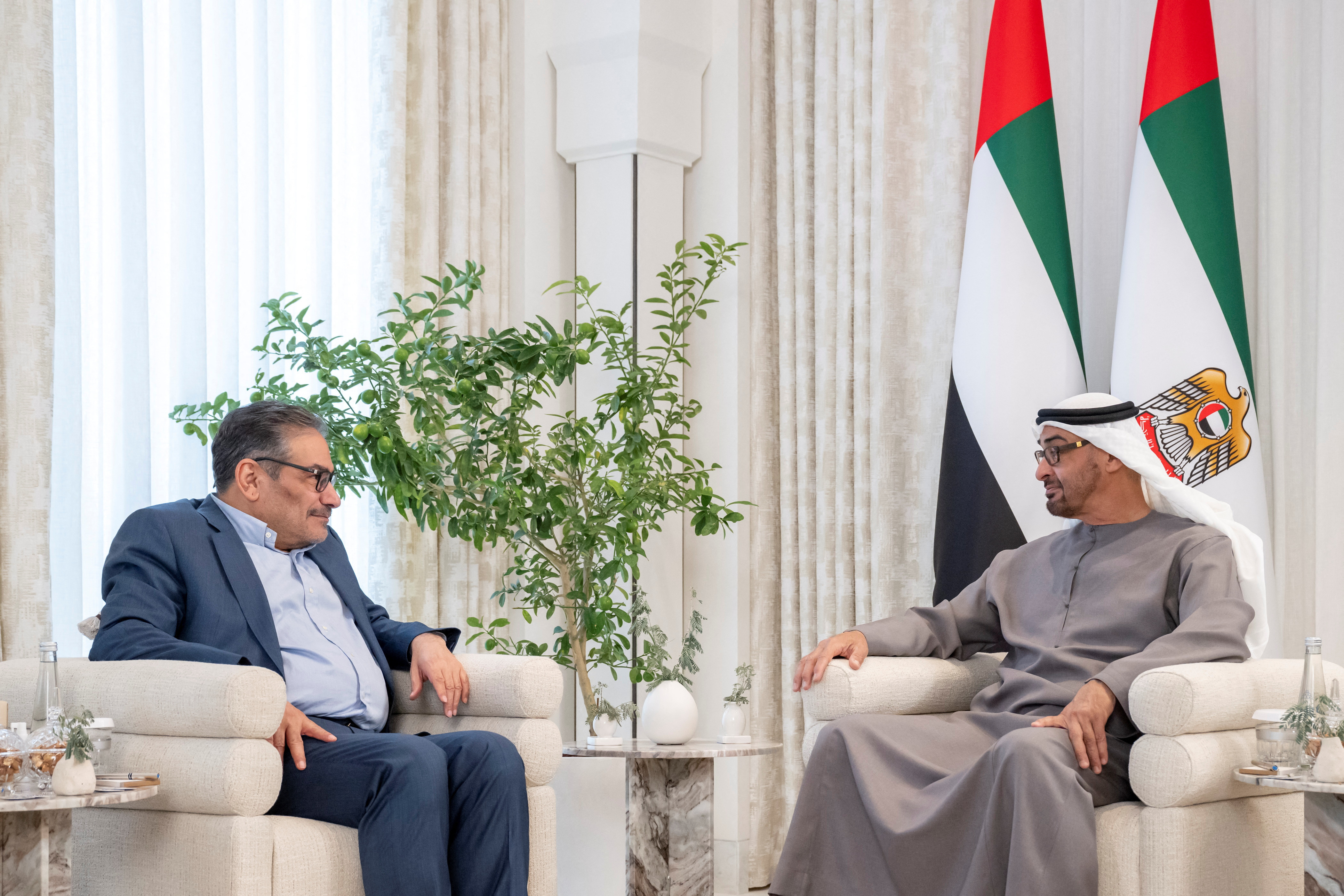
The Gulf does not need another frozen rivalry. It needs exits, off-ramps, and leaders willing to admit that permanent tension is bad economics and worse strategy. That is why Iran UAE relations are suddenly worth watching again. After diplomatic talks in Delhi, Tehran signaled it wants to turn the page with Abu Dhabi, a phrase that sounds soft but carries hard geopolitical weight. For businesses, energy markets, shipping operators, and governments from India to Europe, even a modest thaw could reshape risk calculations across the region. The question is whether this is a tactical pause or the start of a more durable reset. Iran wants room to breathe. The UAE wants stability without surrendering leverage. India, by hosting key conversations, is quietly positioning itself as a serious diplomatic bridge.
- Iran says it wants a new chapter with the UAE after talks connected to Delhi diplomacy.
- The reset matters because Gulf tensions affect energy, trade, shipping, and regional security.
- India gains diplomatic visibility as a venue where rival regional actors can talk.
- The biggest test is not language but follow-through on security, commerce, and crisis management.
Iran UAE relations enter a test phase
When Tehran says it wants to turn the page with Abu Dhabi, it is not simply offering a friendly diplomatic phrase. It is acknowledging that the old playbook has become expensive. Years of suspicion between Iran and Gulf Arab states created a brittle regional environment where a drone strike, a tanker incident, or a militia escalation could instantly raise insurance costs, unsettle oil markets, and drag outside powers into crisis mode.
The UAE has spent years building itself into a global logistics, finance, aviation, and technology hub. That model depends on predictability. Iran, facing sanctions pressure, domestic economic strain, and military exposure across the region, also has reasons to reduce friction with wealthy Gulf neighbors. The incentive structure has changed: ideological rivalry still exists, but pure confrontation is not delivering enough strategic return.
Key insight: A diplomatic reset between Iran and the UAE would not erase rivalry. It would create guardrails so rivalry does not constantly threaten trade, energy flows, and regional stability.
This is where the Delhi setting becomes important. India has working ties with Iran, deep economic links with the UAE, and a major stake in stable Gulf shipping lanes because millions of Indian citizens work in the region and large volumes of energy and remittances move through it. New Delhi is not replacing Washington, Beijing, or regional actors. But it is becoming harder to ignore as a platform for pragmatic diplomacy.
Why Iran UAE relations matter beyond the Gulf
The Gulf is often framed as a local security theater, but its consequences are global. A deterioration in Iran UAE relations can ripple through oil prices, container shipping, airline routes, sovereign investment, and defense planning. A meaningful easing of tensions could do the opposite: reduce perceived risk and open space for commercial engagement, even if sanctions continue to constrain what is possible.
Energy markets hate uncertainty
The region around the Strait of Hormuz remains one of the most sensitive chokepoints in the global economy. Even rumors of confrontation can influence crude prices because traders price in disruption risk before disruption actually happens. The UAE is a major energy producer and exporter. Iran sits beside the same strategic waterway and has repeatedly shown it can influence regional security dynamics.
If Tehran and Abu Dhabi build more reliable communication channels, energy markets may not suddenly become calm, but the probability of accidental escalation could fall. That matters to import-dependent countries, especially across Asia. It also matters to Gulf producers who want stable long-term demand and predictable investment conditions.
Trade corridors are now strategic assets
The UAE has become a central node in global commerce, from ports and free zones to aviation and digital infrastructure. Iran, despite sanctions, remains geographically significant, sitting at the intersection of Central Asia, the Gulf, and South Asia. Better ties could support quieter forms of economic pragmatism, including logistics coordination, consular cooperation, and reduced friction for regional trade.
That does not mean a dramatic sanctions-busting boom is around the corner. The global compliance environment remains tight, and major banks will remain cautious. But diplomacy can still make a difference at the margins. It can reduce harassment risks, improve crisis communication, and make routine commercial activity less vulnerable to sudden political shocks.
Security de-escalation is the real prize
The most important keyword in this story is de-escalation. Iran and the UAE do not need to become close allies for the region to benefit. They only need enough trust, or enough mutual self-interest, to prevent disputes from spiraling. That could include maritime incident hotlines, intelligence contacts, diplomatic backchannels, and agreed limits around rhetoric or proxy activity.
For Abu Dhabi, the challenge is balancing outreach with deterrence. The UAE has invested heavily in defense modernization and maintains close ties with Western partners. For Iran, the challenge is proving that diplomatic language is not just tactical messaging designed to reduce pressure while preserving disruptive leverage elsewhere.
The India factor in Iran UAE relations
Delhi is not a neutral detail. India has strategic depth with both sides. It buys energy from the Gulf, hosts major Emirati investment, maintains historic links with Iran, and depends on secure sea lanes for trade. When diplomacy involving Iran and the UAE happens around Indian engagement, it highlights New Delhi’s growing role as a convening power.
India’s pitch is different from the classic Western security framework. It tends to emphasize connectivity, trade, diaspora interests, and strategic autonomy. That gives it a useful diplomatic vocabulary in a fragmented region. The UAE sees India as a major market and partner. Iran sees India as a country that can engage without always sounding like a Western proxy.
Why this matters: India benefits when the Gulf is stable, but it gains even more when regional players see Delhi as a place where difficult conversations can happen without excessive public theater.
This does not mean India controls the outcome. Iran UAE relations will be decided primarily by Tehran and Abu Dhabi, with pressure from regional realities and global powers. But diplomatic venues matter. A trusted venue can reduce the political cost of engagement, especially when governments want to test language before making bigger moves.
What could change if the reset holds
A durable reset would likely appear slowly. Expect bureaucratic signals before headline breakthroughs. The first signs may include more frequent official visits, calmer public rhetoric, consular coordination, and less aggressive messaging around maritime security. Over time, the two sides may explore issue-based cooperation where interests overlap.
- Maritime risk management: Quiet channels around
maritime securitycould reduce tanker and shipping uncertainty. - Consular and business facilitation: Practical cooperation could help travelers, traders, and residents navigate disputes.
- Regional crisis communication: Backchannels could limit escalation if conflict flares elsewhere in the Middle East.
- Investment confidence: A calmer Gulf can support long-term capital planning, even where sanctions limit direct exposure.
The UAE has shown a preference for flexible diplomacy in recent years, engaging adversaries while deepening security relationships with allies. Iran has also pursued selective openings when isolation becomes too costly. The overlap is narrow but real: both sides benefit from avoiding a regional shock that damages their economic interests.
Pro tip for observers
Do not judge this reset by one statement. Watch the operating environment. Are shipping incidents decreasing? Are officials meeting repeatedly? Is hostile media language cooling? Are third-party channels staying active? Diplomacy is often most meaningful when it becomes boring, procedural, and routine.
The obstacles are still serious
The optimistic reading is that Iran and the UAE are choosing pragmatism. The skeptical reading is that both sides are buying time. The truth may be somewhere in between. There are deep structural tensions that cannot be wished away.
Iran’s regional network, including allied armed groups, remains a central concern for Gulf states. The UAE’s partnerships with the United States and other security actors remain a concern for Tehran. Disputes over islands, regional alignments, sanctions, and military posture have not disappeared. A diplomatic reset can manage these issues, but it cannot magically solve them.
There is also the problem of trust. Gulf diplomacy often operates under the shadow of sudden shocks. One regional crisis can undo months of patient outreach. If conflict elsewhere intensifies, Iran UAE relations could again become hostage to broader confrontation.
Editorial view: The reset is promising precisely because it is limited. Grand bargains are fragile. Practical guardrails are more realistic, and right now, realism is what the Gulf needs.
Iran UAE relations and the future Gulf order
The bigger story is that the Gulf is moving toward a more transactional, multipolar order. Countries are no longer waiting for one superpower to define every relationship. The UAE talks to Washington, Beijing, Moscow, Delhi, and regional rivals. Iran looks for openings wherever pressure can be reduced. India builds partnerships without fully joining anyone’s camp.
This creates risk, but also flexibility. A more crowded diplomatic map can produce confusion, yet it can also create more channels for crisis management. Iran’s message to the UAE should be read through that lens. Turning the page does not mean closing the book on competition. It means recognizing that constant escalation is bad strategy.
For policymakers, the task is to convert language into mechanisms. That means regular contact, clear red lines, crisis hotlines, and trade rules that survive political weather. For markets, the signal is cautious optimism, not certainty. For India, the opportunity is to keep proving that its diplomatic table is useful.
The Gulf has seen plenty of symbolic resets. Some lasted. Others collapsed when the next crisis arrived. This one deserves attention because the incentives for stability are unusually strong. Iran needs economic breathing room. The UAE needs a secure neighborhood for its global ambitions. India needs a calm Gulf to protect energy flows, citizens, and commerce.
If all three understand that, the phrase turn the page may become more than diplomatic theater. It could become the first line of a more stable regional chapter.
The information provided in this article is for general informational purposes only. While we strive for accuracy, we make no guarantees about the completeness or reliability of the content. Always verify important information through official or multiple sources before making decisions.