Iran War Explodes Into New Phase
Iran War Explodes Into New Phase
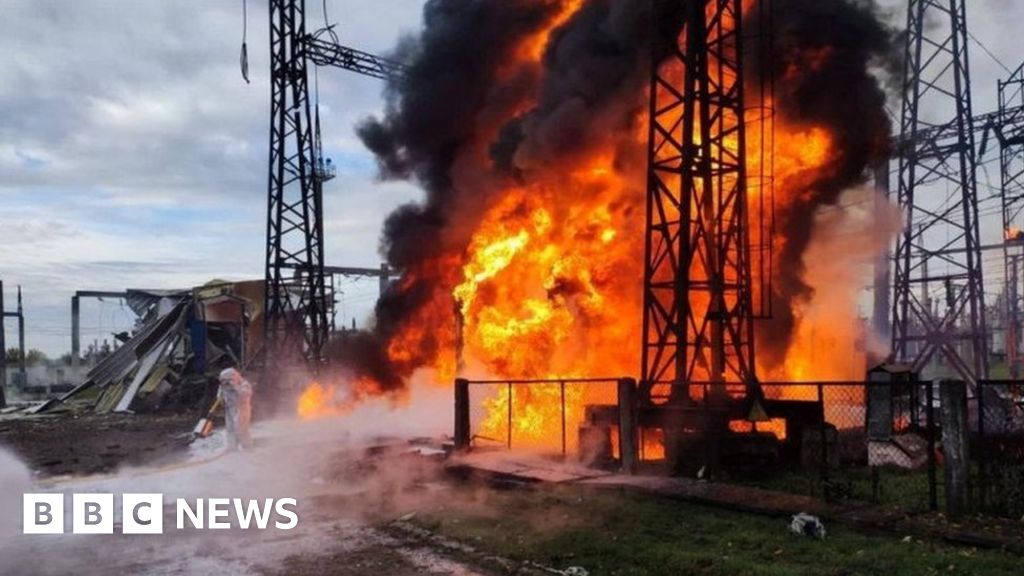
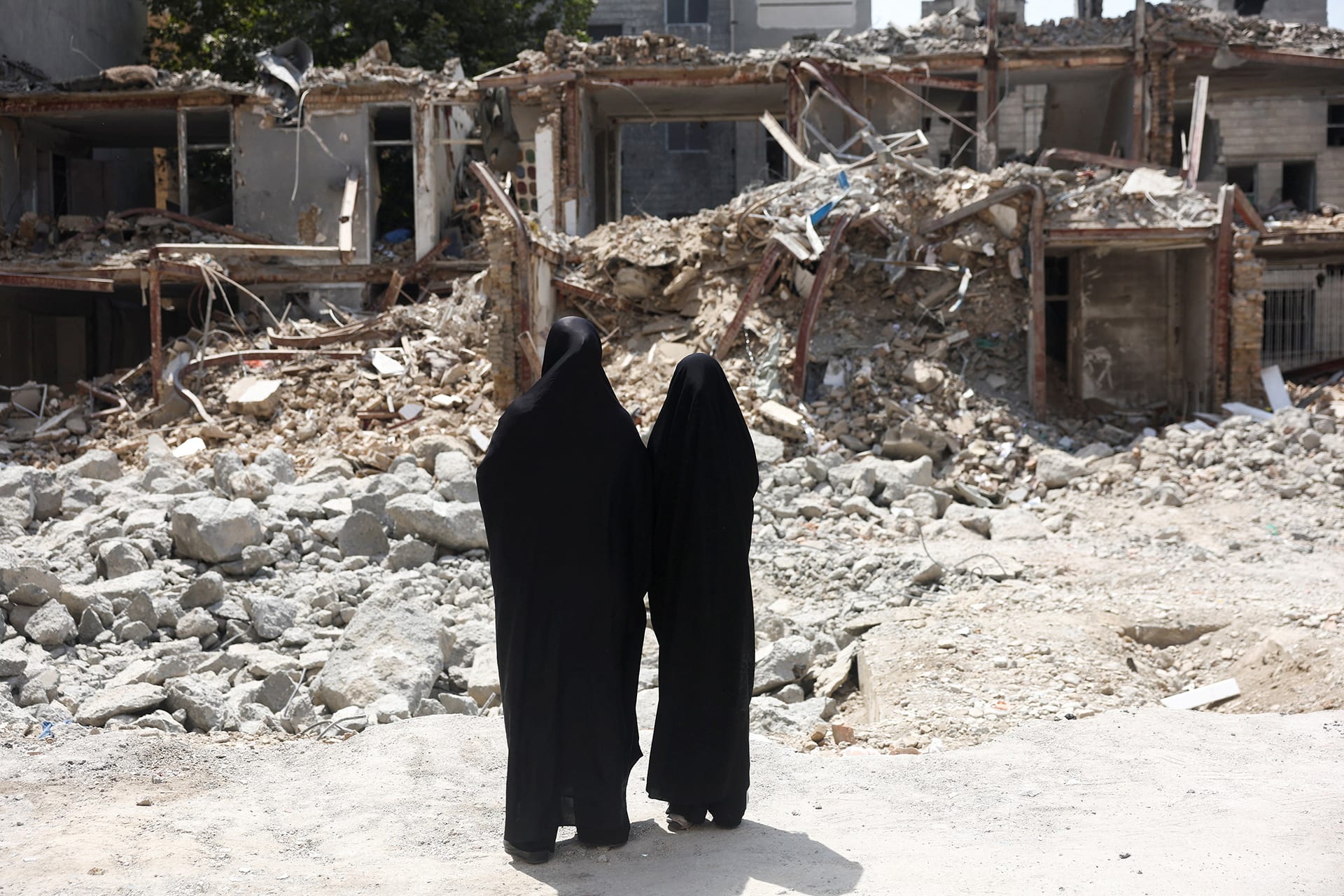
The Iran war has crossed another red line, and the region is paying the price. What began as a cycle of strikes and reprisals is now moving toward a broader, messier confrontation with direct attacks on military infrastructure, pressure on US positions, and the real possibility of spillover beyond the immediate battlefield. For governments trying to contain the crisis, the problem is no longer just military capability. It is escalation control. Every new strike narrows the room for diplomacy, raises the odds of miscalculation, and forces allies and adversaries alike to make faster decisions with less certainty. That is the true danger here: not only what was hit, but what happens when every actor starts assuming the next move will be bigger, faster, and harder to stop.
- The Iran war is entering a more dangerous phase with direct action against US-linked military targets.
- Regional escalation risk is rising as each strike invites a possible counterstrike.
- Base security and force posture now matter more than rhetoric for Washington and its allies.
- Diplomacy is becoming harder to revive as battlefield logic overtakes restraint.
- Any misread could widen the conflict far beyond the current theater.
The Iran war is no longer a contained exchange
What makes this moment so unstable is that the conflict is no longer behaving like a bounded confrontation. When strikes move from symbolic retaliation to direct hits on strategic assets, the signal changes. Commanders, policymakers, and intelligence services stop asking whether tensions are high and start asking whether the conflict is still controllable at all. That shift matters because modern regional warfare is less about one dramatic event and more about repeated pressure points: air defenses, forward bases, logistics hubs, maritime chokepoints, and the political willingness of outside powers to absorb damage.
In practical terms, the Iran war now sits at the intersection of military action and political theater. Each side is trying to project deterrence without triggering the kind of escalation it claims to want to avoid. That balancing act is fragile. Once direct attacks begin landing on bases used by US forces or allies, the gap between signaling and warfare gets very small.
Why direct attacks change the calculus
There is a difference between indirect pressure and direct confrontation. Proxy attacks, covert operations, and maritime harassment have long been part of the regional playbook. But when the target list moves toward US bases and clearly linked military infrastructure, the response options become more severe and less predictable. A state can tolerate noise. It cannot easily tolerate casualties, especially if they threaten credibility, force protection, or alliance commitments.
Once military conflict starts hitting forward bases, the crisis stops being a regional standoff and starts becoming a test of deterrence.
That is why this latest phase carries so much weight. It is not just about physical damage. It is about whether the actors involved believe the other side is willing to escalate enough to enforce a line. If that belief breaks down, every future move becomes more dangerous. The result is a classic security spiral: one side strikes to restore deterrence, the other responds to avoid looking weak, and the cycle tightens.
What the reported strikes suggest about strategy
The reported attacks indicate a conflict that is no longer confined to a single battlefield or a single method of warfare. Instead, the strategy appears designed to pressure multiple pressure points at once: military readiness, regional posture, and political messaging. That creates a more complicated environment for defense planners because there is no single lever to pull.
Military pressure
Military pressure is the most immediate layer. If bases, outposts, or associated infrastructure are targeted, even if the material damage is limited, the operational impact can be significant. Troops may need to be repositioned, air defense coverage may need to be intensified, and logistics chains may slow down. That is especially true in a region where assets are already spread thin.
Political pressure
Political pressure may be even more important. Leadership in Washington and regional capitals must now weigh retaliation against restraint while managing domestic expectations. A weak response can look like vulnerability. A strong response can trigger the very escalation everyone fears. That is the trap.
Messaging pressure
Messaging pressure is the hidden layer. Every public statement becomes part of deterrence. Every denial, warning, or promise of force is read not only by allies but by adversaries looking for hesitation. In a fast-moving crisis, messaging can either stabilize the situation or make it worse.
Why the region is on edge
The Middle East has long been a theater where local disputes quickly become international crises. That remains true because the region combines strategic energy routes, dense military footprints, overlapping alliances, and a long history of unresolved rivalries. When a conflict like the Iran war intensifies, the consequences are rarely isolated. Shipping insurance rises. Airspace becomes more contested. Regional governments face pressure to pick sides or at least clarify their red lines. Markets start to price in risk before diplomats can even finish their phone calls.
For neighboring states, the immediate fear is not just that their territory could be dragged in, but that their own security arrangements could be tested. Countries hosting foreign troops or sharing air defense coordination with the US face a particularly difficult tradeoff: stay close enough for protection, but not so close as to become a target.
What Washington likely cares about most
For the US, the central concern is force protection. If personnel, bases, or regional assets are under threat, every decision becomes about reducing vulnerability without looking disengaged. That means military commanders will focus on hardening positions, dispersing assets, boosting surveillance, and closing gaps in response time. The goal is simple: make the next strike less effective and less tempting.
At the strategic level, Washington also has to manage credibility. If the US signals that attacks on its positions will be met with consequences, then it has to preserve that signal. If it overreacts, it risks widening the war. If it underreacts, it invites more attacks. This is the classic deterrence dilemma, and it is especially punishing when the opponent believes time is on its side.
Deterrence works best when both sides believe escalation is costly. The moment that belief weakens, the region becomes much harder to stabilize.
The next moves that matter most
The next phase of the Iran war will likely be defined less by one dramatic announcement and more by a chain of operational choices. Watch for three things in particular:
- Force posture changes including repositioning of aircraft, air defenses, and naval assets.
- Retaliatory signaling through public warnings, military drills, or limited strikes.
- Diplomatic backchannels aimed at preventing a larger regional conflagration.
If the conflict stays in the realm of limited exchange, there may still be a path back to containment. But if either side interprets restraint as weakness, the next response could be broader and more destructive. That is where accident becomes catastrophe. And in a crowded battlespace, accidents are always possible.
Why this matters beyond the battlefield
This is not just a military story. It is a geopolitical stress test with implications for energy markets, global security, alliance credibility, and civilian safety across the region. Any sustained escalation could disrupt shipping lanes, raise oil prices, increase pressure on humanitarian systems, and intensify internal political tensions in nearby states.
It also exposes a deeper reality: modern conflict is increasingly hybrid, fast-moving, and difficult to compartmentalize. A strike on one target can ripple into cyber defenses, airspace restrictions, financial volatility, and emergency diplomacy within hours. That makes the current crisis bigger than a single exchange of fire. It is a reminder that regional wars no longer stay regional for long.
The bottom line on the Iran war
The latest attacks show a conflict entering a more volatile and less predictable phase. The central question is no longer whether tensions are high. It is whether the actors involved can still control the ladder of escalation before it starts climbing on its own. That is what makes the Iran war so dangerous right now: every move is both a tactical action and a strategic message, and those messages are increasingly being sent under fire.
For readers, policymakers, and markets alike, the lesson is clear. Watch the bases, watch the response posture, and watch the diplomatic channels. In this kind of crisis, what does not happen can be just as important as what does. Restraint may still be possible. But the margin for it is shrinking fast.
The information provided in this article is for general informational purposes only. While we strive for accuracy, we make no guarantees about the completeness or reliability of the content. Always verify important information through official or multiple sources before making decisions.