Iran War Updates Reshape Alliances and Energy Markets

Iran War Updates Reshape Alliances and Energy Markets
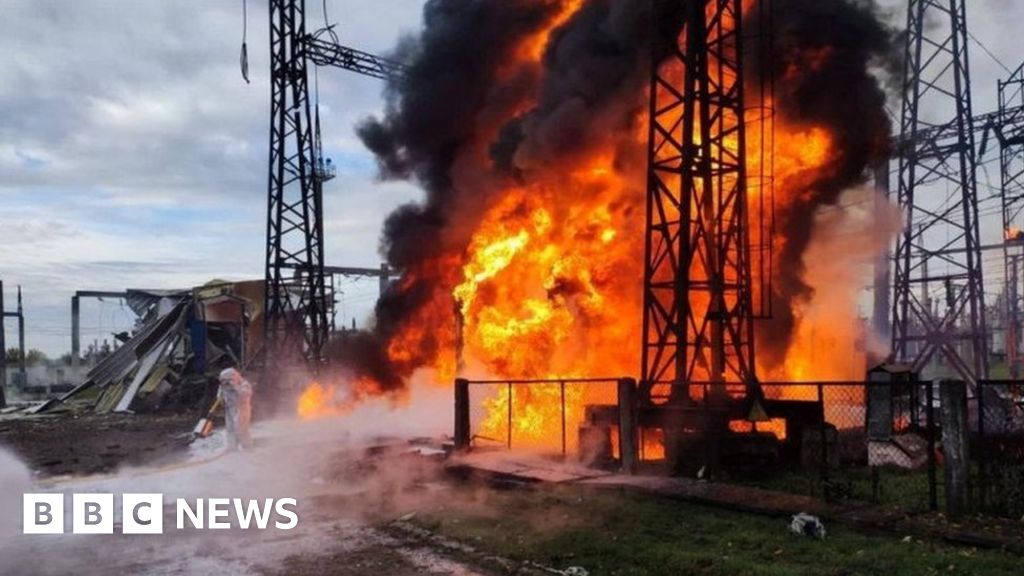
The latest Iran war updates are no longer background noise. They are rewriting shipping maps, forcing boardrooms to redraw risk models, and pushing diplomats into crisis posture. The fighting and its proxy flare ups now hit every pain point: volatile energy prices, disrupted strait chokepoints, weaponized information feeds, and fragile tech supply chains. Leaders who assumed the conflict would stay regional are discovering that the war is a global systems test that will determine whether markets, infrastructure, and alliances can bend without breaking.
- Frontline volatility is spreading through proxy networks and missile exchanges that test air defense capacity.
- Energy and shipping routes are being rerouted, lifting costs and elongating delivery schedules.
- Cyber and information operations are amplifying uncertainty and shaping public sentiment in real time.
- Diplomatic blocs are realigning as Gulf capitals, Washington, Beijing, and Brussels recalibrate leverage.
- Tech and logistics leaders need new playbooks to harden supply chains and communications.
Iran War Updates Signal Shifting Frontlines
Fighting between Iran-linked forces and regional adversaries is defined by agile strikes and fast retaliation cycles. Short-range missiles and drone swarms are probing air defenses while commanders experiment with saturation tactics. The geography of flashpoints keeps widening, pulling in littoral zones and mountain passes once considered buffers. Every exchange feeds a data loop that informs the next salvo, creating a dynamic that rewards speed over mass.
Drones, Missiles, and Air Defense Interlocks
Iranian-made loitering munitions and locally modified ballistic systems stress-test layered defense setups. Interceptors must juggle altitude, speed, and decoy discrimination. When salvos mix ballistic arcs with low-flying drones, command centers face split-second triage decisions. The result is an air picture that feels more like cyber traffic than traditional artillery duels, with defenders adapting rule sets on the fly to avoid magazine depletion.
Iran War Updates and Proxy Networks
Proxy militias are seizing the moment to alter facts on the ground. Movements along borderlands in Iraq, Syria, and Lebanon are designed to create bargaining chips ahead of any ceasefire. These maneuvers also serve as test beds for integrating commercial quadcopters with battlefield intelligence. Every shift in posture reinforces the notion that the conflict operates on a mesh of relationships, making it harder for any single actor to dictate outcomes.
Energy Supply Chains Under Strain
Oil and gas markets are reacting to each missile trajectory. Tanker insurers have repriced risk for transits near contested waterways, and some captains are rerouting around exposed strait chokepoints. That adds days to delivery timelines, increases fuel burn, and tightens inventories in import-reliant economies. Refiners are juggling feedstock blends to hedge against disrupted grade availability, a move that can impact product yields and margins.
Refining Flexibility and Floating Storage
Operators are leaning on floating storage to smooth deliveries while they renegotiate term contracts. This buffers immediate shocks but adds carrying costs. Refinery managers are recalibrating crude slates to accommodate heavier or sourer barrels as preferred light sweet grades dip in availability. Each tweak cascades through maintenance schedules, catalyst choices, and emission profiles, proving that geopolitical tension now sits inside plant-level decisions.
Shipping Lanes and Logistics Premiums
Container and bulk carriers are also absorbing the shock. Diversions around risky corridors mean longer rotations, tighter vessel availability, and higher charter rates. Logistics teams now budget for elevated war risk premiums alongside carbon costs. The ripple effect reaches end consumers through pricier goods and slower deliveries, a drag that can reignite inflationary pressure in economies hoping for a soft landing.
Cyber and Information Battleground
The kinetic fight is mirrored by a contest for narrative dominance. State and proxy actors deploy botnets, fake personas, and deepfake-style audio to steer global perception. Information spikes follow each strike, prompting platforms to throttle or label content. The attention economy becomes a weapon, with viral clips shaping diplomatic leverage before official statements land.
Disinformation and Platform Response
Content moderators must distinguish authentic frontline footage from staged assets. Missteps erode trust and provide fodder for further manipulation. Platforms are experimenting with hash matching and provenance signals, but adversaries quickly iterate around filters. The cycle underscores that information integrity is now a security function, not merely a brand safety issue.
Critical Infrastructure and Cyber Probing
Beyond memes, cyber operators are probing SCADA networks tied to energy and water assets. Even minor intrusions can trigger precautionary shutdowns, increasing operational costs and sowing public anxiety. Security teams are segmenting networks, rehearsing isolation drills, and hardening backups. The convergence of cyber and physical risk means board-level oversight must treat digital hygiene as part of frontline defense.
Diplomatic Realignments and Sanctions Pressure
Every volley forces capitals to pick a lane or at least signal where their red lines sit. Gulf states balance security partnerships with economic ties to both East and West. Washington weighs sanction escalations against the risk of driving Tehran further toward alternative trading blocs. Brussels is caught between energy security and values-based messaging.
Backchannel Deals and Deconfliction
Track-two dialogues are active even when public rhetoric spikes. Quiet deconfliction lines aim to prevent accidental spirals, especially in crowded air corridors. These conversations often hinge on practical issues like maritime rescue or no-strike lists for critical infrastructure, illustrating how humanitarian safeguards can coexist with hardened bargaining.
Sanctions Adaptation
Sanctions regimes evolve as new entities appear in the supply chain. Compliance teams are mapping beneficial ownership structures and monitoring ship-to-ship transfers. Firms that misread the trajectory face legal penalties and reputational damage. The diligence load is heavy, but it is also a chance to modernize trade data pipelines and automate alerting.
Humanitarian Fallout and Migration Pressure
Civilians bear the brunt of disrupted utilities and medical supply chains. Aid corridors open and close with each escalation, making relief planning a logistical puzzle. Hospitals rely on diesel generators that in turn depend on contested fuel routes. Shortages risk cascading into public health crises that extend far beyond the immediate combat zone.
Displacement Dynamics
Displacement patterns are fluid as families seek safety while staying near support networks. Neighboring countries feel the strain on housing, schools, and clinics. Policy makers must coordinate shelter standards and identity verification to prevent exploitation while protecting vulnerable populations. The balance between security and compassion defines regional stability.
Protecting Information Access
Connectivity becomes a lifeline for displaced communities. NGOs are deploying mesh networks and portable VSAT kits to keep communication lines open. Reliable access supports aid coordination and counters misinformation that can incite panic. Safeguarding digital rights during conflict is now a core humanitarian objective.
Market and Tech Industry Response
Equity markets price conflict risk within hours. Defense and cybersecurity stocks gain, while carriers, airlines, and tourism names slip. Tech manufacturers with exposure to regional suppliers reassess their bill of materials. Cloud providers stress-test availability zones to ensure continuity if regional data centers face outages.
Hardware Supply Chains
Semiconductor fabs outside the conflict zone still feel pressure via specialty gas supplies and shipping disruptions for lithography parts. OEMs diversify vendors and pre-book air freight to bypass vulnerable sea lanes. The scramble is a reminder that resilience is not a slogan; it requires redundant suppliers, real-time telemetry, and contractual flexibility.
Enterprise Playbooks
Enterprises are drafting crisis runbooks that integrate security, legal, and comms. Key steps include verifying multicloud failover paths, validating vendor business continuity plans, and rehearsing executive tabletop drills. Organizations that invested early in zero trust architectures now enjoy a margin of confidence as phishing campaigns spike.
What Decision Makers Should Do Now
This conflict is a systems stress test. Leaders who treat it as a transient flare up will miss the chance to build durable resilience. The following moves can convert volatility into strategic advantage.
Pro Tips for Operators
- Audit exposure to contested shipping lanes and pre-negotiate alternate routing with carriers.
- Hedge fuel and freight in tandem to avoid mismatched coverage on delivery costs.
- Strengthen
incident response playbookswith joint drills across security and ops. - Invest in media literacy training to blunt disinformation spikes that target staff.
- Coordinate with local partners on humanitarian support to keep community trust intact.
Resilience is now a competitive feature. Companies that can flex through conflict without missing delivery windows or compromising safety will own the recovery curve.
Why this matters: Iran war updates are a reminder that geopolitical shocks can bend the supply chain, the feed, and the political calculus all at once. Building for adaptability today is the surest way to protect balance sheets and public trust tomorrow.
The information provided in this article is for general informational purposes only. While we strive for accuracy, we make no guarantees about the completeness or reliability of the content. Always verify important information through official or multiple sources before making decisions.