Israel Demolishes Palestinian Home After Fatal Settler Attack
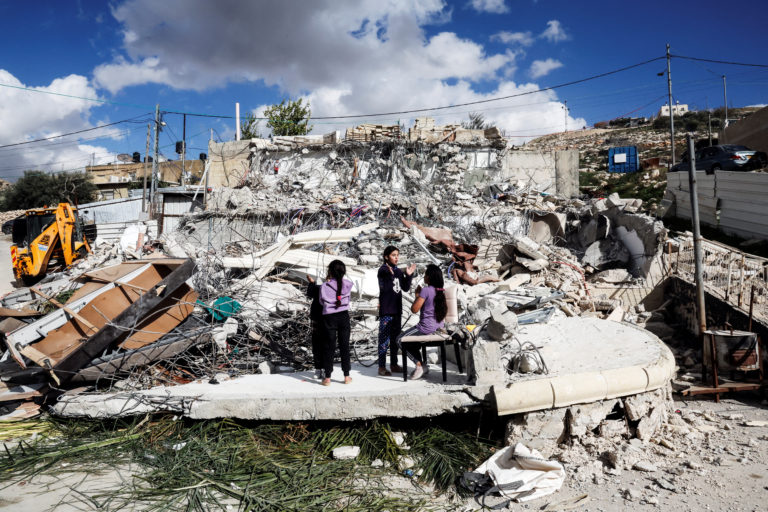
Israel Demolishes Palestinian Home After Fatal Settler Attack
When a home is destroyed after a killing, the message lands far beyond one street or village. It tells families that violence does not end with the attack itself, and that the aftermath can become its own form of punishment. The demolition of a Palestinian home after a settler attack has again pushed the long-running conflict into sharper focus, exposing a pattern that is both political and deeply personal. For observers, the incident is another reminder that the struggle is not only about land or security. It is also about power, accountability, and who gets protected when the system moves. The latest demolition has intensified anger and renewed scrutiny over how such actions shape an already fragile reality on the ground.
- The demolition raises serious questions about collective punishment and deterrence.
- It underscores how quickly local violence can escalate into broader political fallout.
- The case highlights the asymmetry between security claims and lived consequences.
- It may deepen mistrust and make future de-escalation even harder.
Why this demolition matters now
The demolition is not just a property story. It is a signal of how conflict dynamics continue to harden in the occupied territories. A home is more than a structure. It is memory, inheritance, shelter, and status. When it is flattened after a killing, the act reverberates through the community as a warning and a wound. For the families involved, the result is immediate and irreversible. For everyone else, it becomes another data point in a conflict where symbolic acts often carry strategic intent.
From a policy perspective, this kind of action sits inside a broader debate about deterrence versus collective punishment. Supporters of demolitions often frame them as security measures. Critics see them as legally and morally corrosive, especially when they affect relatives who were not responsible for the attack. That tension is why these incidents keep drawing international attention. They are not isolated events. They are part of a cycle that shapes trust, retaliation, and the political space available for any future agreement.
The demolition and the politics of punishment
Home demolitions in conflict zones are never just administrative acts. They are political choices made in a highly charged environment. In this case, the demolition of the Palestinian family’s home after the fatal settler attack fits a pattern that has long divided legal scholars, human rights groups, and security officials. The core dispute is simple to state and hard to resolve: does punishing a household deter violence, or does it widen the circle of grievance?
“When a state destroys a family home after a deadly attack, it is not only acting on a structure. It is acting on a narrative of control, deterrence, and consequence.”
That narrative matters because conflict is sustained not only by weapons but by expectations. If communities believe retaliation is inevitable, every incident becomes more combustible. If they believe there is no meaningful accountability, resentment grows. If they believe law is being applied unevenly, trust collapses faster. In that sense, the demolition is as much about perception as it is about enforcement.
Collective punishment remains the central fault line
The term collective punishment comes up quickly in debates like this for a reason. It describes the fear that a punishment aimed at one person effectively spills over onto a whole family or neighborhood. Even when authorities argue that demolitions are meant to deter future violence, the social cost is plain: children lose homes, relatives lose stability, and communities absorb the trauma.
That is why demolitions are so politically radioactive. They may satisfy a demand for visible response, but they also create a second crisis. The first is the attack itself. The second is the state action that follows. That sequence can lock both sides into a deeper cycle of loss and anger.
Israel demolishes home after settler attack and what it signals
The headline event, that Israel demolishes home after settler attack, reveals how quickly local violence can become a broader governance issue. A single incident involving a Palestinian victim can immediately become a test of state legitimacy, law enforcement consistency, and the ability of authorities to distinguish between attackers, communities, and innocent relatives.
For outside observers, the concern is not only the demolition itself but the larger framework around it. If attacks by settlers, retaliatory acts, and state responses are handled unevenly, then the conflict becomes less about isolated incidents and more about structural imbalance. That is what makes the story resonate well beyond one family. It lands in a region already marked by mistrust, where every new event is filtered through the memory of the last one.
Security claims versus humanitarian fallout
Authorities often justify harsh measures by invoking security. And security is real. People living amid recurrent violence do need protection. But the humanitarian fallout of demolitions is equally real. Displacement, psychological trauma, and economic loss can last far longer than the political headlines.
The contradiction is what makes this issue so difficult. A policy that promises deterrence can also produce the conditions for more resentment. A response designed to restore order can instead deepen instability. That is why any serious analysis has to hold both truths at once: security concerns exist, and so do the human costs of punishing families who are already living under extreme pressure.
Why this matters for the wider conflict
This case matters because it sits at the intersection of three bigger trends. First, violence linked to settlers and settlers’ protection remains a flashpoint that can trigger broader unrest. Second, demolitions are increasingly viewed by critics as part of a system that normalizes unequal enforcement. Third, each incident chips away at the possibility of de-escalation by hardening public attitudes on both sides.
That erosion is not abstract. It shapes whether local leaders can calm tensions, whether international mediators can exert pressure, and whether ordinary people believe the future can be different from the present. Every demolition narrows the margin for compromise. Every act of retaliatory destruction makes it harder to argue for restraint. That is the strategic cost hidden inside the immediate headlines.
“The real danger is not only the destruction of a house. It is the normalization of destruction as a governing language.”
That warning should matter to policymakers. Once exceptional measures start to feel routine, they stop being seen as temporary responses and become part of the conflict architecture. At that point, even modest de-escalation becomes harder to sell publicly.
What to watch next
Several developments will determine whether this remains a localized flashpoint or becomes another catalyst for wider unrest. Watch for official explanations, legal challenges, community protests, and any follow-up incidents in nearby areas. Also watch the language used by political leaders. In conflicts like this, rhetoric is often a preview of policy.
- Legal response: Any challenge to the demolition could shape how future cases are handled.
- Community reaction: Protests or retaliatory incidents could widen the impact.
- Official framing: Security language may reveal how the demolition is being justified.
- International pressure: External criticism can influence the political cost of similar actions.
Pro tip for readers following the conflict
When coverage focuses on a single dramatic event, look for what it leaves out. Ask who made the decision, what legal basis was cited, whether the family was directly linked to the attack, and whether similar cases have been treated the same way. Those questions often reveal whether a demolition is an isolated response or part of a broader pattern.
The bigger picture
The demolition of a Palestinian home after a settler attack is a reminder that the conflict is sustained not only by violence but by the policies that follow it. Every destroyed home becomes evidence in a larger argument about justice, security, and control. And every response to violence either narrows the path to peace or closes it further.
That is why this story matters. It is not only about one family losing a house. It is about what kind of state response is considered acceptable, what kind of punishment is tolerated, and what kind of future gets made more difficult by each act of retribution. If the goal is lasting stability, then the cost of turning grief into demolition may be higher than officials want to admit.
The information provided in this article is for general informational purposes only. While we strive for accuracy, we make no guarantees about the completeness or reliability of the content. Always verify important information through official or multiple sources before making decisions.


