Israel’s War Upends Daily Life in Lebanon

When war crosses into homes, it stops being a headline and becomes a schedule. Families start measuring the day by fuel, food, safe roads, and whether the lights stay on. That is the story of daily life in Lebanon today. Israel’s war has not just displaced people along the front line; it has turned routine itself into a risk. School runs become security decisions. Work shifts depend on road access. Grocery bills and medicine shortages become political indicators. The deeper damage is that uncertainty is now the operating system. Once that happens, even a normal morning feels provisional, and every choice carries a cost.
- Daily routines are now tactical: Families plan around displacement, transport risk, and utility failures.
- The economic shock is layered: Small businesses, wages, and household spending all weaken at once.
- Schools and clinics absorb the spillover: The crisis reaches education and health long after the headlines move on.
- Recovery is harder than damage: Restoring trust in safe, predictable life takes longer than reopening roads.
Why daily life in Lebanon is the real front line
War’s most durable damage is not only structural; it is behavioral. People stop commuting on instinct. Parents check routes before school. Merchants open late or not at all. In Lebanon, that pattern is especially punishing because the country was already carrying the weight of currency collapse, broken services, and a brittle public sector. The war lands on top of fragility, which means every shock multiplies the next one.
In a healthier system, an emergency stays in its lane. In Lebanon, the lanes are gone. A power cut affects a bakery, the bakery affects lunch prices, lunch prices affect attendance, attendance affects wages, and the whole chain ends at a household that is already choosing between fuel and groceries. That is why the phrase daily life in Lebanon matters so much: it is the level where macro conflict becomes lived reality.
Displacement rewrites routine
People who leave home under fire do not just lose a building. They lose the map that organized their day. A local pharmacy, a familiar school, a neighbor with spare keys – each one is part of an informal survival network. Once people move, those networks fray. Families double up in apartments, rent rooms far from work, or split between safer areas and the villages they hope to return to. The result is a life defined by temporary fixes that begin to look permanent.
That uncertainty has an economic cost and a psychological one. Children learn to associate routine with interruption. Adults learn to keep bags packed. A society can absorb shock for a while, but it cannot normalize alertness forever without paying a price in health, productivity, and trust.
The infrastructure trap
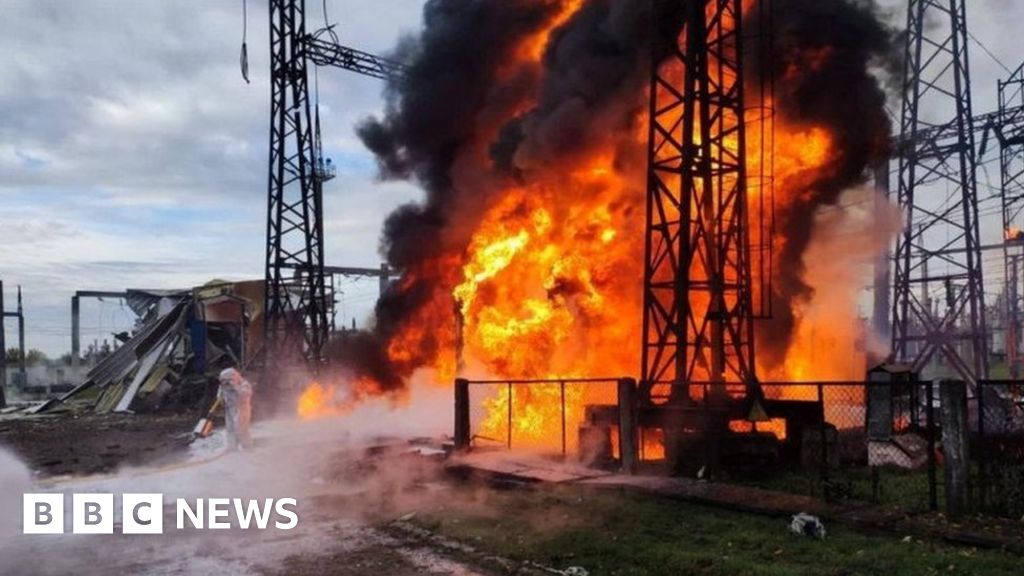
The conflict is also exposing a basic truth: infrastructure is only invisible when it works. Roads, electricity, and communications let people behave as if tomorrow will resemble today. Once those systems become unreliable, every other decision gets harder. Families shorten trips, stack errands, and rely on word of mouth for safety updates. Businesses do the same, but with thinner margins and less room for error.
This is where war becomes self-reinforcing. The more people optimize for risk, the less normal economic life can function. Shops close earlier. Deliveries slow down. Employees stay home. The state loses tax revenue just as demand for assistance rises. Repairs matter, but so does confidence. Without both, rebuilding becomes a slow argument against fear.
Schools, hospitals, and the hidden breakdown
The most revealing damage often happens away from the blast site. Schools, clinics, and neighborhood services absorb shocks that larger institutions cannot fully carry. Parents ask whether it is worth sending children to class. Doctors and nurses work through uncertainty, often with fewer supplies and more patients. Local leaders try to keep services running while the ground shifts beneath them.
That hidden breakdown matters because it changes the rules of survival. A family can handle one disrupted day. It cannot absorb weeks of improvisation without consequences. Missed lessons become lost months. Delayed treatment becomes a bigger health risk. Small disruptions stack until they look like a new normal.
Healthcare under pressure
Even when hospitals remain open, the system can be strained by transport problems, staffing gaps, and supply interruptions. A delayed ambulance or an unavailable medicine can turn a manageable condition into a crisis. Families then absorb tasks the state cannot reliably cover: caregiving, transport, payments, and the constant search for alternatives.
Private clinics can fill some gaps, but only for households with cash or insurance. For everyone else, the system becomes a queue management exercise. The people with the least flexibility wait the longest. That is not just a health story. It is a social one. When people begin to expect that essential care may be unavailable, they ration treatment, postpone appointments, and lose confidence in institutions that are supposed to protect them.
Education becomes intermittent
Schools are among the first places to reflect political instability. Closures, shortened hours, and displaced students turn education into a patchwork. Children can catch up on lost lessons, but the real cost is less visible: weaker concentration, missed exams, and a sense that planning ahead is pointless. Over time, that can shape whether families stay, move, or invest in the country at all.
Teachers and administrators face a similar bind. They have to choose between continuity and safety, often with incomplete information. That makes lesson planning fragile and exam cycles unreliable. Once education becomes intermittent, the damage stretches beyond one semester. It weakens the country’s future labor force, its confidence in public institutions, and its ability to hold on to young people who are already considering leaving.
When war becomes routine, the decisive story is no longer the blast radius. It is the shrinking space for ordinary life.
The economic shock behind daily life in Lebanon
Economies do not wait for formal declarations of crisis. They react to fear, disrupted logistics, and uncertainty. In Lebanon, that means small businesses are often the first to feel the squeeze. A shop owner who cannot predict customers will cut staff hours. A taxi driver who fears unsafe roads will pass on trips. A family that expects another week of instability will delay every non-essential purchase. Multiply that behavior across a country and the slowdown becomes self-reinforcing.
The result is brutal: war drains spending power exactly where households are already weakest. Food inflation bites harder. Medical costs climb. Informal workers, who often lack savings or contracts, have no cushion. What looks like a temporary disruption can quickly become a prolonged social injury. Remittances and family transfers help, but they are not a macroeconomic strategy. They keep households afloat while the broader economy keeps shrinking.
Businesses, wages, and the informal safety net
In a normal economy, commerce absorbs shocks through reserves, insurance, and supply redundancy. Lebanon does not have much of that luxury. Instead, it relies on improvisation, family support, and local trust. Those systems are resilient in a crisis, but they are not infinite. When a war keeps people away from markets and workplaces, the informal safety net starts to thin out.
That matters because the smallest firms often carry the largest share of daily employment. A closed bakery, a shuttered repair shop, or an empty café is not a symbolic loss. It is lost wages, missed meals, and fewer reasons for people to keep investing in their neighborhoods. The visible violence is only one part of the story. The economic erosion is what lingers.
The psychology of spending
Households change behavior fast when the future looks unstable. They buy less, store more, and postpone anything that feels optional. That caution is rational, but it also deepens the downturn. The market does not just lose purchases. It loses confidence. Once people expect more disruption, they stop planning in the way a healthy economy requires.
This is where the war’s impact becomes structural. Businesses cannot hire if demand is weak. Workers cannot spend if wages are cut. Local governments cannot repair if revenue falls. The cycle is familiar in conflict zones, but it remains devastating because it turns every private act of caution into a public economic drag.
Why daily life in Lebanon shapes politics
This is where the analysis gets bigger than Lebanon. Daily life is not a side effect of war. It is the terrain on which public consent, resilience, and political pressure are built. When people cannot safely work, move, or educate their children, they begin to judge leadership by a single standard: can it restore predictability?
That pressure can cut multiple ways. It can strengthen local solidarity. It can also deepen frustration with institutions that already struggle to deliver. Lebanon’s political class has heard versions of this warning before. The problem is not awareness. It is capacity, coordination, and trust. The longer the conflict lasts, the more citizens are forced to make decisions with no good options.
Three scenarios for the months ahead
A contained but chronic disruption: The most likely short-term outcome is not a neat return to normal, but a prolonged state of managed instability. Schools reopen unevenly. Businesses operate below capacity. Families keep moving between caution and hope.
An expanded emergency: If violence spreads or intensifies, the humanitarian load grows fast. More displacement, more service failures, and more pressure on already fragile institutions would push daily life further into survival mode.
A fragile recovery: Even if the violence eases, the recovery would not be immediate. Confidence returns slowly. Households need proof that roads are safe, schools are stable, and services can hold. Without that proof, people may not come back when the headlines fade.
- Watch displacement patterns: They show whether people believe the danger is temporary or open-ended.
- Watch service access: Clinics, schools, and transport reveal how deep the disruption runs.
- Watch small business activity: Shops and markets are the quickest read on economic confidence.
- Watch return behavior: If families hesitate to go back, the crisis has moved from emergency to normalization.
What this means for the region
Observers sometimes treat Lebanon as a peripheral theater in a larger regional conflict. That framing misses the point. A sustained shock in Lebanon affects migration flows, regional trade, humanitarian demand, and the credibility of state institutions across the Levant. When daily life in Lebanon breaks down, the consequences do not stay neatly within national borders.
There is also a strategic lesson here: wars are increasingly judged not only by territory gained or lost, but by the extent to which they make everyday life impossible. The side that can force the other population into constant disruption gains leverage, even without dramatic battlefield movement. That is why civilian resilience has become a central metric of conflict, not a peripheral one.
Why this matters: The war is not only redrawing maps and alliances. It is redefining what normal life can look like in Lebanon, and that shift will outlast the next news cycle.
The information provided in this article is for general informational purposes only. While we strive for accuracy, we make no guarantees about the completeness or reliability of the content. Always verify important information through official or multiple sources before making decisions.