Pope Leo Challenges Trump and Tyrants
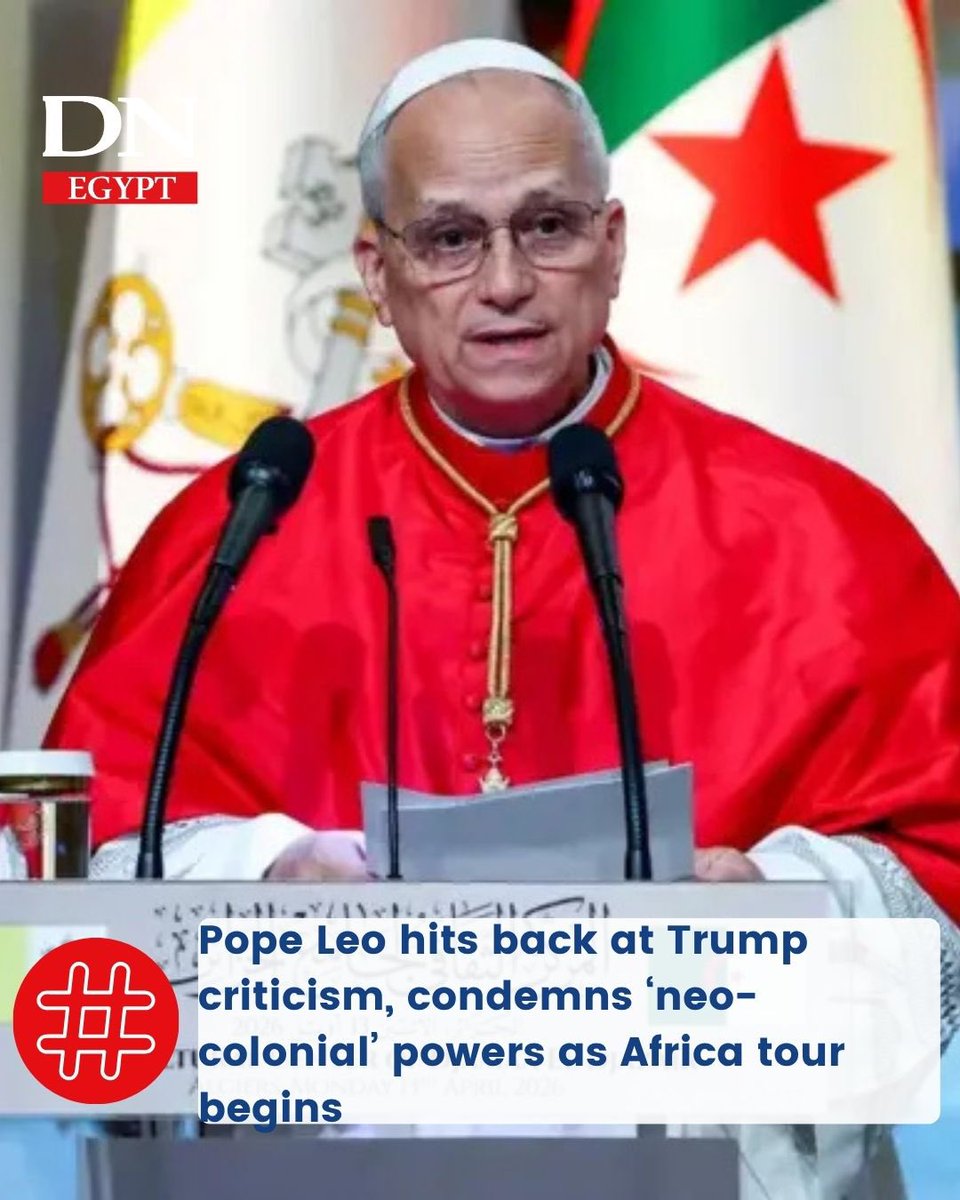
Pope Leo Trump criticism arrives at a moment when the world’s moral vocabulary is fraying. Wars are multiplying, strongmen are selling themselves as peace brokers, and American politics keeps exporting its own noise across borders. That makes every sentence from the Vatican land like a flare in the dark. Pope Leo is not merely commenting on conflict. He is trying to redraw the line between legitimate authority and raw coercion. By putting Trump, war, tyrants, Iran, and Africa in the same frame, he is arguing that violence is not a regional problem or a partisan talking point. It is a system. Once leaders normalize cruelty, they do not just damage enemies. They erode the institutions that keep pressure from becoming catastrophe. That is why this message matters far beyond Catholic circles.
- Big picture: Pope Leo is using moral language to challenge the logic of domination, not just one politician.
- Global scope: The message connects U.S. politics, Middle East tensions, and African conflicts as one ethical problem.
- Why it lands: A pope can shape the terms of debate even without military or economic power.
- What to watch: Repetition matters, because papal influence grows when a theme becomes a pattern.
Pope Leo Trump criticism lands in a volatile moment
The Vatican rarely moves like a campaign headquarters, and that is precisely why its interventions still matter. Pope Leo does not need to win a news cycle to shape one. He speaks from a seat that is not electoral, not military, and not economic, yet still globally recognizable. That gives his language a different kind of weight.
When he links political hardball with war and tyranny, he is making a moral argument that cuts across ideology. The point is not that every leader named in the same breath is identical. The point is that political systems become more dangerous when leaders reward domination, flatten truth, and treat human suffering as an acceptable cost of power.
A pope rarely changes policy directly, but he can change the terms on which policy is discussed. That is influence with a long shelf life.
The Vatican’s unusual leverage
The Holy See has no army and no sanctions regime. Its power is softer, but softer is not the same as weaker. For millions of Catholics, and even for many non-Catholics, the papacy still functions as a moral reference point. In an era of algorithmic outrage, that matters. It gives Leo the ability to speak in a register that is less about left and right and more about dignity, restraint, and the price of dehumanization.
That also means his words travel differently. A papal warning can be welcomed, dismissed, or distorted, but it is harder to ignore than a routine political speech. Leaders know that a pope can embarrass them without naming them, and sometimes that is the sharper blade.
Why Pope Leo Trump criticism matters from Iran to Africa
One reason the message cuts through is that it connects places that are often discussed separately. Iran is treated as a strategic file. African conflicts are often treated as perpetual headlines. But from a moral perspective, both reveal the same failure: powerful actors turning people into leverage.
Trump as a symbol, not just a person
Trump remains a global shorthand for confrontational politics, personalist power, and a rhetoric that rewards dominance over deliberation. Whether people admire or oppose him, they understand the signal. By invoking him, Leo is not just making a domestic American comment. He is naming a style of politics that normalizes escalation and treats institutions as obstacles rather than safeguards.
That matters because the language of politics is never just language. It teaches people what to expect from leaders. If the public learns that loudness equals strength and humiliation equals victory, then the threshold for cruelty keeps dropping.
Iran and Africa expose the same moral problem
Iran sits at the center of a long, dangerous contest over nuclear risk, regional proxy wars, and the survival logic of authoritarian states. Africa, meanwhile, remains burdened by conflicts that are too often underreported until they spill into migration crises, famine, or international security debates. In both places, civilians pay the highest price while elites frame the suffering as strategic necessity.
Pope Leo’s intervention works because it refuses that framing. He is not accepting the idea that some lives are more negotiable than others. He is reminding listeners that war is never clean, and tyranny rarely begins with tanks. It usually starts with language that makes human loss sound abstract.
Strongmen thrive when cruelty is described as efficiency and when silence is sold as realism.
What Pope Leo is really signaling
The deeper message is not that one politician or one country represents all evil. It is that the habits of domination are contagious. When leaders turn conflict into theater, they encourage imitators. When they dismiss the vulnerable, they teach institutions to do the same. The Vatican sees this pattern clearly because it has spent centuries watching states rise, fracture, and rationalize their own excesses.
That historical memory is part of the papal advantage. Popes can sound old-fashioned, but old-fashioned in this context means long view. Leo is speaking as if the next election is not the only horizon that matters. He is asking what kind of political culture will be left after the rally fades and the ceasefire breaks.
For supporters, that can feel bracing. For critics, it can sound preachy or naive. Both reactions miss the point. The papacy is not trying to out-argue diplomats. It is trying to keep moral language from collapsing into political convenience.
Why Pope Leo Trump criticism matters now
This moment is especially volatile because the world is already overloaded with overlapping crises. The temptation in that environment is to reduce everything to pragmatism. If a move seems useful, it is defended. If it is brutal, it is called necessary. Pope Leo is pushing against that drift.
For Catholics, that means the church is being asked to do more than comfort. It is being asked to judge. For U.S. policymakers, it means the moral cost of foreign and domestic rhetoric is once again on display. For observers in conflict zones, it is a reminder that global attention still tends to arrive late, and often only after violence has become impossible to pretend away.
- For voters: Watch whether leaders respond to moral critique with reflection or mockery.
- For diplomats: Notice how papal language can reopen humanitarian questions that politics has buried.
- For journalists: Track whether the message shifts from a headline to a sustained theme.
- For institutions: Measure whether calls for restraint translate into policy, aid, or pressure.
Pro tip for reading Vatican signals
Do not look only at who is named. Look at the pattern being built. When a pope links unrelated flashpoints, he is usually describing a worldview, not just reacting to an event. That is where the long-term significance lives.
The bigger bet behind the papal message
Pope Leo appears to be betting that moral clarity still has political force. That is a risky bet in an era that often mistakes cynicism for sophistication. But the alternative is worse. If every crisis is reduced to tactical advantage, then the public sphere becomes a marketplace for excuses. Tyrants love that marketplace because it sells ambiguity as intelligence.
The Vatican’s counteroffer is older and, paradoxically, more modern than it sounds: human beings are not variables. Civilian lives are not bargaining chips. Nations do not become great by teaching the world to shrug at suffering.
That sounds simple. It is not. It is one of the hardest arguments to make in public life, especially when leaders prefer the language of force. Yet this is exactly why Leo’s intervention lands with force. It refuses the euphemisms that let violence hide in plain sight.
The real fight is not only over territory or elections. It is over whether power still answers to conscience.
What to watch next
The next move will tell us whether this was a one-off statement or the start of a broader papal campaign on war and authoritarianism.
- Does Leo repeat the same themes in future speeches and audiences?
- Do political leaders respond directly, or try to ignore him?
- Does the Vatican sharpen its language on humanitarian crises in Africa and the Middle East?
- Does the U.S. political press treat the message as theology, or as a critique of power?
If the answer to those questions is yes, then Pope Leo Trump criticism will not fade as another papal soundbite. It will become part of a larger struggle over what kind of leadership the world is willing to reward. And that, more than any single headline, is the real story.
The information provided in this article is for general informational purposes only. While we strive for accuracy, we make no guarantees about the completeness or reliability of the content. Always verify important information through official or multiple sources before making decisions.