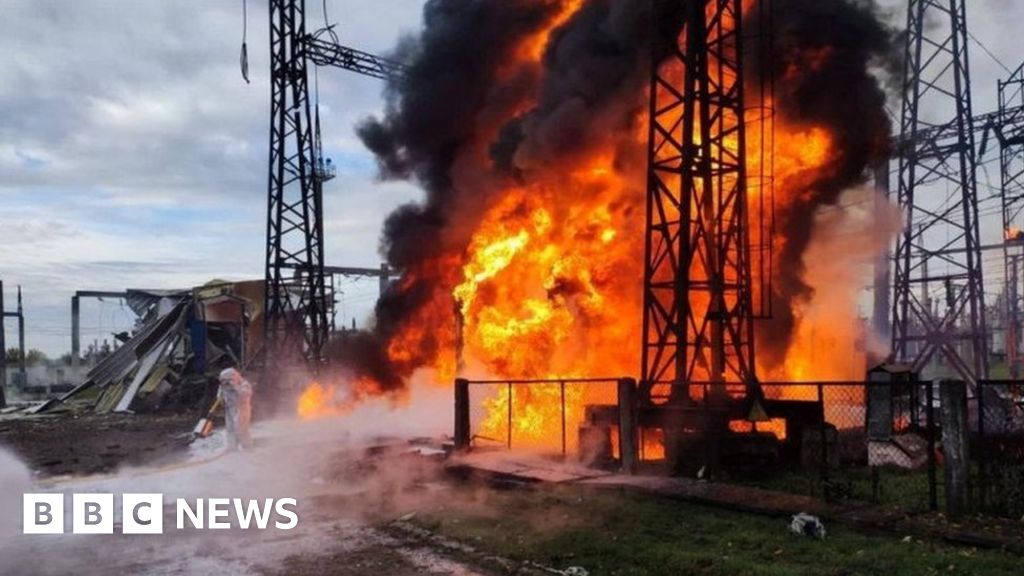
Kuwait blaze exposes migrant safety crisis

The Kuwait migrant worker fire ripped through a crowded apartment block and turned a routine shift-change into a scramble for survival. For families in Kerala, Cairo, and Manila, the overnight blaze was not an isolated tragedy but proof of a system that treats human beings as disposable line items. Migrant labor props up Gulf construction and services, yet the very people who build skylines are packed into aging blocks with blocked exits, failing alarms, and minimal oversight. The shock in Kuwait City is matched by anger across South Asia and Africa: how many times must governments promise reform before another building turns into a trap? The question is not whether the Gulf needs migrant labor – it does – but whether those workers will continue to pay with their lives.
- Dozens of migrant workers died, exposing chronic overcrowding and lax housing enforcement.
- Officials vowed crackdowns, but past pledges rarely reached the dorm-style blocks where accidents start.
- Recruitment pipelines from India, Egypt, and the Philippines face scrutiny over accountability and insurance.
- The blaze intensifies pressure on Gulf states to align housing and labor rules with
ILOstandards. - Tech-driven inspections and worker-owned reporting tools could make dangerous buildings impossible to hide.
How the Kuwait migrant worker fire unfolded
Investigators say the blaze began before dawn in a residential block packed with service and construction staff. Witnesses report sparks near a ground-floor kitchen, followed by thick smoke funneling up a stairwell that doubled as the only practical exit. With emergency lighting out and alarms either silent or ignored, residents tried to force jammed doors while others jumped from windows. By the time firefighters cut through the locked gate, dozens were unconscious from smoke inhalation. Officials later confirmed the building was licensed for far fewer occupants than the headcount living there.
What we know about the building
The property was part of a cluster of worker accommodations managed by a facilities contractor that sublet to multiple employers. Local housing codes require clear egress routes, metal fire doors, and tested alarms, yet early inspections found none of the hallmarks of compliance. Interior partitions had been added to subdivide rooms, creating narrow corridors and dead ends. Power strips snaked across floors, suggesting overloaded circuits. Neighbors told local reporters that the building’s civil defense clearance expired months ago.
Who the victims were
The dead and injured were mostly men aged 20-45 from India’s Kerala and Tamil Nadu regions, alongside smaller groups from Egypt, Nepal, and the Philippines. Many worked night shifts in logistics or construction and were asleep when the fire started. Families back home depended on remittances that often eclipsed local salaries, and many workers had taken on recruitment debt to secure their contracts. Local embassies scrambled to compile names and support repatriation, a process often slowed by inconsistent employer records.
Government response and arrests
Within hours, Kuwait’s interior ministry detained the building owner and a site supervisor on charges of negligence and manslaughter. Officials promised a sweeping inspection of similar accommodations and threatened to deport employers who violate occupancy and safety rules. Past crackdowns, however, stalled after initial raids, in part because construction timelines and service contracts depend on keeping workers close and costs low. Without transparent enforcement data, it is hard to know whether this response will outlast the news cycle.
Why the Kuwait migrant worker fire exposes structural failures
The blaze is not just a Kuwait story. The Gulf’s economic model relies on a steady flow of migrant workers who often live in employer-provided housing. That arrangement concentrates power: bosses control visas, salaries, and shelter. When accommodation doubles as leverage, complaints risk retaliation or deportation. The result is a hidden housing market where fire exits are welded shut to prevent theft and bunk beds line hallways to maximize rent.
Overcrowding and the math of exploitation
Employers squeeze margins by stacking eight to twelve people in rooms sized for four. At Kuwait’s average labor camp rent, every extra bunk turns into pure profit. This overcrowding complicates evacuation and accelerates smoke inhalation. Overloaded circuits from dozens of phone chargers and hot plates turn minor sparks into lethal fires. The math is simple: substandard housing is a revenue stream until regulators show up.
Regulatory fragmentation
Multiple agencies share responsibility for worker housing: labor ministries oversee contracts, municipalities issue building permits, and civil defense handles safety. When oversight fragments, accountability evaporates. Paper-based inspections are easy to manipulate, and follow-up visits are rare. Adding digital trails – QR-coded occupancy limits, IoT smoke detector logs, and public inspection results – would make it harder for landlords to hide non-compliance and easier for workers to verify that their dorms are legal.
Recruitment debt and silence
Migrant workers often arrive in Kuwait owing between three and six months of wages to recruiters. Debt makes people compliant. Complaints about blocked exits or faulty alarms risk termination and deportation before loans are paid. A credible reform must therefore tackle recruitment fees and visa sponsorship models that tie residency to a single employer. Without mobility, a worker who speaks up loses both job and housing.
Context: A pattern of preventable disasters
Similar tragedies have hit the Gulf before. Bahrain and the UAE have seen fatal dormitory fires tied to faulty wiring. Qatar’s World Cup construction boom prompted international scrutiny of worker housing after images of cramped camps went viral. Each incident spawns promises of reform, yet the same hazards reappear: locked doors, absent alarms, and no emergency drills. The Kuwait migrant worker fire simply pushes the issue back into global view.
Global pressure and reputational risk
Major project owners – from hotel chains to sovereign wealth-backed developers – depend on clean reputations to attract investment. A single viral video of workers leaping from windows can derail a branding campaign. Pressure from investors and trade partners could shift incentives: audits tied to financing, insurance premiums that reflect safety records, and public scorecards for contractors. These tools turn safety into a business metric rather than an afterthought.
Embassy and diaspora demands
India and the Philippines have long negotiated labor agreements with Gulf states, but enforcement remains uneven. After this fire, diaspora groups are calling for mandatory housing inspections before work visas are issued, plus emergency hotlines staffed in native languages. Some advocate for pooled insurance that covers medical care and repatriation regardless of employer disputes. These demands show a growing sophistication in how migrant communities leverage diplomatic channels.
What real reform would look like
Ending preventable housing deaths requires a mix of policy, technology, and worker agency. Promises to prosecute a landlord are not enough. The question is whether Kuwait and its neighbors will redesign the system that made the fire possible.
Digitized inspections and open data
Paper inspections breed opacity. A more credible approach would register every dormitory in a central database, assign a scannable building-ID, and mandate quarterly uploads of fire drill logs, alarm tests, and occupancy counts. Randomized third-party audits could validate data. Publishing inspection grades would let employers benchmark themselves and give workers a way to verify claims before signing contracts.
Worker-owned reporting channels
Anonymous reporting apps tied to multilingual helplines could lower the risk of retaliation. Complaints should trigger rapid inspections and temporary relocation rights. Some Gulf firms already pilot chatbots that accept voice notes in Hindi, Tagalog, or Arabic and forward them to regulators. Scaling these tools would make dangerous buildings impossible to hide.
Aligning housing with project bidding
Developers could require proof of compliant housing as part of tender submissions. Contracts might include liquidated damages for safety breaches and allow clients to shift work to alternate suppliers if violations persist. Linking housing compliance to payments changes the cost calculus: cutting corners becomes more expensive than compliance.
Insurance as enforcement
Insurers can be allies in reform. Premium discounts for buildings with networked smoke detectors, sprinkler systems, and documented drills create financial incentives to upgrade. Conversely, non-compliant buildings should be uninsurable, raising risks for contractors who depend on coverage for major projects.
Pro tips for companies employing migrant labor
Companies that rely on migrant labor have levers they can pull today. Waiting for regulators is risky. A handful of practical steps can prevent the next headline.
- Audit every dorm using a third-party safety checklist, including
egress,electrical load, and alarm functionality. - Cap occupancy per room and remove ad hoc partitions that block airflow and escape routes.
- Install networked smoke detectors and maintain a digital log of monthly tests.
- Run quarterly fire drills and post evacuation maps in every language spoken on-site.
- Offer anonymous reporting via
SMSor app channels and guarantee no-retaliation relocation.
Why this matters beyond Kuwait
The Gulf’s skyscrapers and malls are symbols of ambition, but the Kuwait migrant worker fire underscores the human cost behind the steel and glass. Without transparent safeguards, the region risks losing the trust of the very workforce it depends on and the investors who watch reputational risk closely. Safe housing is not charity. It is infrastructure as critical as cranes and concrete.
Key insight: If migrant labor is the backbone of Gulf growth, then safe, dignified housing is the spine that keeps that backbone upright.
Reform will succeed only if it outlives the headlines. That means codifying digital inspections, rewarding employers who exceed standards, and empowering workers to report hazards without fear. Otherwise, the next blaze is only a faulty wire or jammed door away – and the Gulf’s promise of prosperity will be overshadowed by preventable loss.
The information provided in this article is for general informational purposes only. While we strive for accuracy, we make no guarantees about the completeness or reliability of the content. Always verify important information through official or multiple sources before making decisions.