Lab Grown Meat Faces a Global Reality Check
Lab Grown Meat Faces a Global Reality Check
Lab grown meat was supposed to be one of those rare breakthroughs that felt inevitable: cleaner protein, less land use, fewer emissions, and a food system less dependent on industrial farming. That was the pitch. The reality is hitting harder. Governments are splitting over how to regulate it, consumers remain cautious, and startups that once sold a near-future revolution are now confronting the oldest problem in food and tech: scale. The result is a turning point that matters far beyond a niche aisle in the grocery store. This is becoming a test of whether climate-friendly innovation can survive politics, economics, and public skepticism all at once.
- Lab grown meat is moving from hype cycle to regulatory and commercial stress test.
- Cost, production scale, and consumer trust remain the biggest barriers to mass adoption.
- Political backlash shows food innovation is now a cultural and economic flashpoint.
- What happens next will shape biotech investment, food policy, and climate strategy.
Why lab grown meat suddenly looks more complicated
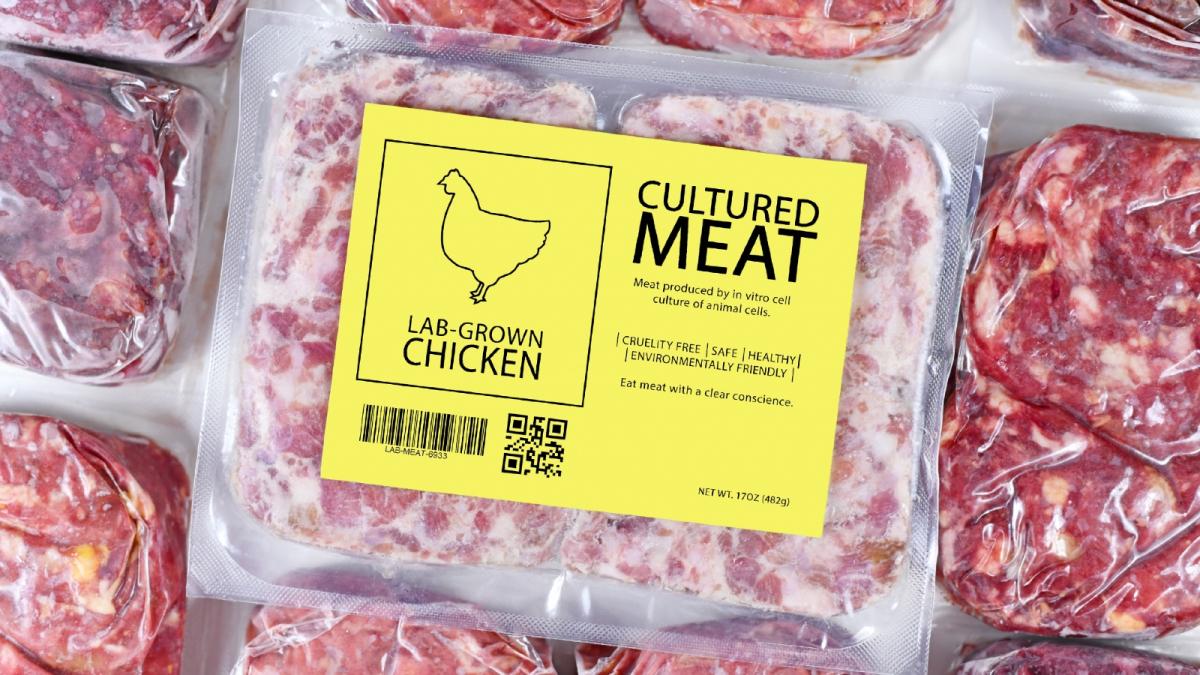
The core idea behind lab grown meat is straightforward: take animal cells, grow them in controlled conditions, and produce meat without raising and slaughtering entire animals. For years, that proposition attracted investors, climate advocates, and a generation of founders eager to rebuild food from the cellular level up.
But there is a difference between a breakthrough in a pilot facility and a product that survives contact with national politics, household budgets, and supermarket behavior. That gap is now impossible to ignore. As governments debate safety, labeling, and whether these products should even be sold, the conversation has shifted from futuristic promise to practical legitimacy.
The big question is no longer whether cultivated meat can be made. It is whether it can be made cheaply, consistently, and at a scale ordinary consumers will accept.
That distinction matters. Tech often wins by improving quickly after launch. Food is different. Consumers do not beta test dinner the way they test apps. They ask whether it tastes right, whether it is safe, whether it is affordable, and whether it feels natural enough to trust.
What regulators are really deciding
At first glance, fights over cultivated protein can look like narrow policy disputes. They are not. Regulation is effectively deciding who gets to shape the future of meat: traditional agriculture, biotech startups, or some uneasy mix of both.
Safety is only one part of the issue
Any product made from animal cells grown in bioreactors will face questions about contamination, oversight, production standards, and labeling. Those are legitimate concerns. But regulation is also being used as a proxy war over economics and identity.
For incumbents in livestock and conventional meat processing, lab grown meat threatens more than shelf space. It challenges a supply chain built over decades, backed by political influence, cultural familiarity, and rural employment. Lawmakers responding to that pressure may frame restrictions around consumer protection, but the underlying stakes are much broader.
Language matters more than it seems
Should these products be called meat? Should labels say cell-cultivated, lab-grown, or something more technical? These are not branding footnotes. Labeling shapes trust, disgust, curiosity, and willingness to buy.
The term lab-grown is sticky because it is vivid, but it can also make the product feel synthetic or experimental. Companies usually prefer terms like cultivated meat because they sound cleaner and more food-friendly. Regulators know that whichever language wins could influence the entire category.
Why the economics are still brutal
The biggest challenge for lab grown meat is not theoretical science. It is industrial math.
Growing cells at small scale in a controlled environment is expensive. The equipment is costly, the inputs are specialized, and maintaining consistency across larger batches is technically demanding. A startup can impress investors with a demonstration, but a food company has to answer harsher questions: can this product hit target margins, survive distribution, and compete with chicken, pork, or beef that consumers already understand?
The scale problem is the real problem
There is a reason food manufacturing tends to favor systems that are boring, repeatable, and ruthlessly optimized. Bioreactors and cell media can deliver precision, but they also introduce complexity. If one variable shifts, throughput, texture, and cost can move in the wrong direction fast.
That creates a painful mismatch between investor timelines and food-system timelines. Venture capital often wants rapid growth. Food infrastructure usually rewards patience, compliance, and operational discipline. Those are not impossible to reconcile, but they are rarely a clean fit.
Pro tip for investors and operators
- Watch unit economics, not headlines: Regulatory approvals can drive excitement, but cost per kilogram is what will define the category.
- Follow hybrid products: Blends that combine cultivated cells with plant-based ingredients may reach viable pricing sooner.
- Pay attention to manufacturing partnerships: Companies that can integrate with existing food infrastructure may have an edge over pure-play disruptors.
Consumer trust is the battlefield nobody can skip
The food-tech industry has learned a hard lesson over the past several years: sustainability alone does not guarantee adoption. Plant-based meat already demonstrated that a wave of enthusiasm can fade once consumers evaluate taste, price, and everyday usefulness.
Lab grown meat faces an even steeper trust challenge because it is newer, less intuitive, and easier to politicize. For some buyers, the concept sounds innovative. For others, it triggers the exact opposite reaction: distance from nature, discomfort with industrial science, and suspicion of elite technological fixes.
If cultivated meat wants mass-market credibility, it cannot rely on novelty. It has to become familiar without becoming invisible.
That means the companies behind it need to communicate clearly. Not with marketing fog, but with direct explanations of how the product is made, what standards it meets, and why it exists. Consumers tend to punish food categories that feel overpromised and underexplained.
Why politics is now shaping the future of lab grown meat
Food has always been political, but cellular agriculture is colliding with a particularly combustible moment. Climate policy, agricultural subsidies, culture-war messaging, and economic anxiety are all flowing into the same debate.
For supporters, cultivated protein represents a strategic tool: potentially lower emissions, less reliance on animal slaughter, and new ways to improve food resilience. For critics, it can look like a threat to farmers, a symbol of overreach by tech elites, or an unnecessary answer to a problem they do not agree needs solving.
This is bigger than one product category
The outcome here could influence how governments approach adjacent technologies, from precision fermentation to gene-edited crops. If policymakers decide that consumer unease is enough to justify aggressive restrictions, the message to the broader food-biotech sector will be unmistakable: technical progress is not enough. Social permission is now part of the operating environment.
That should matter to founders and policymakers alike. A country that blocks or slows food innovation may protect incumbents in the short term, but it may also lose manufacturing expertise, scientific talent, and strategic leverage in a sector likely to grow over time.
What the best-case future actually looks like
The strongest argument for lab grown meat has never been that it will replace all conventional meat overnight. That was always unrealistic. The more plausible scenario is gradual integration.
Expect a multi-lane market
A likely future includes several protein tracks operating at once:
- Conventional meat remains dominant in the near term.
- Plant-based products keep serving cost-conscious and flexible consumers.
- Cultivated meat enters through premium, limited, or blended offerings first.
- Specialized use cases, such as high-end restaurants or supply-constrained categories, become early proving grounds.
That kind of rollout would be less cinematic than the original disruption narrative, but much more believable. It would allow producers to improve process efficiency, collect real consumer feedback, and build confidence step by step.
Why this matters for climate and supply chains
If cultivated meat can eventually reduce pressure on land, water, and intensive livestock production, even partial adoption could matter. But those gains will depend on the energy mix powering production, the sourcing of growth media, and whether facilities can operate at scale without turning sustainability claims into accounting tricks.
That is where scrutiny is healthy. Food-tech companies should be expected to prove environmental benefits, not merely imply them. A more skeptical market could actually improve the category by forcing stronger evidence and more realistic claims.
The Verge-style bottom line on lab grown meat
Lab grown meat is not dead, and it is not the instant food revolution some boosters once implied. It is entering a tougher, more honest phase. That is good news if you care about serious technology rather than glossy narratives.
The path forward will likely be slower, more regulated, and more politically charged than the industry expected. Some startups will not survive it. Others may pivot, consolidate, or focus on narrower applications before chasing mainstream scale. The winners, if there are clear winners, will be the companies that treat food as more than a software metaphor. They will have to earn trust, master manufacturing, and navigate regulation with unusual discipline.
For readers tracking the future of food, this moment is important because it exposes a bigger truth about modern innovation. Breakthroughs do not succeed just because they work in theory. They succeed when science, economics, regulation, and public belief line up closely enough to support a real market.
That is the real test now. Not whether cultivated meat can be grown in a tank, but whether it can survive the far messier system outside it.
The information provided in this article is for general informational purposes only. While we strive for accuracy, we make no guarantees about the completeness or reliability of the content. Always verify important information through official or multiple sources before making decisions.