Lula Defends Brazil Sovereignty
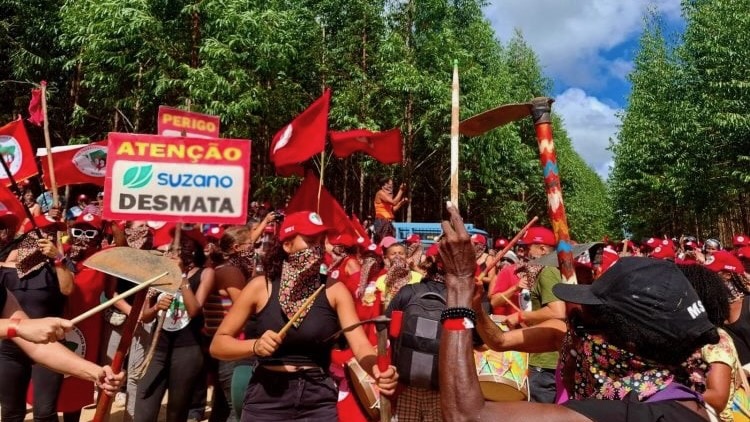
Brazil sovereignty is no longer a diplomatic abstraction. It is becoming a front-line political battle over who gets to shape democracy, prosecute alleged coup plots, regulate economies, and speak for the Global South. At the UN General Assembly, President Luiz Inacio Lula da Silva used Brazil’s opening spotlight to send a blunt message: outside powers do not get a veto over Brazil’s institutions. His warning against foreign interference was not just aimed at one government or one dispute. It was a broader defense of national self-determination at a moment when tariffs, sanctions, platform politics, and ideological alliances increasingly blur the line between diplomacy and pressure campaigns.
- Lula framed Brazil sovereignty as a democratic issue, not just a nationalist slogan.
- His message pushed back against external pressure linked to Brazil’s domestic political and judicial affairs.
- The speech reinforced Brazil’s bid to lead a more assertive Global South within
multilateralism. - The bigger fight is over whether powerful states can influence democratic outcomes abroad without calling it interference.
Brazil Sovereignty Becomes Lula’s Global Message
Lula’s speech landed because it combined principle with political timing. Brazil is not a marginal actor asking to be heard. It is Latin America’s largest economy, a major food and energy producer, a climate power because of the Amazon, and a heavyweight in forums such as BRICS and the G20. When its president warns against interference, the message travels beyond Brasilia.
The core argument was simple: Brazil’s institutions must be allowed to function without external intimidation. That includes its courts, electoral system, legislature, media environment, and executive authority. In Lula’s framing, sovereignty is not a shield for abuse. It is the condition that allows democracy to operate without foreign actors tipping the scale.
Key insight: Lula is trying to redefine sovereignty for the current era. It is not isolationism. It is the right of a democracy to make hard internal decisions without geopolitical punishment.
That distinction matters. Modern interference rarely looks like tanks at the border. It can arrive through punitive trade measures, coordinated political messaging, platform-amplified disinformation, diplomatic threats, or elite lobbying networks. Lula’s speech recognized that the tools have changed, even if the old power dynamic remains familiar.
Why Brazil Sovereignty Is Not Just About Brazil
The speech should be read as part of a larger global argument. Governments across the Global South increasingly believe the international system applies principles selectively. Powerful countries preach rule of law when it suits them, but use economic leverage when court rulings, elections, or regulatory decisions go the wrong way.
Lula has spent much of his current presidency pushing for a more multipolar order. He wants Brazil to be seen as a bridge: democratic but independent, Western-facing but not Western-aligned, economically open but not subordinate. That posture can frustrate Washington, Brussels, Beijing, and Moscow at different times. But it is also exactly why Brazil’s position matters.
For Lula, defending Brazil sovereignty at the UN is also about defending room for middle powers to maneuver. If every domestic decision becomes subject to retaliation from larger states, then smaller and mid-sized democracies do not truly govern themselves. They negotiate under pressure.
The Democracy Angle
The most politically charged part of Lula’s message is its connection to democracy. Brazil has spent recent years dealing with the aftershocks of political polarization, attacks on institutions, election denialism, and allegations tied to anti-democratic organizing. In that context, foreign support for one faction or pressure against judicial proceedings can become explosive.
Lula’s argument rests on a democratic premise: elections and courts cannot be credible if foreign power becomes a shadow participant. Even when outside governments claim to defend freedom, they can undermine democratic legitimacy if they appear to pressure judges, prosecutors, regulators, or voters.
Editorial view: The strongest part of Lula’s case is that democracy cannot survive as performance theater. If domestic institutions are real, they must be allowed to produce outcomes that foreign capitals dislike.
The Foreign Interference Problem Has Evolved
The phrase foreign interference used to evoke spies, covert funding, propaganda radio, or military coups. Those threats still exist, but the current landscape is more complicated. Today’s interference can be legal, public, and dressed up as market discipline or human rights advocacy.
Consider the modern toolkit:
- Economic pressure: tariffs, sanctions, investment threats, and export restrictions.
- Diplomatic signaling: public warnings designed to influence domestic actors.
- Information operations: coordinated narratives spread through social platforms and partisan media.
- Legal pressure: attempts to challenge local regulatory or judicial decisions through international forums.
- Elite networking: political alliances that connect domestic opposition groups with foreign power centers.
None of these tools is automatically illegitimate. Democracies criticize each other all the time. Trade disputes are real. Human rights pressure can be necessary. But the boundary matters. Criticism becomes interference when it seeks to override lawful domestic processes or punish a country for allowing its institutions to work.
Pro Tip For Reading Lula’s Speech
Do not treat the sovereignty language as mere nationalist theater. The sharper question is whether Lula is setting a doctrine for Brazil’s diplomacy: cooperate widely, align selectively, and resist pressure when external actors try to shape domestic outcomes. That doctrine will influence trade, technology regulation, climate policy, and security relationships.
Brazil Sovereignty And The Global South Power Play
Lula’s remarks also fit neatly into Brazil’s long-running push for reform of global governance. The country has repeatedly called for changes to the UN Security Council, fairer financial institutions, and a stronger voice for developing economies. Sovereignty, in that sense, is tied to representation.
Many countries hear lectures about democracy from powers that dominate international finance, arms markets, technology infrastructure, and security alliances. Lula is tapping into that resentment while trying to avoid sounding anti-Western. His pitch is not that Brazil should reject the existing order entirely. It is that the order must stop treating sovereignty as a privilege reserved for the powerful.
This is where Lula’s message becomes strategically useful. By defending Brazil’s autonomy, he is also auditioning for leadership among countries that feel squeezed between major powers. That includes nations worried about debt, climate vulnerability, supply chains, digital dependence, and food security.
Why This Matters For Business And Tech
For investors, platforms, and multinationals, the sovereignty debate is not symbolic. It can affect regulation, taxation, content moderation, data rules, and industrial policy. Brazil has shown increasing willingness to regulate digital platforms, defend domestic industry, and link development to climate and social goals.
If Lula’s sovereignty doctrine hardens, companies should expect Brazil to be more assertive about data governance, environmental standards, labor protections, and platform accountability. The same applies to geopolitical trade-offs. Brazil may resist pressure to choose one bloc in technology supply chains, especially around critical minerals, energy, cloud infrastructure, and artificial intelligence.
That does not mean Brazil is closing itself off. It means access may come with political expectations: respect local law, engage institutions, and do not assume foreign capital automatically outranks democratic decision-making.
The Risk In Lula’s Argument
The danger for Lula is that sovereignty can be a flexible word. Around the world, leaders use it both to protect democracy and to dodge scrutiny. A strong sovereignty argument must be paired with transparency, judicial independence, press freedom, and credible elections. Otherwise, it becomes a convenient shield against accountability.
Brazil’s advantage is that Lula is grounding his case in institutional legitimacy. The speech works best when it says foreign governments should not intimidate courts or distort elections. It is weaker if sovereignty becomes a blanket rejection of criticism. Democracies should be able to withstand scrutiny. What they should not have to accept is coercion disguised as concern.
The balance is delicate: Brazil can reject interference without rejecting accountability. That is the line Lula must defend if he wants the argument to carry moral weight.
What Comes Next For Brazil Sovereignty
The practical test will come after the applause. Speeches at the UN can frame an era, but policy determines whether the frame holds. Watch how Brazil responds to external pressure in trade disputes, judicial controversies, climate negotiations, and digital regulation. Also watch whether Lula can keep domestic institutions strong enough to make his sovereignty argument credible.
There is also a diplomatic test. Brazil wants influence without becoming captive to any camp. That requires disciplined messaging. If Lula criticizes Western pressure while staying quiet about interference elsewhere, critics will call it selective. If he applies the principle consistently, Brazil can strengthen its claim to independent leadership.
The bigger story is that the age of passive middle powers is ending. Countries like Brazil, India, Indonesia, South Africa, and Mexico are no longer content to be policy takers. They want bargaining power. They want institutional reform. They want the right to disagree with major powers without being punished.
Lula Turns Sovereignty Into A Stress Test
Lula’s UN speech was not just a defense of Brazil. It was a stress test for the international system’s favorite language: democracy, sovereignty, law, and cooperation. These words are easy to celebrate in speeches and harder to respect when outcomes become inconvenient.
Brazil sovereignty now sits at the center of a bigger question. Can a major democracy in the Global South enforce its laws, defend its elections, regulate its economy, and choose its diplomatic path without external actors trying to bend the result? Lula’s answer was clear. Brazil will talk to everyone, but it will not outsource its democracy.
That is the right message for a more fragmented world. The hard part is making it consistent, credible, and durable when the pressure inevitably rises.
The information provided in this article is for general informational purposes only. While we strive for accuracy, we make no guarantees about the completeness or reliability of the content. Always verify important information through official or multiple sources before making decisions.