Lululemon Trips Over China Again
Lululemon Trips Over China Again
Lululemon has found itself in the kind of reputational mess that modern global brands fear most: a small event detail, a big cultural backlash, and a fast-moving apology that did not fully calm the storm. The company’s latest controversy, tied to a yoga event in China and a Japanese drum performance that drew criticism, is a reminder that brand sensitivity in China is no longer a side issue. It is a core business risk. For Western consumer companies, every visual cue, performer choice, and copy line can become a geopolitical signal. That makes brand sensitivity in China more than a PR problem. It is an operating challenge that touches marketing, local partnerships, and executive decision-making.
- Lululemon’s apology highlights how quickly cultural missteps become business risks in China.
- Global brands need local review layers, not just global brand guidelines.
- China-facing marketing now requires geopolitical awareness, not just creative polish.
- A single event can damage trust faster than a full ad campaign can rebuild it.
Why this apology matters now
The immediate issue is not the apology itself. It is the fact that the apology had to happen at all. Lululemon is a premium lifestyle brand built on trust, aspiration, and identity. That makes it especially vulnerable in markets where consumers expect companies to understand local norms and national sentiment. China is one of those markets, and it has become increasingly unforgiving toward brands that appear careless, detached, or tone-deaf.
For a company like Lululemon, the stakes go beyond one event. The brand depends on affluent, urban consumers who are highly online, highly connected, and quick to judge. A cultural error can spread through social platforms before corporate communications teams have even approved a response. That speed changes the economics of marketing. The old playbook of broad global campaigns with light localization is no longer good enough.
When a premium brand enters a sensitive market, every detail becomes part of the product. Not just the fabric, the logo, or the store experience – the symbolism too.
brand sensitivity in China is now a board-level issue
The phrase brand sensitivity in China may sound like a communications concern, but it is increasingly a strategic one. Companies are no longer judged only on product quality or service. They are judged on cultural fluency, political awareness, and whether they seem to respect local identity. That is especially true for foreign consumer brands operating in a market where nationalism can shape purchasing decisions overnight.
In practice, this means brands need more than translation. They need cultural auditing. A drum performance that feels harmless in one market can carry very different associations in another. A visual motif, soundtrack choice, or themed activation can become a flashpoint if it collides with historical memory or national pride.
What brands keep underestimating
Too many companies still treat localization as cosmetic. They swap out copy, adjust colors, and maybe hire a local celebrity, then assume they have done the work. They have not. Real localization means testing content through local teams with decision-making power, not just advisory roles.
- Review event concepts for cultural and political context before launch.
- Give local teams veto power, not just feedback rights.
- Stress-test creative assets for symbolism, not only language.
- Prepare response templates before controversy breaks, not after.
That last point matters more than many executives realize. Once a brand is in defensive mode, its response is constrained by the speed of the backlash and the tone set by the audience. A weak apology sounds scripted. A late apology sounds evasive. A strong apology still may not be enough if the underlying mistake suggests a pattern.
The China playbook has changed
There was a time when foreign brands could stumble in China and recover with a few product drops and some influencer support. That era is fading. Today, Chinese consumers are more sophisticated about brand positioning and more alert to perceived disrespect. Social media platforms can turn local disappointment into national scrutiny in hours. That means reputation risk is no longer a low-probability event. It is baked into the market structure.
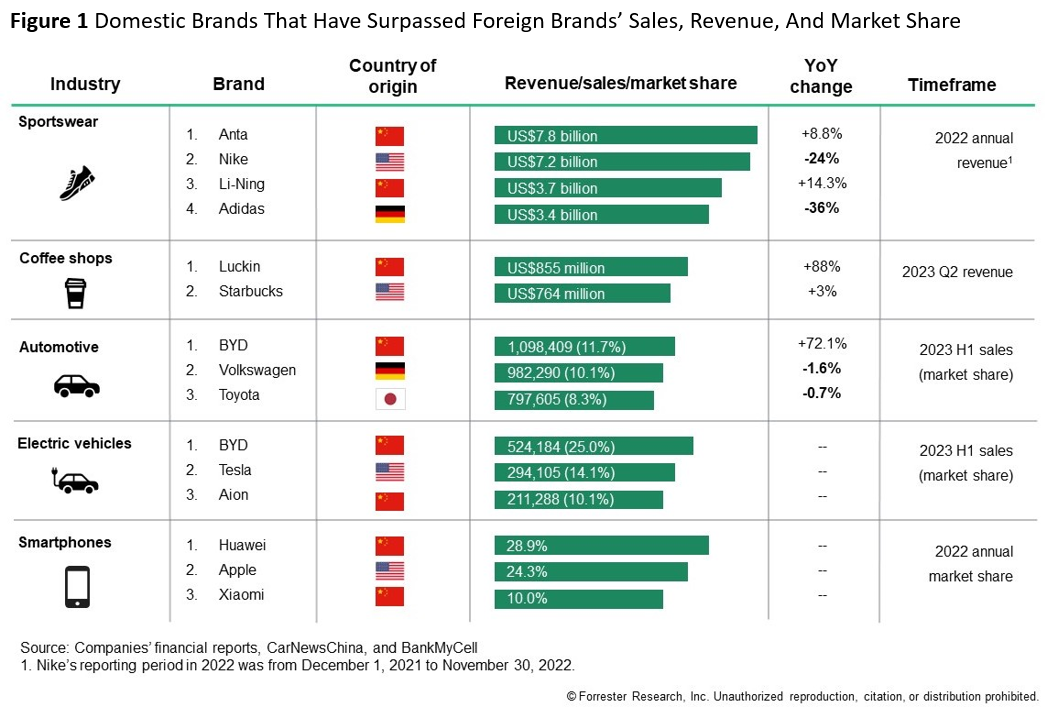
Lululemon is not alone in facing this pressure. Global fashion, beauty, and consumer tech companies have all learned that China is a market where the margin for error is thin. One bad campaign can trigger accusations of cultural insensitivity. One unlucky association can dominate the news cycle. And because brands often rely on premium pricing and emotional identity, reputational damage can hit revenue faster than in commodity categories.
Why luxury and lifestyle brands are especially exposed
Premium brands sell more than products. They sell a worldview. That worldview has to feel credible across markets, or the brand starts to look opportunistic. For a yoga and athleticwear company, the brand promise is rooted in wellness, balance, and self-improvement. A misjudged event can punch a hole straight through that promise.
That is why the reputational damage from a cultural mistake can be deeper than a routine PR issue. Customers are not just asking whether the company apologized. They are asking whether the company actually understands them.
Premium brands live or die on credibility. Once consumers start questioning your judgment, your premium starts to look like a tax.
How companies should respond
The best response is not simply to apologize faster. It is to build systems that make the mistake less likely in the first place. That starts with governance. Global brands operating in sensitive markets need clear escalation paths, local approval authority, and scenario planning that goes beyond standard crisis comms.
Here is a practical framework:
- Pre-launch review: Test every event, campaign, and partnership with local market leaders.
- Cultural risk scoring: Assign a risk level to themes, symbols, performers, and scripts.
- Rapid response protocol: Define who can approve statements within hours, not days.
- After-action review: Document what went wrong and update brand rules immediately.
That process sounds bureaucratic, but bureaucracy is often what keeps global brands from making expensive mistakes. Creative teams move fast by design. They need guardrails that move just as fast.
Pro tip for multinational brand teams
Do not rely on one local consultant or one market manager to catch every issue. Use a layered review model. Have a local expert, a regional lead, and a corporate risk owner all sign off on culturally sensitive activations. It is slower. It is also cheaper than a reputational fire.
And if the campaign involves live events, build a kill switch. If a venue, performer, or visual element starts generating concern before launch, the company needs permission to pause, re-edit, or cancel without turning the decision into a political debate internally.
What Lululemon can still salvage
Lululemon still has a path forward, but it depends on whether the company treats this as a one-off apology or a structural lesson. The most effective brands use crises to tighten controls and show humility without overexplaining. That means acknowledging the mistake, not arguing with the audience, and demonstrating visible change in future activations.
It also means listening to local consumers more seriously. Not through performative focus groups after the damage is done, but through continuous input from people who understand the market’s cultural and political sensitivities.
If the company responds well, it can still preserve some trust. But the brand should expect a longer recovery cycle than it would face in a less emotionally charged market. In China, trust is cumulative, and so is skepticism.
Why this matters for every global brand
This incident is bigger than one yoga event. It is a warning shot for any company that thinks global branding is just about consistency. Consistency matters, but so does context. The future belongs to brands that can hold a coherent identity while adapting intelligently to local realities.
That is especially true as consumer markets become more politically charged and digitally interconnected. A brand no longer controls the story once a controversy begins. The audience, the platform, and the local news cycle all get a vote. Companies that fail to account for that will keep making the same mistake: treating cultural nuance as optional until it becomes expensive.
For executives, the lesson is simple. If your brand is operating in China, brand sensitivity in China should sit alongside supply chain risk, regulatory compliance, and financial forecasting. It is not soft stuff. It is business continuity.
And for consumers, this kind of controversy is a reminder that global brands are always negotiating two audiences at once: the one they want to impress, and the one they can accidentally offend. The brands that survive are the ones that understand the difference before the headline does.
The modern brand crisis is rarely about one mistake. It is about whether the company had the systems to avoid predictable mistakes in the first place.
The information provided in this article is for general informational purposes only. While we strive for accuracy, we make no guarantees about the completeness or reliability of the content. Always verify important information through official or multiple sources before making decisions.