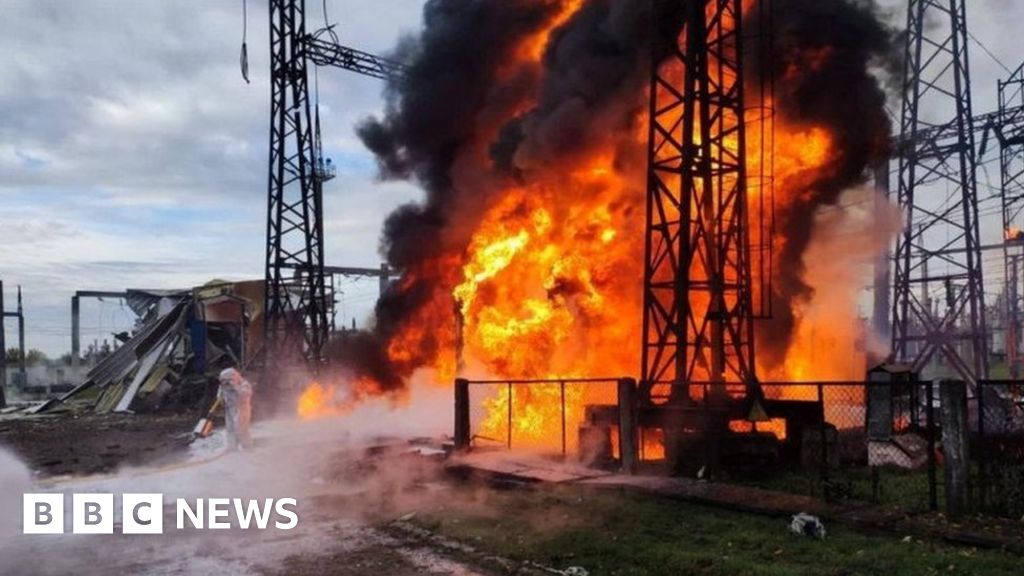
Mapping Iran’s Power Grid Under Threat
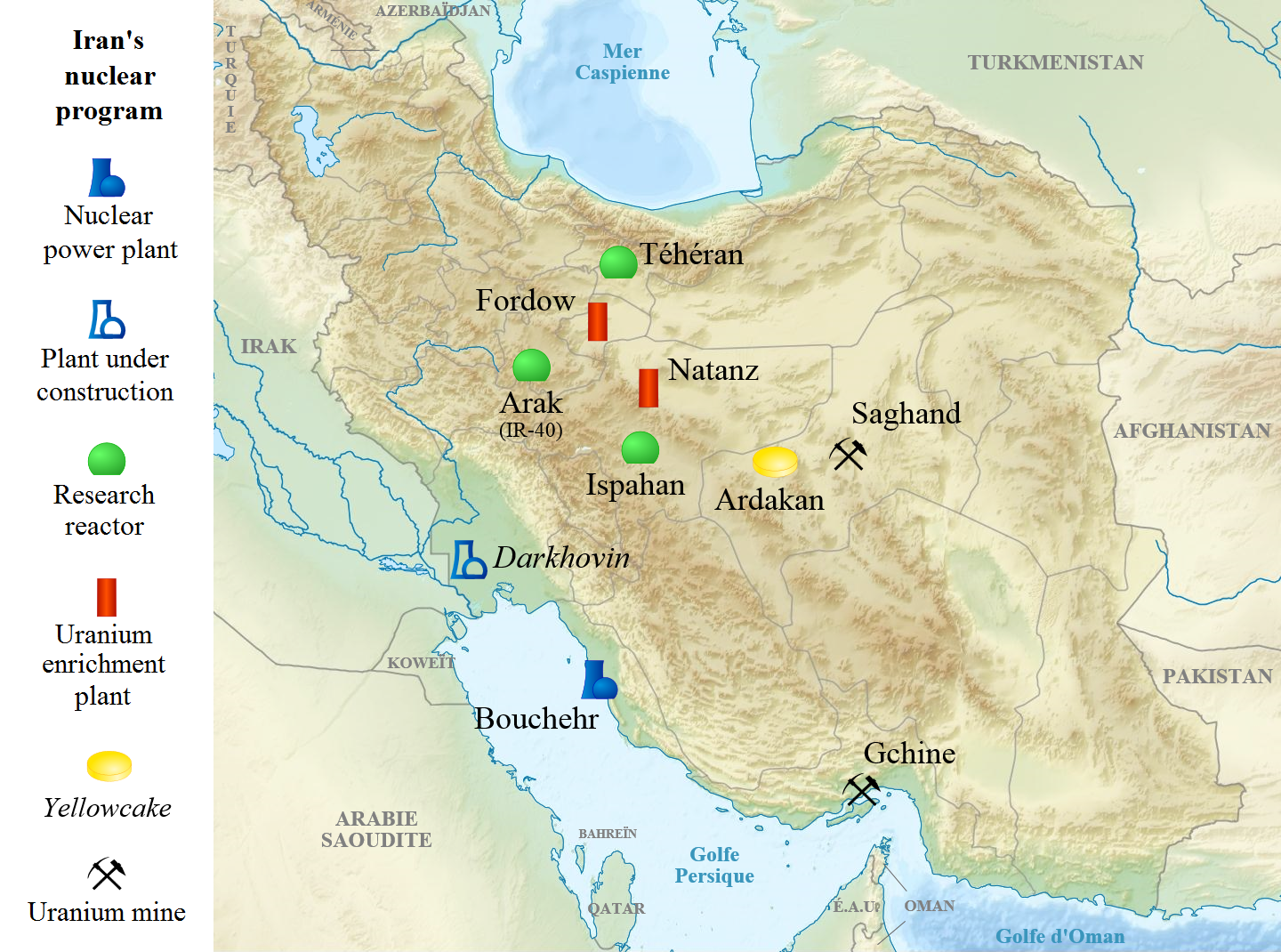
Iran’s energy infrastructure is once again a bargaining chip, with renewed vows from Washington to target critical sites turning the Iran power plant map into a high-stakes blueprint. This grid is not just wires and turbines; it is the backbone of a population, the leverage point in nuclear diplomacy, and a potential trigger for regional escalation. With reactors, thermal plants, and hydro dams spread across a vast geography, any strike would ripple through markets, alliances, and daily life. Understanding where these assets sit – and why they matter – is essential to parse the threat and the bluff alike.
- Iran’s grid is a mix of nuclear, thermal, and hydro assets spread far beyond a single chokepoint.
- Targeting power plants risks humanitarian fallout and destabilizing energy markets.
- Protective dispersal and hardened sites complicate quick-strike scenarios.
- Regional actors and global powers would face immediate escalation choices.
- Energy resilience strategies could blunt both kinetic and cyber threats.
Mapping the Iran power plant map
Iran’s generation portfolio is deliberately diversified. While headlines fixate on nuclear facilities, the country leans on a web of gas-fired, oil-fired, and hydroelectric stations that ring major population centers. The crown jewel is the Bushehr nuclear power plant on the Gulf coast – a civilian reactor feeding the national grid and symbolizing Tehran’s claim to peaceful nuclear energy. Farther inland, clusters of thermal plants near Tehran, Isfahan, and Shiraz supply baseload power to industrial corridors, while hydro complexes on rivers like Karun balance peak demand.
Dispersal by design
After decades of sanctions and sabotage, Iran spread its critical assets to reduce single-point failures. Facilities such as the Natanz enrichment complex sit near industrial hubs, whereas major power plants like Ramin near Ahvaz or Montazer-e Ghaem near Karaj anchor separate grid regions. This dispersion forces would-be attackers to contemplate multiple simultaneous strikes to achieve meaningful disruption.
Hardening and concealment
Several sites incorporate underground structures, berms, and layered air defenses. While civilian plants cannot be entirely hardened, Iran has experience shielding sensitive assets against kinetic and cyber attempts – from Stuxnet-era lessons to drone interceptions over Khuzestan. The result: any attack calculus must assume degraded but not destroyed capacity, complicating predictions of blackout severity.
Geopolitics behind the grid
Threats against power infrastructure are never just about electricity. They are signals in a broader negotiation about nuclear limits, regional influence, and deterrence. Washington’s rhetoric about “destroying” plants tests Tehran’s red lines while reassuring domestic hawks. Tehran, in turn, frames the grid as civilian lifeblood, betting that humanitarian optics will constrain adversaries.
Key insight: Striking energy nodes would not end Iran’s nuclear ambitions; it would invite asymmetric retaliation and deepen global energy volatility.
Meanwhile, Gulf neighbors worry that fallout – literal and economic – would spill over borders, and European allies fear fresh spikes in oil prices. The calculus includes shipping lanes in the Strait of Hormuz, where any escalation could choke a fifth of global crude flows.
Operational realities: hitting power plants is messy
Targeting complexity
Precision-guided munitions can disable transformers, cooling towers, or grid interconnects, but redundancy and on-site spares mean rapid restoration is possible at conventional plants. Nuclear sites pose tougher choices: damaging containment without releasing radiation requires surgical strikes, while full destruction risks contamination and international backlash.
Cyber versus kinetic
Cyber operations – from malware to spoofed control signals – can cause cascading outages with deniability. Yet Iran’s post-Stuxnet defenses include segmented networks and manual overrides. Kinetic attacks have visible impact but invite symmetrical retaliation via proxies or missiles. Hybrid campaigns could seek both shock value and plausible deniability, but coordination raises operational risk.
Humanitarian and legal constraints
Power plants serve hospitals, water treatment, and civilian life. Under international law, attacks causing excessive civilian harm are constrained. Even in rhetoric, officials must weigh how images of darkened cities would play globally. The optics can quickly flip from demonstrating resolve to showcasing recklessness.
Why this matters now
Energy insecurity compounds every other geopolitical risk. Iran’s youth-heavy population and urban concentration mean prolonged outages could spark domestic unrest, forcing Tehran to overcorrect abroad. For the US and allies, threatening the grid is leverage, but executing on that threat could fracture coalitions and spike oil prices in an election year. The Iran power plant map thus becomes both a target list and a risk ledger.
Future scenarios and ripple effects
Short-hit shock
A limited strike on select thermal plants could create temporary blackouts and signal intent without touching nuclear assets. Markets would react instantly, with crude futures jumping and insurers repricing Gulf shipping risk.
Nuclear brinkmanship
Hitting Bushehr or adjacent support facilities would mark a qualitative escalation. Even without radiation, Tehran would likely respond via regional proxies, missile volleys, or accelerated enrichment under the claim of self-defense.
Cyber cascades
A cyber-first campaign could attempt to trip wide sections of the grid without kinetic fallout. Success would undermine public confidence in Iran’s cyber defenses; failure would expose attacker toolkits and justify Tehran’s own offensive operations.
Energy resilience play
If Iran weathers threats without major outages, it strengthens its narrative of self-reliance. Investments in combined-cycle upgrades, localized microgrids, and distributed generation could turn crisis pressure into modernization momentum.
Pro tips for reading the signals
- Watch fuel flows: Sudden shifts in
LNGor crude exports may indicate pre-emptive stockpiling. - Track grid frequency data: Deviations from
50Hzhint at stress or sabotage. - Follow maritime insurance rates: Rapid premium hikes around the Gulf suggest elevated strike risk.
- Monitor satellite nightlights: Dimming patterns can reveal localized outages before officials admit damage.
- Listen for proxy messaging: Militias in Iraq, Syria, or Yemen often telegraph escalation timelines.
Why resilience is the real endgame
Beyond political theater, both Iran and its rivals know that sustainable leverage comes from resilience, not destruction. Hardening substations, segmenting control systems, and diversifying fuel mixes can reduce the impact of any strike. Regional energy interconnects – however politically fraught – would add redundancy. For outside powers, offering grid support or cyber defense training could become a tool of influence, balancing pressure with stabilization.
For readers parsing the latest headline, the signal is clear: power plants are no longer off-limits in geopolitical bargaining, but turning threats into action carries costs that extend far beyond megawatts. Understanding the map, the motives, and the margin for error is the only way to judge whether this saber-rattling ends in blackout or backchannel.
The information provided in this article is for general informational purposes only. While we strive for accuracy, we make no guarantees about the completeness or reliability of the content. Always verify important information through official or multiple sources before making decisions.