Maui Health Bets on Wade Ebersole
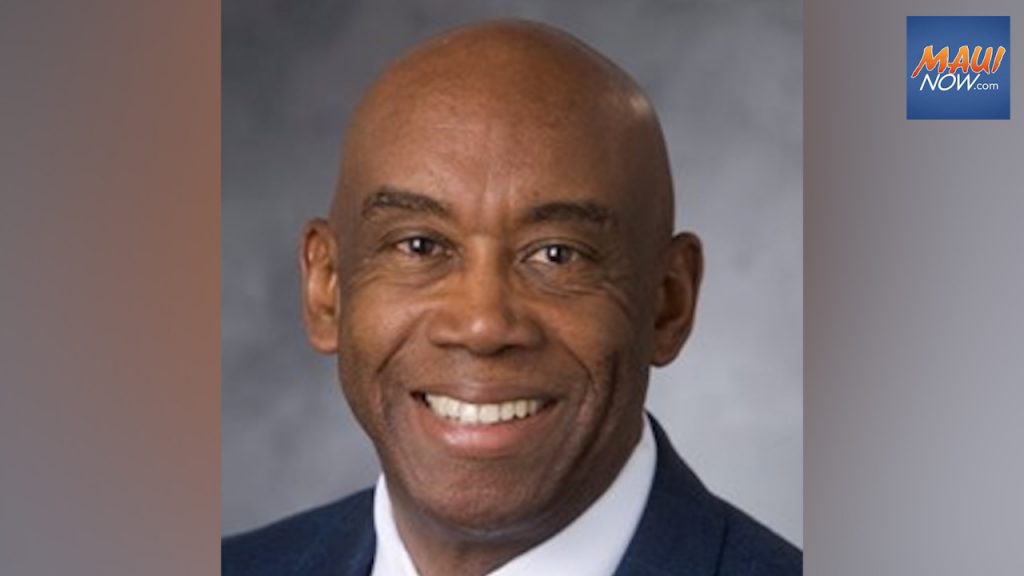
Maui Health Bets on Wade Ebersole
Hospital leadership changes can look routine on paper, but they rarely feel routine inside a strained healthcare system. When a provider as important as Maui Health installs an interim chief executive, the decision lands far beyond the executive suite. It affects staffing confidence, physician alignment, community trust, and the pace of operational fixes that patients often feel before they ever read a press release. The appointment of Wade Ebersole as interim CEO arrives at a moment when health systems everywhere are being forced to balance cost pressure, labor shortages, and rising expectations for care access. For Maui, this is not just a personnel update. It is a strategy test. The real question is whether interim leadership can deliver enough stability to keep the system moving while preserving momentum on the issues that matter most.
- Maui Health interim CEO Wade Ebersole steps into a role with immediate operational and community significance.
- Interim leadership in healthcare is rarely passive: it often shapes staffing, budgets, and long-term strategic direction.
- Maui Health’s next phase will likely be judged on care continuity, workforce retention, and public confidence.
- The move matters because Hawaii healthcare systems operate with unique geographic, labor, and infrastructure constraints.
Why the Maui Health interim CEO move matters now
The phrase interim CEO can sound temporary, even administrative. In healthcare, it usually means the opposite. An interim leader inherits the hardest part of the job immediately: maintain continuity while proving the organization will not drift. That challenge is especially acute in a regional health system where hospitals are not abstract assets but critical community infrastructure.
Maui Health interim CEO is a title with unusual weight because every executive choice intersects with patient access. Staffing plans affect wait times. Capital decisions affect service lines. Leadership tone affects retention in a sector where burnout remains a constant threat. Even when the appointment is framed as a bridge, the bridge itself determines how much confidence the system can preserve.
In healthcare, an interim appointment is not a pause button. It is often the period when the organization reveals whether it has operational discipline or just executive turnover.
That is why this announcement deserves attention beyond local business news. It offers an early read on how Maui Health intends to manage transition without losing strategic focus.
Who Wade Ebersole needs to be on day one
Interim CEOs do not get the luxury of a long runway. They are expected to project steadiness, make decisions quickly, and avoid creating fresh uncertainty. For Wade Ebersole, the job likely begins with three non-negotiables: reassure the workforce, stabilize execution, and signal that patient care will remain the center of every decision.
1. Rebuild internal confidence fast
Employees often interpret executive transitions through a simple lens: what does this mean for us next month? If the answer is vague, anxiety spreads. In a hospital system, that can become operationally expensive. Nurses, physicians, technicians, and administrative teams need visible leadership, not just organizational charts.
A credible interim CEO typically starts by over-communicating. That means clear staff messaging, direct listening sessions, and measurable priorities. The point is not to promise a dramatic reset. The point is to remove ambiguity.
2. Keep the care engine running
Healthcare organizations cannot slow down while leadership changes hands. Admissions continue. Surgeries continue. Compliance requirements do not wait. An interim executive has to show fluency in both mission and mechanics. If there are existing initiatives around patient flow, recruitment, service access, or financial discipline, the expectation is simple: keep them moving.
This is where many transitions succeed or fail. A good interim leader avoids two traps: acting like a caretaker with no authority, or acting like a permanent CEO who immediately tries to rewrite everything.
3. Earn community trust, not just board approval
Hospital systems operate under a public microscope because people experience them at their most vulnerable moments. Community stakeholders want to know whether a new leader understands local needs, local constraints, and local expectations. For Maui Health, that trust equation is even more important because island healthcare comes with real structural limits around workforce pipelines, specialist access, and logistics.
Maui Health’s strategic pressure points
The broader backdrop matters here. Every health system is dealing with versions of the same hard math: labor is expensive, patient demand is uneven, reimbursement pressure is real, and modernization cannot be postponed forever. But Maui Health also faces the distinct operating realities of serving an island community where resilience is not a slogan. It is an operating requirement.
Staffing remains the defining issue
If there is one metric that can shape nearly every other outcome, it is workforce stability. Hospitals can have smart strategy decks and still underperform if they cannot hire and retain enough talent. Executive transitions can either calm that environment or make it worse.
For an interim CEO, staffing strategy is more than recruitment. It touches scheduling, morale, workload fairness, leadership visibility, and whether frontline teams believe management understands what daily care delivery actually feels like. Why this matters: when retention improves, systems get more predictable. When predictability improves, patient experience usually follows.
Financial discipline without mission drift
Healthcare leaders are being asked to protect margin without appearing to commercialize care. That is a difficult balance anywhere, and it becomes more visible in community-centered systems. An interim CEO often has to demonstrate that cost control and patient mission are not opposing goals.
Expect the market to watch for signals around capital allocation, service prioritization, and operational efficiency. If Maui Health can show that leadership continuity supports disciplined execution, the interim label becomes far less concerning.
Access and service continuity
One of the biggest tests for any health system is whether patients can get timely care without navigating a maze. Leadership transitions can strain that if decision-making slows or departmental priorities become unclear. The practical question for Maui residents is not who sits in the corner office. It is whether access to care feels more reliable, not less.
The strongest interim healthcare leaders do one thing exceptionally well: they make the organization feel less transitional than the org chart suggests.
What boards usually want from an interim healthcare CEO
Boards rarely choose interim leadership just to fill a calendar gap. They are usually looking for a specific operating profile. That profile often includes:
- Credibility with clinicians and administrators
- Experience managing complexity under pressure
- Willingness to make decisions without overreaching
- A calm public presence during uncertainty
- Evidence that performance metrics will not slip
That is the lens through which Wade Ebersole will likely be evaluated. Not as a symbolic appointment, but as an operational one. If service delivery remains steady and internal confidence improves, the appointment will look smart quickly. If drift appears, the interim title will become the story.
The bigger healthcare lesson behind the Maui Health interim CEO transition
This move also reflects a larger truth about modern healthcare leadership: succession planning is no longer a back-office exercise. It is core infrastructure. Systems that prepare for transitions well are better able to absorb shocks, preserve momentum, and avoid the cultural whiplash that often follows executive exits.
That matters because hospitals increasingly operate in permanent volatility. Labor markets shift. Regulations evolve. Technology investments demand attention. Patient expectations keep rising. Leadership resilience has become as important as financial resilience.
Seen through that lens, the Maui Health interim CEO appointment is a reminder that governance quality can shape bedside outcomes indirectly but powerfully. If boards and executive teams treat transition planning seriously, patients may never feel the turbulence. If they do not, everyone does.
What success could look like over the next few months
Success in an interim period rarely comes from flashy announcements. It tends to show up in quieter indicators that are easy to miss unless you know where to look. For Maui Health, the most telling signals may include:
- Consistent communication to staff and the public
- Minimal disruption to care delivery and scheduling
- Visible progress on recruitment or retention priorities
- Operational decisions that feel measured rather than reactive
- A steady board narrative about long-term leadership planning
If those markers appear, Ebersole’s tenure could do more than stabilize the system. It could create the conditions for a stronger permanent leadership handoff later.
Why this leadership change deserves attention beyond Hawaii
It is easy to underestimate regional healthcare stories, especially when they do not come wrapped in giant mergers or splashy technology rollouts. That is a mistake. Community hospital systems are where the healthcare economy becomes real. They are where labor strategy, governance quality, and patient need collide every day.
Maui Health’s leadership transition is a useful case study because it sits at the intersection of all the industry’s biggest pressures: workforce scarcity, financial scrutiny, and the demand for reliable local care. What happens next will say a lot about how health systems can use interim appointments not just to survive uncertainty, but to manage it intelligently.
Pro tip: Watch what leadership does before you watch what leadership says. In hospital transitions, execution is the real message.
The bottom line on Wade Ebersole and Maui Health
Wade Ebersole’s appointment as interim CEO is more than a temporary fix. It is a pivotal leadership moment for Maui Health, and by extension, for the community that depends on it. The organization does not need theatrical reinvention right now. It needs disciplined continuity, credible communication, and enough strategic clarity to keep moving forward without losing trust.
If Ebersole can bring steadiness to staffing, operations, and public confidence, this interim chapter may end up looking less like a placeholder and more like a critical stabilizing move. In healthcare, that is often the difference between a transition that simply fills time and one that protects the future.
The information provided in this article is for general informational purposes only. While we strive for accuracy, we make no guarantees about the completeness or reliability of the content. Always verify important information through official or multiple sources before making decisions.


