RFK Jr Rekindles the Antidepressant Fight
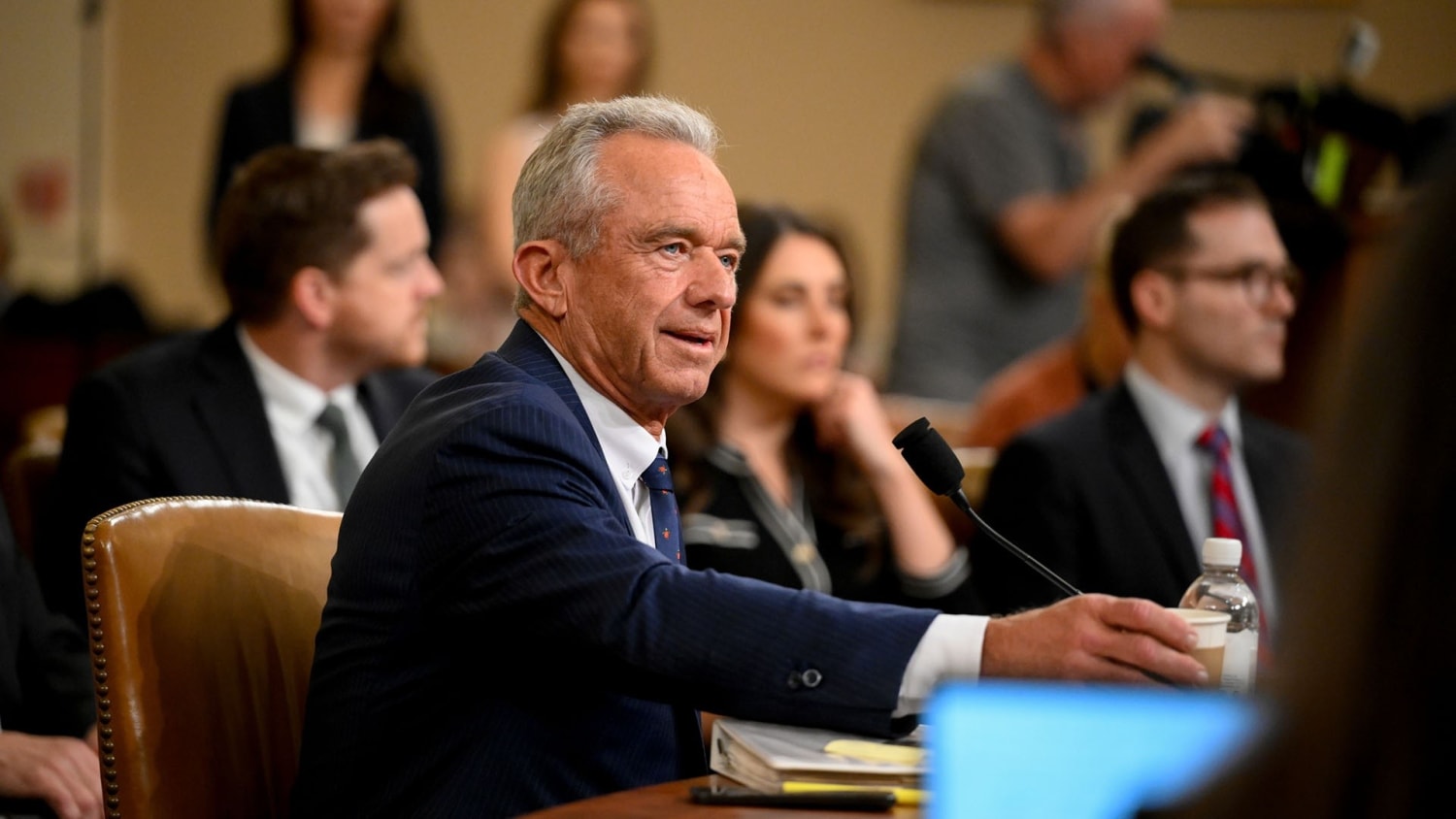
RFK Jr Rekindles the Antidepressant Fight
The antidepressant debate is no longer confined to psychiatry journals, therapy offices, or patient support groups. It is now a live political flashpoint, and that should make anyone who cares about mental health policy pay attention. When a high-profile public official questions the role of SSRI antidepressants and mainstream psychiatric treatment, the effects do not stop at rhetoric. They ripple into doctor-patient trust, medication adherence, insurance priorities, and the broader public understanding of what mental illness is – and what treatment should look like.
That is why the latest comments tied to Robert F. Kennedy Jr. and the Department of Health and Human Services matter far beyond a headline cycle. This is not just another culture-war skirmish. It is a test of how America talks about depression, trauma, evidence, and risk when millions of people rely on treatment to function, survive, and recover.
- RFK Jr’s comments have reignited skepticism around antidepressants and psychiatric medicine.
- The controversy lands in a fragile moment for U.S. mental health systems already strained by access, cost, and public mistrust.
SSRImedications are imperfect, but they remain evidence-based tools for many patients.- Political messaging on mental health can shape patient behavior, stigma, and health policy in lasting ways.
Why the RFK Jr antidepressant debate hits so hard
The phrase RFK Jr antidepressant debate is not trending because of a minor dispute over medical nuance. It is resonating because antidepressants occupy one of the most emotionally charged spaces in healthcare. For some people, an SSRI was the first thing that quieted panic, lifted suicidal thinking, or made therapy possible. For others, medication came with side effects, trial-and-error prescribing, emotional blunting, or a feeling that psychiatry overpromised and underexplained.
Both realities can be true. That is exactly why broad political attacks on psychiatric treatment are so combustible. They flatten a complex issue into a binary: either antidepressants are miracle drugs or they are evidence of institutional failure. In practice, mental healthcare is messier. Medications help many people, do little for some, and harm a smaller subset. Good medicine depends on matching the right intervention to the right patient, with informed consent and close follow-up.
The danger is not debate itself. The danger is replacing nuance with suspicion at a moment when patients need clarity.
What critics of psychiatry get right – and where they go too far
There is a reason critiques of modern psychiatry find an audience. Mental healthcare in the U.S. has earned some of that skepticism. Primary care doctors often prescribe antidepressants during short appointments. Patients are not always warned clearly about withdrawal, side effects, sexual dysfunction, weight changes, or how long improvement may take. Therapy remains expensive, unevenly available, and frequently undercovered by insurance. In that environment, medication can feel less like one tool among many and more like the default answer to social distress.
Those are valid concerns. They should lead to better prescribing standards, more integrated care, stronger patient education, and broader access to psychotherapy. They should not lead to the conclusion that SSRIs are inherently suspect or that psychiatric medication is some kind of civilizational scam.
The evidence base is real, even if it is imperfect
SSRI antidepressants are not magic. They do not work instantly, they do not work for everyone, and they are not the only route to healing. But they are backed by decades of clinical use and a substantial research record showing benefit for many people with depression, anxiety disorders, obsessive-compulsive disorder, and related conditions. The strongest evidence-based position is neither boosterism nor denial. It is that antidepressants are useful, limited, and often best when paired with therapy and ongoing monitoring.
That may sound less exciting than a grand anti-establishment narrative, but healthcare does not improve through spectacle. It improves through precision.
Patients are not abstractions
One of the biggest failures in public arguments over psychiatry is that patients get turned into symbols. Medication skeptics point to overprescribing and side effects. Medication defenders point to reduced suffering and restored function. Lost in the fight is the patient who has lived both stories: someone who benefited from one drug, struggled with another, and still needed therapy, sleep, support, and time.
When politicians speak loosely about antidepressants, they are not commenting on an abstract system. They are speaking into the lives of people currently deciding whether to fill a prescription, taper a dose, start counseling, or ask for help at all.
The bigger policy problem behind the RFK Jr antidepressant debate
The deeper issue is not just whether one public figure is right or wrong about psychiatric medicine. It is that the U.S. mental health system leaves so much room for distrust. If therapy were accessible, if psychiatric evaluations were longer, if medication counseling were better, and if community care were stronger, sweeping attacks on mainstream treatment would have less traction.
Instead, many patients encounter a fragmented system:
- Long waits for psychiatrists and therapists
- High out-of-pocket costs for ongoing care
- Brief medication visits that can feel transactional
- Patchy follow-up after prescriptions are started or changed
- Persistent stigma around both diagnosis and treatment
That dysfunction creates a vacuum, and political narratives rush in to fill it. If mainstream medicine feels impersonal, people become more open to outsider critiques. If institutions appear defensive, skepticism hardens into ideology.
When trust in healthcare weakens, every medical question becomes a political one.
How clinicians should respond now
Healthcare professionals do not need to win every argument on social media. They do need to understand the conditions making this debate resonate. The smartest response is not dismissal. It is engagement rooted in evidence and humility.
Start with the patient experience
If a patient expresses concern after hearing about antidepressants in the news, that concern should be taken seriously. The right move is not to wave it away as misinformation. Ask what they heard. Ask what worries them. Ask whether they have experienced side effects, withdrawal symptoms, or doubts about their diagnosis. Trust grows when clinicians show they are willing to discuss uncertainty instead of hiding behind authority.
Explain treatment in plain language
Too often, psychiatric medication is introduced with shorthand that obscures tradeoffs. A better approach is direct and concrete:
- What the medication is for
- How long it may take to work
- What side effects are common
- What warning signs need urgent attention
- How stopping or tapering should be handled
This is not just good bedside manner. It is a defense against the kind of information vacuum where fear spreads fastest.
Pro tip for care teams
Clinics should consider standardizing medication education in written and digital form. Even a basic post-visit summary with terms like dose, follow-up date, common side effects, and when to call can improve adherence and reduce confusion.
Why this matters for patients right now
The immediate risk of the RFK Jr antidepressant debate is not that it produces a sudden nationwide policy reversal. The nearer-term danger is behavioral. Some patients may stop medication abruptly. Others may avoid seeking help. Families may become more suspicious of treatment recommendations. People already living with depression or anxiety may absorb the message that psychiatric care is fundamentally corrupt or unsafe.
That is a serious problem because untreated mental illness carries its own risks: job loss, relationship damage, self-medication, hospitalization, and in some cases suicide. Public discourse that magnifies the flaws of treatment while minimizing the dangers of non-treatment can produce real-world harm.
None of this means people should accept prescriptions passively. Quite the opposite. Patients should ask hard questions. They should understand alternatives, benefits, risks, and next steps. They should know that therapy, lifestyle changes, social support, and medication can all play legitimate roles. But informed skepticism is different from generalized distrust.
What a smarter mental health agenda would look like
If this controversy leads anywhere useful, it should be toward reform rather than demolition. America does not need less serious mental healthcare. It needs better mental healthcare.
Invest in therapy access
One reason antidepressants become lightning rods is that they are often easier to obtain than therapy. Expanding insurance coverage, integrating behavioral health into primary care, and increasing the therapist workforce would give patients more real choices.
Improve medication oversight
Better follow-up protocols could reduce many of the legitimate complaints around psychiatric prescribing. Starting an SSRI should not be treated like handing over a routine refill. It should involve symptom tracking, side-effect review, and a clear plan for reassessment.
Take withdrawal seriously
One area where public discussion has often lagged behind patient experience is antidepressant discontinuation. Patients deserve accurate counseling about tapering and possible withdrawal effects. Acknowledging that reality strengthens medicine’s credibility. Ignoring it weakens trust.
Build policy around outcomes, not ideology
The mental health system should be judged by whether people can access safe, effective, compassionate care. That means fewer purity tests and more measurable goals: shorter wait times, better continuity, lower crisis rates, and stronger patient-reported outcomes.
The best rebuttal to anti-psychiatry politics is not defensiveness. It is a system that works well enough to earn trust.
The political future of the RFK Jr antidepressant debate
This will not be the last time mental health becomes a battleground for broader arguments about expertise, institutions, and public health authority. Psychiatry is especially vulnerable because it sits at the intersection of biology, culture, identity, family life, and state power. Medication decisions feel personal in a way few other medical choices do.
That means the politics around antidepressants will likely intensify, not fade. Expect more pressure on federal health agencies, more scrutiny of pharmaceutical influence, more calls for non-pharmacological approaches, and more viral anecdotes used as proxies for evidence. Some of that scrutiny is healthy. Some of it will be opportunistic. Telling the difference is the job.
For readers trying to cut through the noise, the baseline principle is simple: any serious conversation about depression treatment must hold two ideas at once. First, psychiatric care can fail patients and needs reform. Second, antidepressants and other mental health treatments remain essential, beneficial tools for many people. Lose either half of that truth, and the debate becomes distortion.
Bottom line
The latest eruption over antidepressants is not really about one soundbite. It is about whether public leaders can discuss mental health with enough precision to avoid making a fragile system even more fragile. The right response is neither blind faith in psychiatry nor blanket rejection of it. It is a higher standard: evidence, transparency, patient autonomy, and systems built to deserve confidence.
That standard matters because people are listening – especially those who are already suffering and trying to decide whom to trust.
The information provided in this article is for general informational purposes only. While we strive for accuracy, we make no guarantees about the completeness or reliability of the content. Always verify important information through official or multiple sources before making decisions.


