Mekkhala Floods Taiwan and Exposes a Bigger Crisis
When a storm turns into a systems test
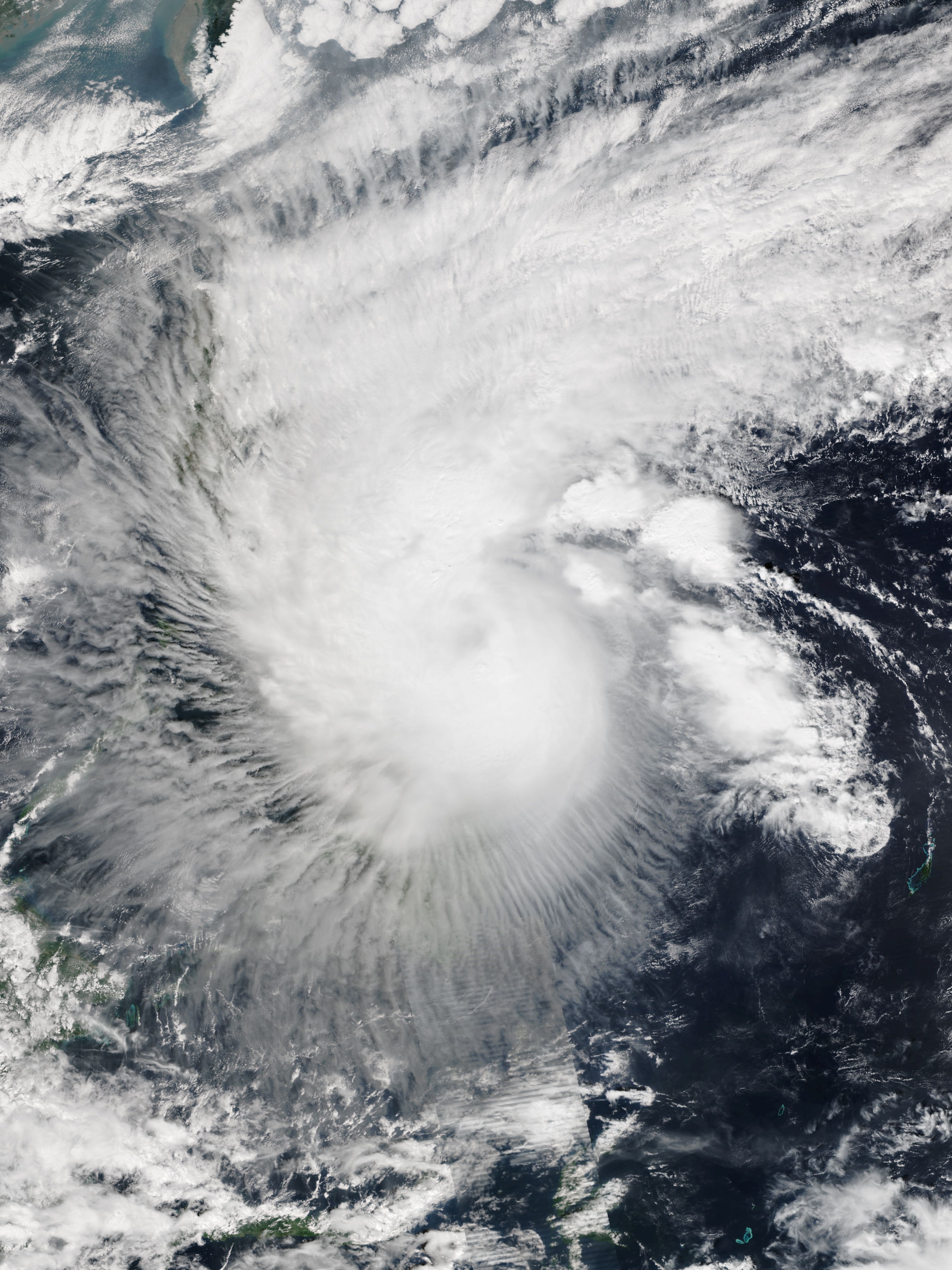
Tropical Storm Mekkhala did more than soak streets and swamp neighborhoods in Taiwan. It exposed a growing reality that cities across Asia can no longer ignore: modern infrastructure is increasingly being asked to perform in weather it was never really designed to handle. For Taiwan, a place that already knows the cost of typhoons and flash flooding, Mekkhala was not just another severe weather event. It was a stress test for drainage, emergency planning, transportation, and public trust. And for anyone watching the region, this is the part that matters most. The danger is no longer just the storm itself. It is the speed at which familiar storms are becoming disruptive enough to overwhelm systems that were built for a different climate baseline.
- Tropical Storm Mekkhala caused serious flooding in Taiwan and disrupted daily life.
- The storm highlights how urban infrastructure is struggling with more extreme weather.
- Drainage, transit, and emergency response are now core resilience issues.
- Climate volatility is turning regional weather events into economic and policy problems.
- Taiwan’s experience offers a warning for other coastal and densely built cities.
Mekkhala and Taiwan’s flood reality
The immediate impact of Mekkhala was visible in the usual places: submerged roads, stranded vehicles, waterlogged neighborhoods, and the kind of sudden paralysis that follows heavy rainfall when runoff has nowhere to go. Taiwan is no stranger to tropical systems, but the scale of disruption matters because it shows how quickly rainfall can cascade into broader social and economic damage. Floodwater does not stay in one lane. It moves through transit networks, shops, homes, hospitals, and supply chains. That is why a storm like Mekkhala becomes more than a weather story. It becomes a logistics story, a public safety story, and a governance story.
What looked like a localized storm was really a citywide coordination problem. When drainage systems are overwhelmed, the consequences ripple far beyond the shoreline or the riverbank. Commuters miss work, businesses close early, emergency services are stretched, and recovery costs start accumulating before the rain even stops.
The climate pressure behind Mekkhala
The most important context around Mekkhala is not whether the storm was unusual in a meteorological sense. It is whether the surrounding infrastructure can absorb the effects of increasingly unstable weather patterns. Across the region, heavy rainfall events are arriving with more intensity, more unpredictability, and less patience for legacy systems. That means flood control is no longer just about pumps and concrete barriers. It is about land use, housing density, early warning systems, and the political willingness to spend money before disaster strikes.
Why drainage is now a technology problem
Urban flood management has become a hybrid challenge. Yes, it is an engineering issue. But it is also a data issue. Cities now rely on sensor networks, rainfall modeling, remote monitoring, and rapid alerts to buy themselves minutes or hours of response time. If those systems are fragmented, outdated, or underfunded, the result is predictable: water wins. Taiwan’s flooding under Mekkhala is a reminder that resilience depends on the integration of physical infrastructure and digital intelligence.
Key insight: The modern flood fight is won or lost before the water reaches the curb. Planning, modeling, and warning systems are just as important as levees and drains.
Why Taiwan keeps becoming a case study
Taiwan sits in a region where tropical weather is not an exception but a recurring force of life. That makes it an important case study for resilience because it has both experience and exposure. The island has invested in disaster readiness, yet events like Mekkhala show that the margin for error keeps shrinking. Population density, urban expansion, and more intense rainfall all converge in a way that creates compound risk. A storm that might once have caused manageable inconvenience can now trigger widespread flooding, transport delays, and recovery costs that linger for days.
That is why this matters beyond Taiwan. The same pattern is emerging in coastal cities across Asia, where development often moves faster than adaptation. Roads are paved, housing expands, and commercial districts grow up, but water still follows old geography. When rain arrives in volumes the system cannot absorb, the hidden vulnerabilities become visible all at once.
The business cost of flooded cities
Flooding is frequently described as a humanitarian issue, and it is. But it is also a balance-sheet issue. When Mekkhala inundated parts of Taiwan, the damage was not limited to immediate cleanup. Retail losses, interrupted delivery routes, missed appointments, temporary shutdowns, and repair bills all add up. For manufacturers and exporters, even a short disruption can affect production schedules and downstream commitments. In a tightly integrated economy, a storm does not need to last long to be expensive.
Pro tip: Companies with regional operations should treat weather disruption like a recurring operational risk, not a rare emergency. That means backup logistics plans, inventory buffers, and flood-aware site planning.
What smarter resilience looks like
The answer to storms like Mekkhala is not simply to build higher walls. That approach is too slow, too expensive, and often too narrow. A smarter resilience strategy combines infrastructure upgrades with policy changes and digital tools. Cities need better flood mapping, more aggressive stormwater redesign, protected critical facilities, and emergency communication systems that reach people fast and clearly. They also need maintenance. Even the best-designed drainage network fails if it is clogged, neglected, or undersized for today’s rainfall patterns.
- Upgrade drainage capacity in flood-prone districts before the next storm hits.
- Use real-time sensors to monitor water levels and identify bottlenecks early.
- Protect critical infrastructure such as transit hubs, hospitals, and data centers.
- Rethink zoning so development does not intensify exposure in known flood plains.
- Test emergency communications so warnings are timely, localized, and actionable.
What Mekkhala means for the next decade
The uncomfortable truth is that Mekkhala looks a lot like the future. Not because every storm will behave exactly the same way, but because the pattern is becoming familiar: heavier rain, faster runoff, more overwhelmed streets, and a broader set of losses that extend well beyond the weather forecast. Governments, businesses, and residents are all now operating under a new assumption: resilience is not a luxury feature. It is core infrastructure.
That shift changes how cities should budget, how insurers should price risk, and how planners should evaluate development. It also changes how people think about normal life during storm season. The public expectation used to be that a strong storm would cause inconvenience. Now the bar is lower and the consequences are higher. Transit can fail. Markets can close. Schools can suspend operations. And families can be left dealing with water intrusion that turns into weeks of repair.
Bottom line: Mekkhala is not just evidence of a bad day. It is evidence that the climate baseline is moving faster than many cities can adapt.
The editorial takeaway
It would be easy to treat Tropical Storm Mekkhala as a one-off weather headline, another grim update in a crowded news cycle. That would miss the point. The story is not only that Taiwan flooded. It is that even well-prepared places are now being forced to absorb shocks that strain the systems keeping modern life running. The floodwater eventually recedes, but the real question remains: how many more storms like this can cities absorb before resilience itself becomes the rarest resource?
If Mekkhala tells us anything, it is that the next phase of disaster readiness will not be judged by reaction time alone. It will be judged by whether governments and industries can build systems that expect disruption, absorb it, and recover without collapsing around it. That is a much harder test than simply watching the rain fall.
The information provided in this article is for general informational purposes only. While we strive for accuracy, we make no guarantees about the completeness or reliability of the content. Always verify important information through official or multiple sources before making decisions.