Michigan Primary Redefines Democrats
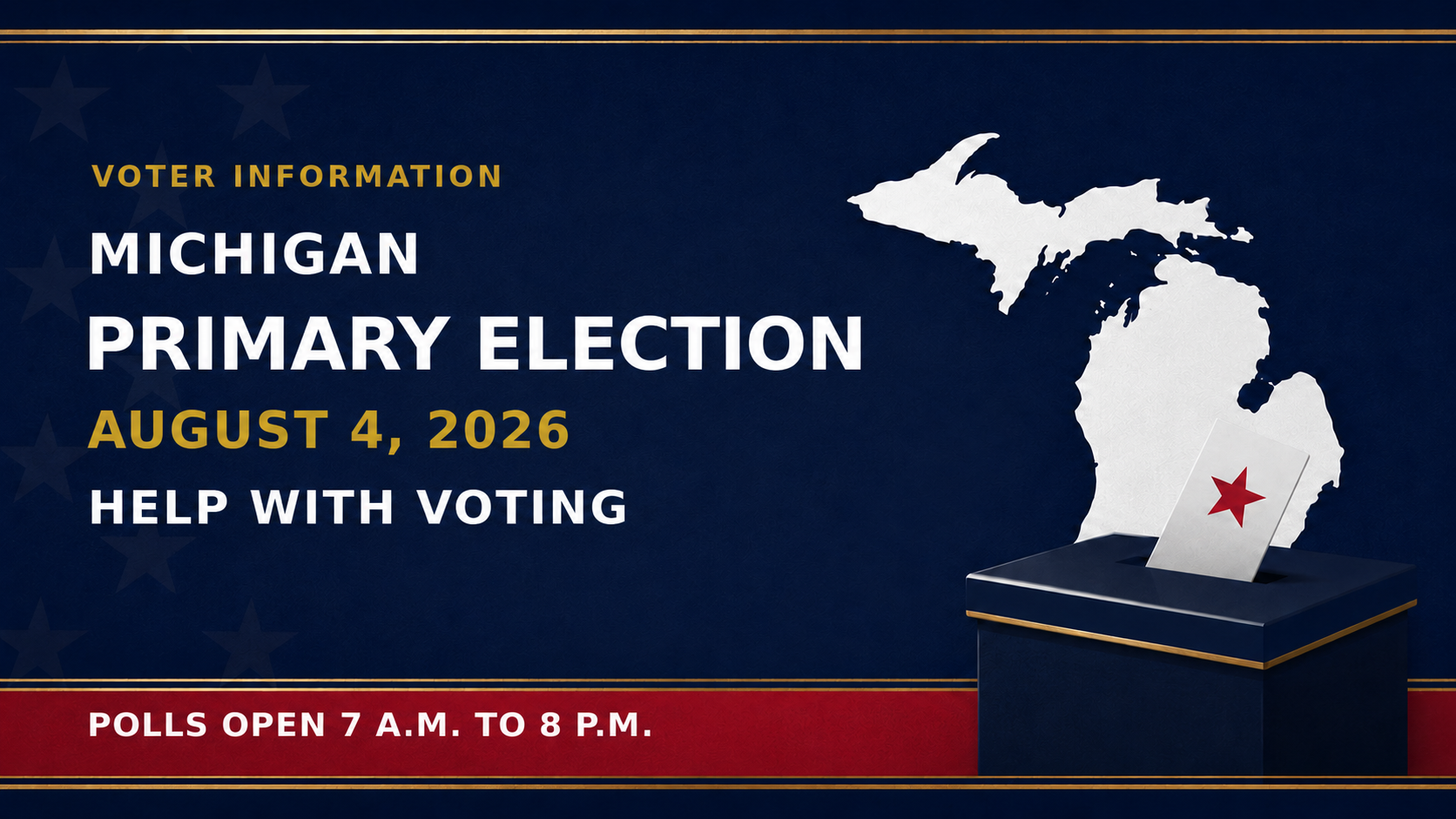
Michigan Primary Redefines Democrats
Michigan’s Democratic primary is doing more than choosing a nominee. It is stress-testing the party’s entire theory of relevance. With voters squeezed by inflation, distrustful of institutions, and increasingly allergic to polished inevitability, the race between Haley Stevens and Abdul El-Sayed has become a proxy battle over what kind of Democrat can still win in a fractured political era. That matters far beyond one state. Michigan is a battleground with union muscle, suburban volatility, and a large working-class electorate that has repeatedly punished parties that mistake brand recognition for trust. The outcome will signal whether Democrats want a candidate built for donors and national validators, or one who can speak to the economic anxiety reshaping American politics.
- The Michigan primary is a test of whether Democrats still reward establishment-style candidates or prefer insurgent economic populists.
- Haley Stevens represents a more traditional, institution-friendly path; Abdul El-Sayed is betting on a sharper message about affordability and structural change.
- The race reflects a broader Democratic struggle over class, messaging, and how to rebuild trust with disaffected voters.
- Michigan remains a decisive political laboratory because its electorate rewards authenticity, local credibility, and economic specificity.
- Whoever wins will help define the party’s 2026-to-2028 playbook on labor, health care, and the cost of living.
Why the Michigan primary matters now
The Michigan primary is not just another intraparty contest. It arrives at a moment when Democrats are still arguing over how to respond to a political landscape defined by voter fatigue, economic anxiety, and a deep skepticism toward elite messaging. Michigan amplifies that tension because the state sits at the intersection of industrial history, suburban drift, and a renewed fight over labor politics.
Haley Stevens and Abdul El-Sayed are not simply competing for delegates or endorsements. They are offering two competing diagnoses of what has gone wrong for Democrats. One says the party needs competence, governing credibility, and a message that reassures swing voters. The other says Democrats have spent too long sounding cautious while people lose ground on rent, groceries, and medical bills.
That is why this race has outsized significance. A primary in Michigan can reveal whether Democratic voters still trust the familiar playbook or whether they are ready to gamble on sharper economic contrast and more confrontational rhetoric.
Haley Stevens and the case for the establishment lane
Haley Stevens brings the kind of profile party strategists often love: politically experienced, institutionally legible, and broadly acceptable to donors, unions, and suburban voters who want stability more than drama. Her case is straightforward. In a swing state, Democrats need someone who can hold moderates without alienating the base, and who can translate policy into governing competence.
That approach has clear advantages. It minimizes risk, keeps the party’s coalition intact, and avoids the kind of message fragmentation that can derail general-election candidates. It also aligns with how many party insiders still think elections are won: build a broad coalition, reduce ideological friction, and emphasize pragmatism.
But there is a vulnerability here. In today’s political climate, competence is no longer enough on its own. Voters may respect it, but they do not always reward it. A candidate can sound reasonable and still feel disconnected from the urgency people experience in daily life. If a campaign reads as overly managed or cautiously calibrated, it can struggle to inspire turnout, especially among younger voters and working-class communities that have heard a lot of polite promises and seen too little change.
Key insight: The establishment lane still has a path to victory, but it now has to prove it can deliver emotional credibility, not just procedural competence.
Abdul El-Sayed and the insurgent economic message
Abdul El-Sayed is tapping into a different political instinct. His appeal rests on the idea that Democrats should stop soft-pedaling the cost-of-living crisis and start speaking with more moral clarity about who the system serves. That kind of message has traction when voters feel squeezed and want a candidate who sounds angry on their behalf rather than polished for television.
El-Sayed’s lane is not simply ideological. It is strategic. In a state like Michigan, where unions, service workers, and younger voters can be mobilized by a direct economic story, a candidate who centers affordability and structural fairness may create more excitement than a more conventional Democrat. The promise is simple: if voters believe the campaign sees their lives clearly, they are more likely to forgive less familiar political credentials.
There is also a broader lesson here. Democratic primaries increasingly reward candidates who can name economic pain in plain language. The party’s internal debate is no longer just about left versus center. It is about whether voters want a manager or a fighter, a smoother brand or a more forceful diagnosis of why the system feels rigged.
What the race says about the Democratic brand
The Michigan primary is a useful stress test because it exposes the party’s identity problem without the distortion of a presidential contest. Democrats still have a talent for assembling policy agendas. What they struggle with is narrative coherence. Too often the party sounds like it is explaining itself instead of persuading people.
That matters because modern voters are not consuming politics the way they did a decade ago. They are not reading lengthy policy white papers or waiting for a carefully structured stump speech to change their minds. They are reacting to signal, tone, and perceived authenticity. A candidate who can make economic insecurity feel concrete often has an edge over one who leads with résumé authority.
Michigan also reflects the tension between national branding and local reality. Democrats may want a single message that travels everywhere, but swing-state politics punishes slogans that are too abstract. The winning candidate usually speaks to everyday pressure in a way that feels grounded in local experience: jobs, health care, utility bills, transportation, and the dignity of work.
Three political lessons emerging from Michigan
- Economic specificity beats generic optimism. Voters respond to concrete plans for affordability more than broad assurances that things will improve.
- Authenticity is now a strategic asset. Candidates who sound like they understand pressure in real life can outperform more polished rivals.
- Party unity does not erase internal competition. Primaries still reveal which coalition the party wants to build next.
Why Michigan keeps deciding national arguments
Michigan has a long history of shaping political narratives because it contains several electorates in one state. There are union households, suburban professionals, college towns, rural pockets, and a large class of voters who do not map neatly onto national assumptions. That makes it a powerful place to test Democratic theory.
In practical terms, the state rewards candidates who can do three things at once: speak to labor, reassure moderates, and avoid sounding scripted. That is a hard balancing act. It is also why primaries there attract national attention. If a candidate wins in Michigan by running on economic aggression and anti-elite language, strategists elsewhere will take note. If a more traditional Democrat wins by reassuring swing voters and consolidating institutional support, that too becomes a template.
The race also offers clues about what kind of coalition Democrats believe they can build in the next presidential cycle. Are they still depending on suburban persuasion and turnout machinery, or are they moving toward a more populist, class-first message that can energize voters who feel ignored? Michigan is one of the few states where that question can be answered in a meaningful way.
The bigger fight is about persuasion, not just ideology
It is tempting to frame every Democratic primary as a left-versus-center showdown. That lens is too simple. The real conflict is over persuasion. Which candidate can convince skeptical voters that the party sees their problems clearly and has the courage to act on them?
That is why the Michigan race feels so consequential. Haley Stevens embodies a politics of trust, operational fluency, and coalition management. Abdul El-Sayed embodies a politics of economic confrontation, urgency, and moral clarity. Both have logic. Both have risks. But only one can define what message the party takes forward.
If Democrats choose the safer lane every time, they may preserve access to institutions while losing the emotional connection needed to build durable majorities. If they swing too far toward insurgent energy without discipline, they risk alienating voters who want competence and calm. The winning formula may eventually require both, but Michigan is deciding which side of that equation gets priority now.
Pro tip for political observers: Watch not just who wins, but which issues dominate the closing argument. The final message often matters as much as the margin.
What to watch after the votes are counted
The immediate winner in Michigan will get the headlines, but the deeper story will unfold afterward. Endorsements, donor alignment, turnout patterns, and post-primary messaging will tell us whether the party is coalescing around a familiar center-left model or recalibrating toward a more aggressive economic frame.
For Democrats nationally, this matters because the party still needs a durable answer to a blunt question: why should voters trust them with power when everyday life still feels expensive and unstable? A good primary candidate now needs more than biography and résumé. They need a credible theory of material relief.
That is the real stakes of the Michigan primary. It is not just about one seat or one nomination. It is about whether Democrats can build a political identity that feels honest, urgent, and locally grounded enough to survive the next cycle of voter volatility.
However the race ends, the message will be hard to ignore. Michigan is once again telling national Democrats that the old formulas are running out of room. The only question is whether the party is ready to listen.
The information provided in this article is for general informational purposes only. While we strive for accuracy, we make no guarantees about the completeness or reliability of the content. Always verify important information through official or multiple sources before making decisions.