Monster Wildfires Expose Europe’s Heat Emergency

Monster Wildfires Expose Europe’s Heat Emergency
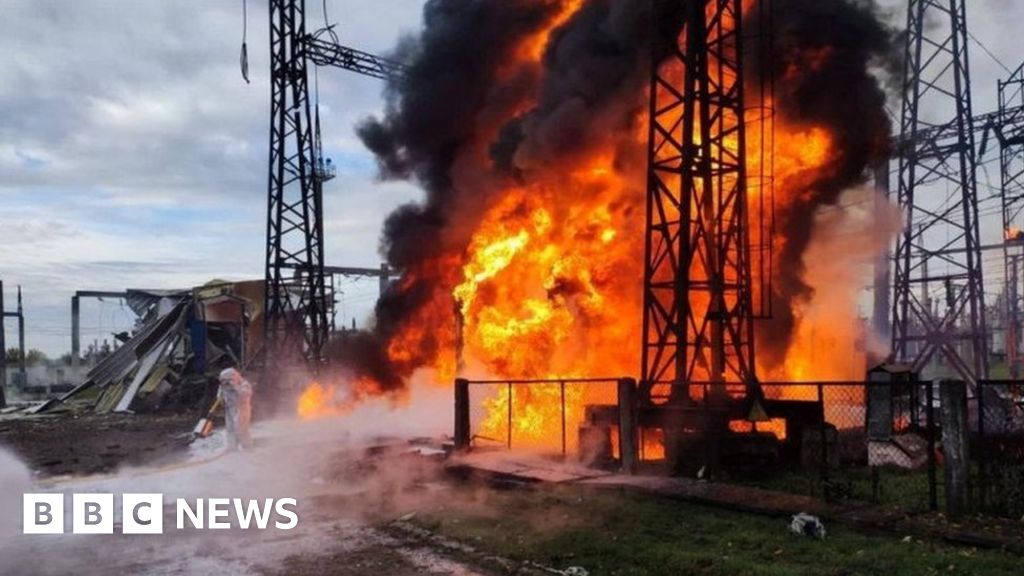
Europe is once again running into the same brutal wall: heat arrives, the land dries out, and firefighters are forced into a race they cannot fully win. The latest Europe wildfires in France and Spain are not just another summer disaster. They are a warning shot about a continent where record heat, neglected landscapes, and overloaded emergency systems are colliding at the worst possible time. These fires are burning through more than forests. They are exposing brittle infrastructure, strained disaster planning, and the hard truth that climate adaptation is still lagging behind climate reality. As more heat looms, the question is no longer whether the next fire season will be worse. It is whether governments are prepared for what a longer, hotter, more volatile future actually looks like.
- France and Spain are facing fast-moving wildfires fueled by extreme heat and dry conditions.
- The crisis shows how climate change is amplifying fire behavior and compressing response times.
- Emergency crews are fighting not just flames, but terrain, wind, fuel loads, and exhausted resources.
- Long-term resilience will depend on land management, early warning systems, and heat adaptation.
- The Europe wildfires crisis is a preview of a broader climate stress test for the continent.
The Europe wildfires crisis is getting harder to contain
Wildfires in southern Europe have always been a summer threat, but the scale and speed of recent blazes are changing the stakes. What used to be a seasonal hazard is becoming a recurring systems failure. In France and Spain, fire crews are confronting extreme heat, strong winds, and highly combustible terrain that can turn a local ignition into a regional emergency in hours.
The immediate cause may be a spark, but the underlying conditions are structural. Hotter summers dry out vegetation earlier in the season. Prolonged drought weakens ecosystems that once acted as natural buffers. Rural depopulation leaves more unmanaged land behind, creating dense fuel beds that fire can race through. Put simply: the landscape is primed, and every heatwave makes it more dangerous.
The new wildfire reality in Europe is not just about suppression. It is about whether societies can keep landscapes from becoming kindling in the first place.
Why the fires are spreading so fast
The mechanics of a mega-fire are brutally simple. Heat lowers moisture, wind pushes flames, and dry fuel does the rest. But what makes today’s fires so alarming is the way climate change is stacking these variables together. Fire seasons are longer. Heatwaves start earlier. Nighttime cooling is weaker. And when the atmosphere stays hot, it can pull moisture from vegetation and soil at a pace that normal firefighting tactics struggle to keep up with.
Heat is turning ordinary terrain into a fire accelerator
In many parts of the Mediterranean basin, forests and scrubland are increasingly acting like a continuous fuel network. Once flames catch, embers can travel far ahead of the main fire front, creating new spot fires that jump roads, ridges, and containment lines. This makes suppression more expensive, more dangerous, and less predictable.
That unpredictability matters because firefighting strategy depends on time. Crews need early detection, fast mobilization, and favorable weather windows. When heat and wind remove those advantages, responders are often left playing defense against a rapidly shifting fire perimeter.
Urban edges are becoming high-risk zones
Another reason these fires are so disruptive is the expansion of communities into fire-prone land. Suburban and peri-urban development has placed homes, roads, and utilities closer to wildland areas, creating what disaster planners call the wildland-urban interface. In those zones, a fire is never just a forest problem. It becomes a public safety crisis, a transport issue, and an energy-grid threat.
Pro tip: Regions that live with recurring wildfire risk need building codes, evacuation routes, and defensible-space rules that are designed for a world where fire behavior is more extreme than historical averages suggest.
Why Europe’s heat problem is becoming a policy problem
The wildfire story is really a heat story. And the heat story is really a governance story. Europe has made major climate commitments, but commitments do not automatically translate into localized resilience. Firefighting aircraft, better coordination, and stronger civil protection are crucial, but they only address the emergency after ignition. The harder task is reducing the conditions that make megafires more likely in the first place.
That means investing in forest thinning, controlled burns where appropriate, and landscape management that breaks up fuel continuity. It also means modernizing warning systems so residents get alerts quickly enough to leave safely. The more heat intensifies, the more these systems become core public infrastructure rather than optional upgrades.
Adaptation is no longer a climate side project. In fire-prone regions, it is now basic state capacity.
Land management is the quiet frontline
One of the least glamorous but most effective defenses against catastrophic fire is better land stewardship. Abandoned agricultural areas can become dense fuel. Overgrown plantations can act like accelerants. Even protected natural areas need management plans that reflect the new fire regime. Letting land sit untouched is not neutrality anymore. In many places, it is a risk multiplier.
This is where politics gets uncomfortable. Active management costs money, can be controversial, and may clash with conservation instincts that favor minimal intervention. But the alternative is often letting perfect ecological intentions collide with a hotter atmosphere and more destructive fire behavior.
What the France and Spain fires reveal about climate resilience
The latest Europe wildfires show how resilience is now measured in seconds, not slogans. Emergency response systems need fuel, staffing, equipment, and interregional coordination. Hospitals need heat plans. Transport corridors need contingency planning. Power and communications networks need redundancy because smoke, fire, and heat can all disrupt service at once.
This is especially important as heatwaves become more frequent. When the thermometer keeps climbing, wildfires are only one part of the threat. Heat also increases dehydration, worsens cardiovascular risk, and pushes public health systems toward overload. In other words, the same weather pattern that feeds wildfire can also make it harder for people to survive evacuation, displacement, and smoke exposure.
The smoke is part of the disaster
Wildfire smoke can travel far beyond the flame zone, degrading air quality and affecting people with asthma, heart disease, and other chronic conditions. That means the fire footprint is often larger than the burned area. A single event can trigger school closures, flight delays, hospital surges, and economic interruptions across multiple regions.
Why this matters: the cost of wildfires is no longer measured only in hectares burned. It includes lost labor, stressed health systems, emergency logistics, and long-tail recovery costs that can drag on for months or years.
How governments and residents should respond now
The difficult truth is that there is no silver bullet. But there is a clear hierarchy of action, and it starts before flames appear.
- Upgrade early warning systems so alerts reach residents quickly and clearly.
- Harden evacuation plans for towns at the wildland-urban interface.
- Invest in land management to reduce fuel continuity across vulnerable regions.
- Expand firefighting capacity with equipment, training, and mutual aid agreements.
- Prepare health systems for smoke exposure, heat stress, and displacement.
For residents, the practical steps are equally important. Keep evacuation go-bags ready. Know multiple exit routes. Clear combustible material around homes where local rules allow. And during severe heat alerts, pay attention to official guidance early, not after a plume is visible on the horizon.
Pro tip: If a community has experienced repeated fire seasons, local authorities should treat wildfire drills the way schools treat lockdown exercises: routine, rehearsed, and taken seriously before the emergency arrives.
The bigger future of Europe wildfires
If the current trend continues, Europe is heading into a future where fire suppression becomes more expensive and less decisive. That does not mean every summer will bring the same devastation. It does mean the risk curve is rising. A continent built on the assumption of predictable seasons is now dealing with weather that can outpace its institutions.
That is the real story behind these flames. France and Spain are not isolated cases. They are part of a wider climate pattern that is reshaping how governments think about forestry, housing, emergency management, and public health. The next phase of climate response will be judged not by how loudly leaders warn about the danger, but by whether they rebuild systems capable of surviving it.
Fire seasons used to be something Europe endured. Now they are becoming something Europe must engineer around. And unless adaptation accelerates fast, more heat will keep turning familiar landscapes into emergency zones.
The information provided in this article is for general informational purposes only. While we strive for accuracy, we make no guarantees about the completeness or reliability of the content. Always verify important information through official or multiple sources before making decisions.