Niger Kidnapping Release Exposes Security Gaps
Niger Kidnapping Release Exposes Security Gaps
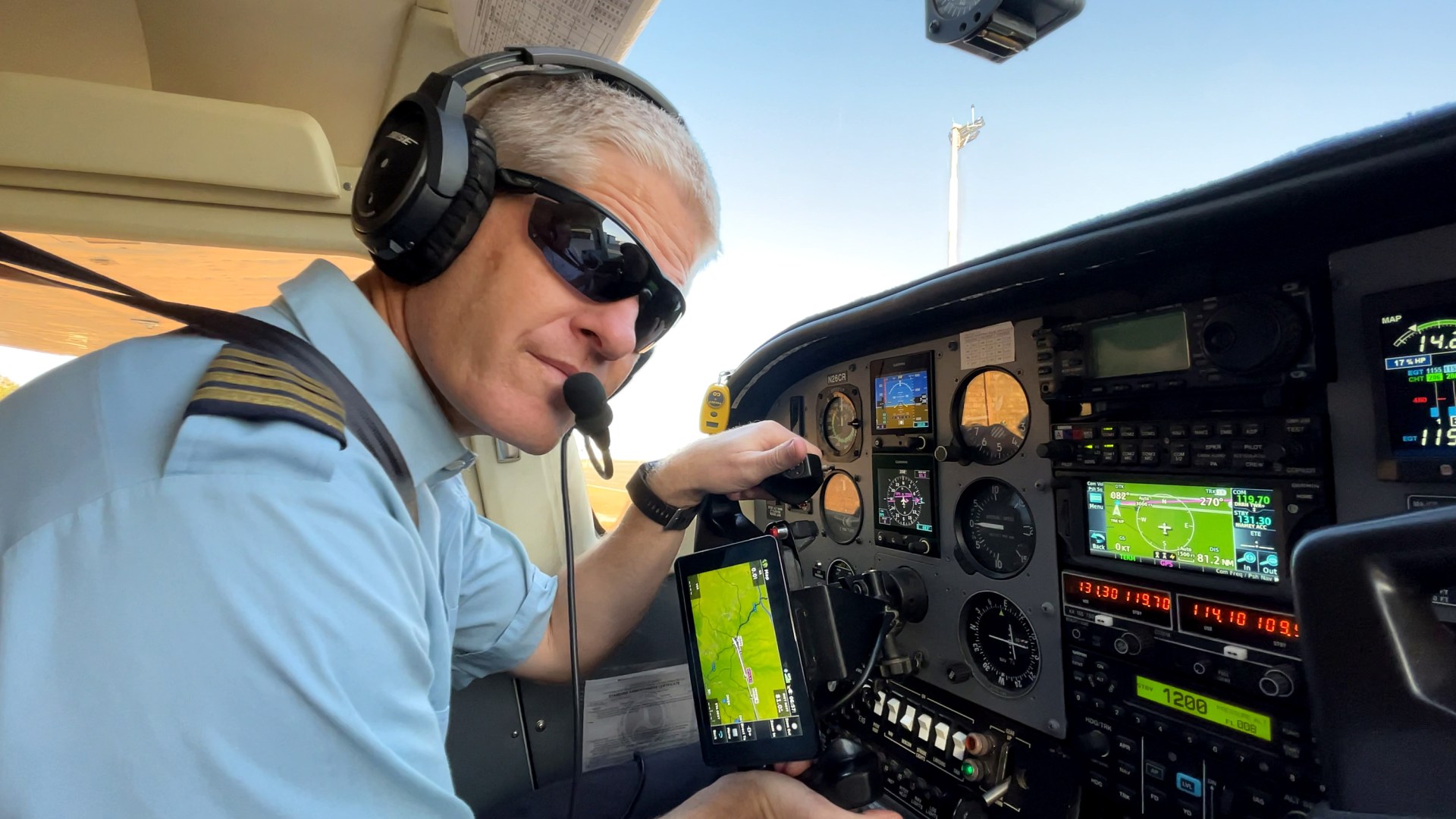
The release of American missionary Kevin Rideout in Niger is more than a rescue headline. It is a reminder that kidnapping in the Sahel remains a brutal, evolving business model, one that can swallow aid workers, missionaries, contractors, and travelers with alarming speed. For organizations operating in West Africa, the lesson is blunt: goodwill is not a security strategy. Neither is routine. The terrain is too vast, the militant ecosystem too fluid, and the incentives for abductors too strong. Rideout’s ordeal also underscores how hostage crises have become a test of state capacity, diplomatic leverage, and local intelligence networks. If you send people into unstable regions, you need more than a prayer and a plane ticket. You need a system.
- Kevin Rideout’s release highlights the persistent kidnapping threat in Niger and across the Sahel.
- Security failures are often organizational, not just situational.
- NGOs, faith groups, and businesses need stricter travel, communication, and evacuation plans.
- Ransom economies and militant fragmentation keep hostage-taking attractive to armed groups.
- Regional instability means the risk is unlikely to disappear anytime soon.
Why the Kevin Rideout kidnapping matters
The Kevin Rideout kidnapping is not just a single rescue story. It sits inside a larger pattern of insecurity stretching across Niger, Mali, Burkina Faso, and neighboring corridors where insurgent groups, criminal gangs, and opportunistic kidnappers operate in overlapping networks. That matters because abductions in these zones are rarely random. They are often calculated, timed, and designed to exploit weak state presence, poor road security, and limited rapid-response capacity.
For Western organizations, this is the uncomfortable part: the threat is predictable, but still widely underestimated. Many groups assume local goodwill, community relationships, or previous safe missions will protect their teams. That assumption fails when armed actors control roadways, exploit border gaps, or simply recognize the value of a foreign captive. A hostage can become currency, leverage, or propaganda.
Kidnapping in the Sahel is not an anomaly. It is a pressure point in a regional security system that continues to fracture under political instability and armed violence.
The Niger security environment is still fragile
Niger has been under intense strain from jihadist violence, border instability, and political upheaval. Even where the state maintains a presence, it often struggles to control large rural areas, secure transit routes, or respond quickly to kidnappings once they happen. That creates an environment where armed groups can move people across remote terrain faster than authorities can coordinate a response.
Remote geography amplifies risk
Large stretches of desert, limited paved infrastructure, and thinly spread security forces make Niger difficult to monitor. Once a person is taken, time works against the victim. Communications can be cut, witnesses may be scarce, and pursuit becomes complicated by distance and jurisdictional confusion.
That is why abductions in this region often trigger a multi-layered effort involving local authorities, tribal intermediaries, intelligence channels, and foreign diplomats. The process is rarely clean. It is usually improvised, politically sensitive, and constrained by what each actor can safely say or do.
Kidnapping is also an economic weapon
Hostage-taking is not just about violence. It is about economics. In places where armed groups face funding pressures, kidnapping can be a profitable alternative to territorial control. Even when ransom is not publicly confirmed, the mere possibility of payment changes the incentives. Foreigners, aid workers, and religious figures can be seen as high-value targets because they attract attention and, in the minds of captors, potential leverage.
That is why public messaging matters. Organizations need to avoid signaling that a team is poorly protected, poorly tracked, or easily isolated. Criminal and militant groups study those patterns more carefully than many executives do.
What the Kevin Rideout kidnapping reveals about risk management
Every hostage incident exposes the difference between a travel policy and an actual operational security framework. A policy might say staff should avoid high-risk areas. A framework asks: What happens if they still need to go? Who checks routes? Who holds the emergency contacts? How often are movement plans updated? Who has the authority to trigger a stand-down?
This is where many faith-based and humanitarian organizations fall short. They often rely on trust, local experience, and flexible mission planning. Those strengths are real. But in hostile environments, flexibility without structure becomes vulnerability. The question is not whether teams can work in dangerous places. It is whether they can do so without becoming easy targets.
- Pre-trip threat assessments: Revisit them before every journey, not just once a year.
- Route discipline: Avoid predictable travel windows and repeat road patterns.
- Comms checks: Use layered communication plans with backup devices and contact trees.
- Local intelligence: Build real-time situational awareness, not just generic country notes.
- Extraction triggers: Define conditions that force an immediate pause or evacuation.
How NGOs and missions should harden their protocols
If your organization operates in Niger or similar environments, the response to the Kevin Rideout kidnapping should be operational, not symbolic. Prayer, support, and public statements matter, but they are not substitutes for redesigned procedures. The next incident may not end as safely.
Build a movement control system
Track every departure, arrival, and deviation. Not casually. Systematically. A movement control system should include scheduled check-ins, route confirmation, vehicle details, and escalation thresholds if a contact is missed. If a team is off-grid, somebody should know exactly when to worry.
This can be implemented with a simple internal workflow:
check_in_interval = 30 minutesmissed_checks = 2escalation = security_lead + local_contact + regional_manager
That is not about bureaucracy. It is about reducing ambiguity in a crisis.
Train for delay, detention, and negotiation realities
Many organizations train for first aid and road accidents, but not for abduction scenarios. That is a mistake. Staff should understand how kidnappings typically unfold, how to behave if detained, how to preserve mental resilience, and how families are supported if communication goes dark. Training should also explain what the organization will and will not say publicly if a ransom-sensitive situation emerges.
Pro tip: run tabletop exercises that simulate a missing-person case before it becomes a hostage crisis. The first hour of response often determines the quality of the entire operation.
Separate mission urgency from mission necessity
Too often, teams frame dangerous travel as unavoidable because the need is urgent. Urgency is real, but it can cloud judgment. Ask a harder question: does this specific trip need to happen now, and does it need to happen in person? Remote coordination, local partners, or delayed deployment may accomplish the same objective with far less exposure.
Safety failures usually begin with good intentions and weak trade-offs. The most dangerous sentence in high-risk operations is: “We have to go anyway.”
Why the Sahel kidnapping economy keeps surviving
There is a reason kidnapping remains so persistent in the Sahel. The mix of under-resourced security forces, porous borders, armed ideology, local criminal opportunism, and limited judicial reach makes the environment durable for hostage-taking. Even when a victim is released, the underlying incentives remain.
Political instability makes this worse. Military coups, contested legitimacy, and shifting alliances can weaken coordination between domestic agencies and international partners. That can slow investigations, complicate negotiations, and create blind spots that abductions exploit. In practical terms, kidnappers do not need perfect planning. They only need one weak link.
For businesses with supply chains or field operations in the region, the implications are serious. Contractor safety, insurance costs, travel approvals, and continuity planning all become more complex when a country is perceived as a kidnapping hotspot. The financial impact extends well beyond the immediate victim.
What happens next for foreign groups in Niger
The biggest risk after a high-profile release is complacency. A successful recovery can create the illusion that the system worked well enough. But a single release does not mean the environment is safer. It may simply mean the victim was fortunate, negotiators were effective, or the captors saw value in letting the case close quietly.
Foreign organizations should assume the opposite of relief: that hostile actors have now seen how the crisis played out, how quickly attention was drawn, and what kinds of pressure may have mattered. That intelligence can shape future targeting.
Governments, meanwhile, face the harder task. They must balance public transparency, diplomatic coordination, and the protection of sensitive details. Overexposure can endanger future victims. Silence can undermine accountability. There is no perfect formula, only disciplined judgment.
The bigger lesson from Kevin Rideout’s release
The Kevin Rideout kidnapping should force a simple recalibration: operating in Niger and the wider Sahel now requires a security-first mindset, not just a humanitarian or religious mission mindset. The region is still too unstable, the threat actors too adaptive, and the consequences too severe to treat kidnapping as an outlier.
That does not mean abandoning the region. It means respecting it. The groups that survive here will be the ones that invest in intelligence, accept hard limits, and prepare for the worst before leaving the compound. The ones that do not will keep discovering the same truth in the most painful way possible.
Kidnapping is not only a crime against a person. In places like Niger, it is a stress test for every institution around that person. The release is relief. The lesson is warning.
The information provided in this article is for general informational purposes only. While we strive for accuracy, we make no guarantees about the completeness or reliability of the content. Always verify important information through official or multiple sources before making decisions.