Nurses Demand Safer Hospitals
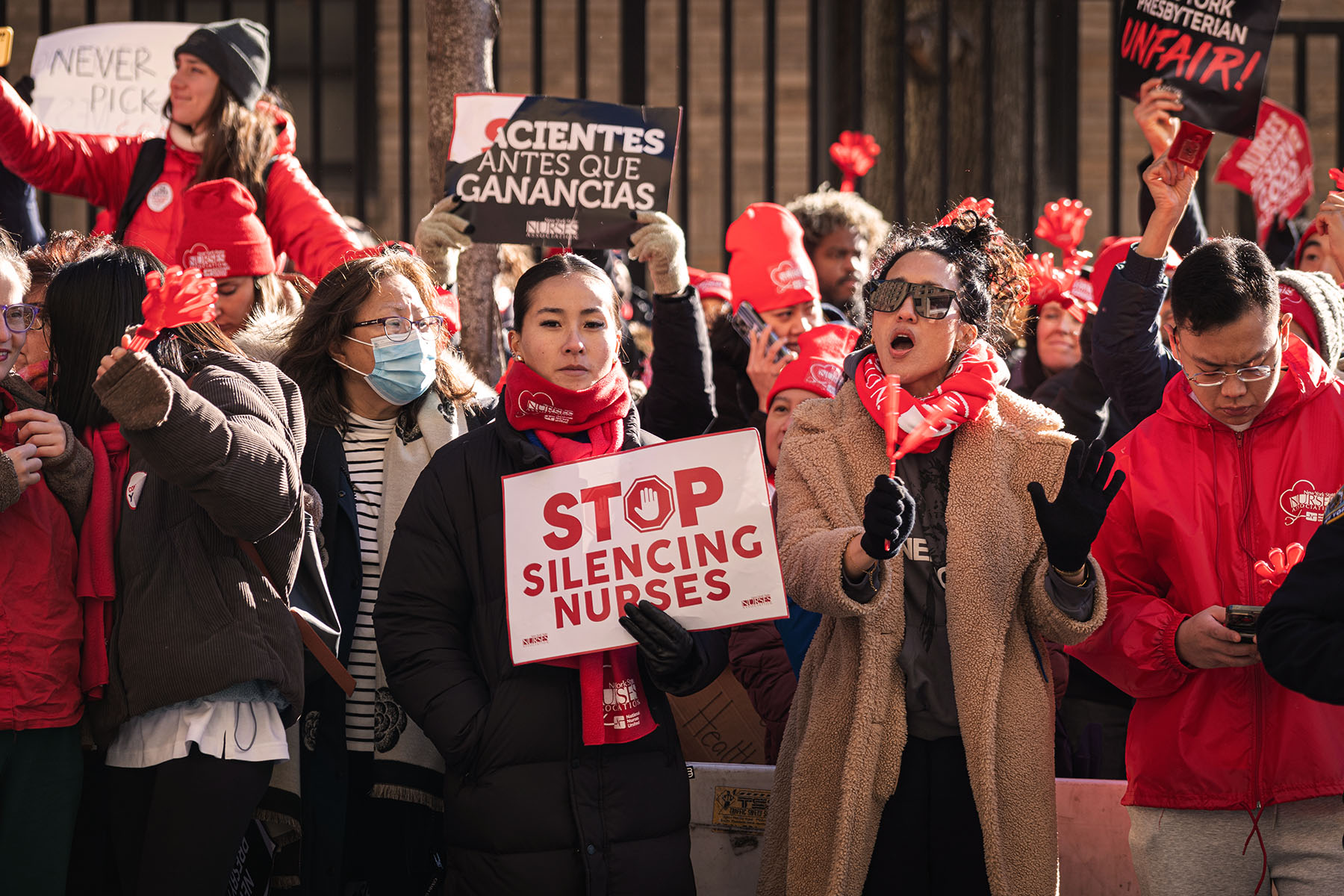
Nurses Demand Safer Hospitals
Hospitals have spent years talking about burnout, retention, and staffing gaps. But the latest flashpoint is harder to ignore: nurses are walking off the job because the workplace itself has become dangerous. The nurses strike over workplace violence is not just another labor dispute. It is a blunt warning that the healthcare system has normalized risks no other industry would shrug off. When nurses say they are being hit, kicked, threatened, and left without meaningful protection, the issue stops being about workplace culture and becomes about basic operational failure. Hospitals cannot deliver quality care if the people delivering it are afraid to show up. That is the uncomfortable truth behind this fight, and it is why the stakes extend far beyond a single picket line.
- Hospital violence is now a frontline staffing and safety crisis, not a niche labor issue.
- The
nurses strikehighlights how weak prevention policies can drive turnover and weaken patient care. - Hospitals that underinvest in security, reporting, and de-escalation training pay for it later in lawsuits, vacancies, and bad outcomes.
- Patients, administrators, and unions all have a stake in redefining what “safe care” actually means.
- This dispute could reshape labor bargaining across healthcare if more facilities are forced to treat violence prevention as core infrastructure.
Why the nurses strike matters now
The timing matters. Healthcare systems are already stretched by chronic understaffing, rising acuity, and an exhausted workforce that has not fully recovered from years of pandemic pressure. Against that backdrop, workplace violence does more than hurt morale. It drives experienced nurses out of bedside roles, deepens vacancies, and makes every shift harder to cover. That creates a dangerous loop: fewer nurses on the floor means slower response times, more frustration from patients and families, and a higher risk of confrontations. The strike is effectively saying that violence prevention is not optional, and it is not a public relations slogan. It is a condition of running a functioning hospital.
For hospital executives, this is a strategic problem with financial consequences. Security costs money. Training costs money. Staffing above the bare minimum costs money. But ignoring violence costs more over time through turnover, overtime, reputational damage, and disrupted operations. The health care labor market has made one thing very clear: workers now expect employers to treat physical safety as seriously as any other clinical standard.
The workplace violence problem hospitals keep underestimating
Hospital violence is often dismissed as an unfortunate byproduct of a high-stress environment. That framing is too convenient. It implies that assaults and threats are somehow inevitable, when many incidents are predictable, preventable, and repeated in the same units. Emergency departments, psychiatric wards, med-surg floors, and waiting rooms are especially vulnerable. Nurses often face aggressive behavior from confused, intoxicated, delirious, or distressed patients, as well as from visitors who have been allowed too much access and too little oversight.
What makes the issue especially corrosive is that the harm is both physical and psychological. A nurse who gets assaulted on one shift may still return the next day, but with less trust in leadership and less confidence that anyone will intervene if things escalate again. Over time, that compounds into fear, disengagement, and attrition. Hospitals then lose not only labor hours but institutional memory, clinical judgment, and the kind of calm expertise that cannot be replaced with a temp hire.
Workplace violence in healthcare is not a side issue. It is a systems failure that shows up as burnout, turnover, and worse patient care.
What nurses are really asking for
The demands behind a nurses strike usually go beyond a headline about security guards or cameras. Nurses are pushing for a package of protections that recognizes violence as a design problem, not just a disciplinary one. That typically includes more staffing, more visible security, better incident reporting, faster response to threats, and de-escalation protocols that are actually practiced rather than filed away in a binder.
There is also a cultural piece. Many nurses say violence gets minimized, especially when patients are impaired, agitated, or already known to staff. The result is a workplace where some aggression is normalized and underreported. If leadership only responds when an event becomes severe enough to make the news, the organization is already behind. The most effective hospitals tend to treat these risks early and consistently, not episodically.
What stronger protections look like
- Clear reporting channels for threats, assaults, and repeated harassment.
- Real-time security response protocols for high-risk units.
- De-escalation training that is scenario-based, not checkbox-based.
- Policies that limit uncontrolled access in vulnerable areas.
- Staffing models that reduce the chance of being isolated with an aggressive patient.
Those steps may sound basic, but in many facilities they remain unevenly implemented. That gap is exactly why labor pressure is intensifying.
How the nurses strike exposes the economics of care
Hospital leaders often frame safety upgrades as budget tradeoffs. That argument falls apart under scrutiny. A facility that saves a few percentage points on prevention can spend far more on premium overtime, agency labor, injury claims, workers’ compensation, and recruitment. Add in the cost of negative publicity and union conflict, and the math gets worse fast. In practical terms, violence is not just a human resources issue. It is an operating expense that has been allowed to metastasize.
There is also a quality-of-care angle that administrators cannot spin away. A nurse who is constantly scanning for danger is not operating at full cognitive bandwidth. Neither is a team that has to absorb repeated disruptions from combative behavior without adequate backup. Hospitals that ignore this dynamic may still meet a staffing headcount on paper, but they will not necessarily deliver safe, attentive care in practice.
That is why this strike lands with such force. It ties together two narratives healthcare leaders have often kept separate: worker safety and patient safety. The labor movement is arguing that they are the same conversation.
Why patients should care too
It is easy to treat this as a dispute between unions and management, but patients are caught in the middle. When nurses strike, elective procedures get delayed, bedside care gets strained, and the remaining staff absorbs even more pressure. That is the immediate cost. The longer-term cost is more severe: if hospitals fail to create safer environments, they will continue losing veteran nurses, and patients will be cared for by a thinner, more fatigued workforce.
Patients also benefit when violence is addressed directly. Safer hospitals tend to have better communication, more orderly workflows, and fewer avoidable crises. A workplace where staff can focus on clinical judgment rather than self-protection is a better place to receive care. That should be obvious, but healthcare systems often need a labor showdown to remember it.
When staff safety improves, patient safety usually does too. The two are not competing priorities.
What hospitals should do next
If hospital leadership wants to avoid more strikes, more resignations, and more headlines, it needs to stop treating violence prevention as a narrow security function. This is an enterprise-wide challenge. Leaders should start by mapping where incidents cluster, which shifts are most vulnerable, and where response times break down. Then they need to act on the findings with the same urgency they would apply to infection control or medication errors.
Pro tip: the best violence-prevention programs are measurable. If leadership cannot tell you how often incidents happen, where they happen, and how quickly staff get help, the program is probably performative.
A practical response framework
- Audit all violent and threatening incidents over the last 12 months.
- Identify repeat hotspots by unit, time, and patient population.
- Upgrade staffing and security coverage where incidents cluster.
- Standardize post-incident follow-up for staff support and reporting.
- Track whether interventions reduce assaults, injuries, and turnover.
That kind of approach is not flashy, but it is the difference between reactive management and actual leadership. Hospitals that embrace transparency can also rebuild trust with nurses by proving that reporting leads to action instead of paperwork.
The bigger industry shift
The deeper story here is that healthcare workers are redrawing the boundaries of acceptable risk. For years, the industry relied on the goodwill and resilience of nurses to absorb chaos. That bargain is breaking down. Nurses are increasingly saying they will not shoulder unsafe conditions just because the mission is noble. And they are right. Noble work does not require martyrdom.
This may become a template for future labor fights across healthcare. If one hospital system can be pressured to harden its violence-prevention policies, others will face the same demand. Over time, this could change how facilities budget for safety, how regulators think about reporting, and how unions negotiate staffing language. The ripple effects could be substantial, especially in high-volume urban hospitals and psychiatric settings where the risks are highest.
The signal is unmistakable: the era of pretending workplace violence is part of the job is ending. Hospitals that adapt will be better positioned to recruit, retain, and protect their workforce. Those that do not will keep paying the price in strikes, shortages, and eroding trust.
The bottom line
The nurses strike is not just a labor action. It is a referendum on whether healthcare institutions will treat worker safety as core infrastructure or as an optional upgrade. Nurses are asking for the most basic promise an employer can make: that showing up to work should not mean accepting routine violence as normal. Hospitals that understand the message will move quickly, invest seriously, and measure results. Hospitals that do not will keep discovering that a broken safety culture eventually becomes a broken staffing model.
The information provided in this article is for general informational purposes only. While we strive for accuracy, we make no guarantees about the completeness or reliability of the content. Always verify important information through official or multiple sources before making decisions.