NYC Tightens the Screws on E-Bikes
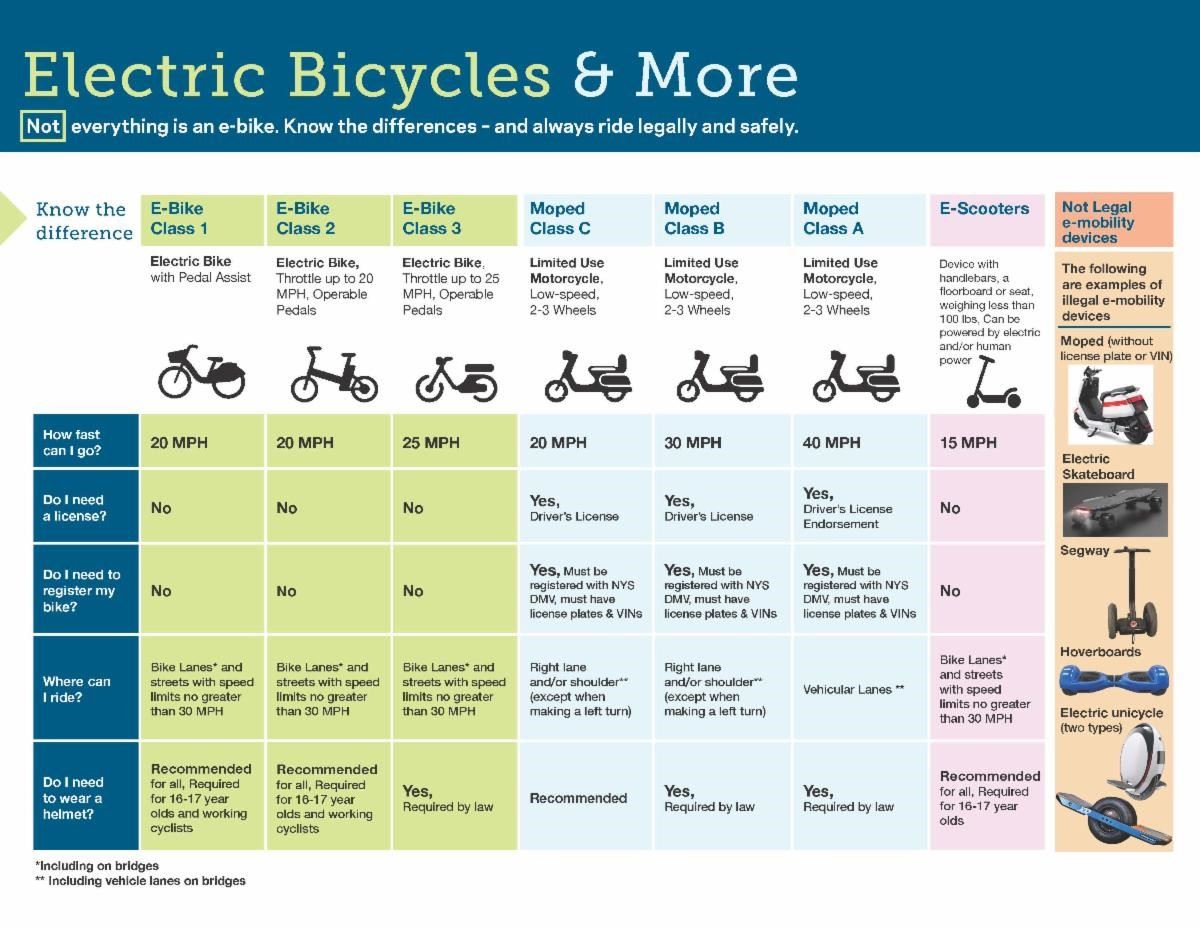
NYC Tightens the Screws on E-Bikes
New York City is no longer treating e-bikes and electric scooters like a novelty. It is treating them like a municipal problem with real consequences. That shift matters because the city’s streets now run on a fragile bargain: faster deliveries, cheaper commuting, and cleaner last-mile transport on one side, and fire risk, sidewalk chaos, and enforcement headaches on the other. For riders, building managers, delivery workers, and platform operators, the rules around e-bikes and electric scooters are becoming harder to ignore. The city is signaling that convenience will no longer outrun safety. If you rely on these devices, or manage the spaces where they are stored and charged, the next wave of regulation could change how you work, move, and pay for compliance.
- New York City is moving from tolerance to tighter enforcement on
e-bikesandelectric scooters. - The biggest risks are charging-related fires, curbside clutter, and unclear responsibility across riders, landlords, and apps.
- Delivery workers and low-cost mobility users may feel the impact first, even if the policy is framed as public safety.
- Storage, charging, and battery rules are becoming as important as the vehicles themselves.
- The real story is not just regulation: it is who pays for safer urban mobility.
Why NYC Is Cracking Down Now
New York’s relationship with micromobility has always been uneasy. The city wants the benefits of smaller, faster, low-emission transport, but it also has to manage the mess that follows when thousands of riders use the same sidewalks, hallways, elevators, and apartment chargers. The current crackdown reflects a simple reality: the old informal system is breaking down. Too many devices are being charged in unsafe conditions. Too many riders are navigating a patchwork of rules that are hard to understand and even harder to enforce. And too many buildings are quietly absorbing the risk until something goes wrong.
The pressure is especially intense because e-bikes and scooters are no longer niche gear. They are infrastructure. Delivery platforms depend on them. Workers depend on them. Residents depend on them. That makes enforcement politically delicate and operationally messy. But it also makes inaction expensive. When a battery fails or a hallway becomes a bottleneck, the consequences are not abstract. They can be immediate, destructive, and deadly.
The New York City E-Bike Rules Problem
The phrase New York City e-bike rules sounds straightforward until you look at how many different systems it touches. There is street enforcement, building code enforcement, fire safety, labor policy, and consumer product oversight. None of those systems was built for the rise of cheap, high-powered lithium-ion mobility devices. That is why so many policy responses feel reactive instead of coordinated.
One reason this debate keeps resurfacing is that the city is trying to solve a hardware problem with policy language. Batteries are the issue. Charging is the issue. Storage is the issue. But regulations usually land on behavior: where you ride, where you park, where you charge, and who is responsible when things go wrong. That creates friction, especially for workers who do not own the building they live in or the vehicle they use.
Key insight: The city is not just regulating transportation. It is regulating the hidden supply chain of how people store, charge, and depend on personal electric vehicles.
What riders are likely to notice first
For everyday users, the first visible change is usually not a ban. It is a tightening of expectations. Expect more scrutiny around parking, less tolerance for charging in hallways or shared exits, and more pressure on stores and service shops that sell or service questionable batteries. Riders may also see more enforcement attention in dense neighborhoods where the volume of devices is highest and where a single fire or blocked exit can endanger dozens of people.
That can feel like overreach if you are simply trying to get to work. But the city’s logic is hard to dismiss: when one rider’s charging habit can threaten an entire building, the issue stops being personal convenience and becomes public safety.
How E-Bikes Became a Building Safety Issue
The most important shift in this story is not on the street. It is indoors. Apartment buildings, warehouses, storefronts, and delivery hubs have become the real front line for the NYC e-bike crackdown. The reason is simple: lithium-ion batteries can fail catastrophically if they are damaged, counterfeit, modified, or charged improperly.
Building operators are now being forced to think like risk managers. Where are bikes stored? Are batteries being charged near exits? Are charging stations certified? Are tenants using legal equipment or off-brand replacements with unknown safety standards? These are not small questions. They are the difference between routine operations and a fire department response.
For landlords, this creates a new compliance burden. For tenants, it creates uncertainty. And for workers who bring their bikes home because they cannot afford secure storage elsewhere, it raises a grim question: where exactly is safe?
Battery risk is the real story
Most public conversations about e-bikes focus on speed, collisions, and sidewalk etiquette. Those are real issues, but they are not the ones that keep inspectors, firefighters, and building managers up at night. The battery supply chain is the more dangerous, and less visible, problem.
Cheap replacement batteries, modified chargers, and damaged packs can turn a mobility device into a fire hazard. That is why the city’s enforcement posture matters so much. It is not just trying to make riders slower or more compliant. It is trying to reduce the number of low-quality devices and unsafe charging setups circulating through the city.
Why This Matters for Delivery Workers and Apps
Any serious discussion of electric scooter and e-bike regulation in NYC has to include delivery workers. These are the people who use the devices most intensely, often under the least favorable conditions. They ride long hours, store bikes in crowded apartments, and replace parts on tight budgets. When policy shifts, they usually absorb the cost first.
That cost can take several forms. Workers may need safer batteries, approved charging setups, or off-site storage. They may lose access to the cheapest equipment if enforcement clamps down on gray-market sales. And if platforms push speed while cities push safety, the worker is the one stuck between timelines that do not match.
There is also a labor angle that is easy to miss. If the city starts enforcing more aggressively without creating practical support systems, then compliance becomes a privilege. That means better-resourced riders adapt quickly while everyone else keeps taking risks to keep earning.
Pro tip: If you depend on an e-bike for work, document your battery model, charger type, and purchase source now. When rules tighten, proof of compliant equipment can matter more than ride history.
What Enforcement Could Look Like Next
Expect the city to mix visible enforcement with quieter pressure points. That means more inspections, more public warnings, and more scrutiny of storefronts or storage sites that enable unsafe charging. It may also mean pressure on delivery platforms and battery retailers to clean up their ecosystems before regulators do it for them.
That approach makes sense politically because it spreads responsibility. But it also creates uneven outcomes. A serious rider using approved equipment may feel little difference. A worker buying batteries from the cheapest available source may suddenly find themselves in the crosshairs.
- More fire-safety inspections in dense residential buildings.
- More attention to charging in hallways, lobbies, and exits.
- More pressure on battery sellers and repair shops.
- More expectations for employers and delivery platforms to educate workers.
- Potential penalties for buildings or businesses that ignore repeated violations.
The Big Policy Tradeoff
The city faces a brutal tradeoff: crack down too hard and you punish a transportation mode that helps workers, reduces emissions, and eases congestion. Crack down too softly and you normalize a safety hazard that can engulf entire buildings. That tension is why NYC e-bike rules are becoming such a major policy story. This is not a simple enforcement issue. It is a test of whether a megacity can modernize mobility without outsourcing the risk to the poorest people using it.
From a governance perspective, the answer will likely be imperfect. The city can regulate storage, charging, and sales. It can educate riders and inspect buildings. It can even pressure platforms to support safer behavior. But it cannot fully solve the economics driving unsafe use: low wages, expensive replacement parts, and the demand for rapid delivery at almost any cost.
What should happen next
The best version of the policy response would pair enforcement with practical alternatives. That could include certified charging stations, safer storage options in dense neighborhoods, clearer device labeling, and outreach in the languages delivery workers actually use. It would also mean targeting the worst equipment, not just the most visible riders.
Without that balance, the crackdown risks becoming performative. It may make headlines, but it will not solve the underlying safety problem. The city needs fewer unsafe batteries in circulation, not just more tickets on the street.
Why This Matters Beyond New York
What happens in New York rarely stays in New York. If the city successfully hardens its approach to e-bikes and electric scooters, other dense cities will copy the playbook. That matters because the same pattern is emerging everywhere: more delivery work, more micromobility, more apartment charging, and more battery-related safety scares.
In that sense, the current crackdown is bigger than local enforcement. It is a preview of the next urban mobility fight. Cities want cleaner transport, but they also want liability limits. Workers want affordable tools, but they also need safety. Platforms want speed, but they rarely want to pay for the infrastructure that speed requires. Those conflicts are now colliding in real time.
The real question is not whether cities will regulate micromobility. They already are. The question is whether they will do it intelligently, with enough support to make compliance possible. If they do not, the problem will not disappear. It will just move indoors, into hallways, bedrooms, and basements, where the consequences are harder to see and much harder to contain.
Bottom line: New York’s new stance on e-bikes and scooters is a warning shot. The city is done pretending that micromobility is a side issue. It now sees it as a core public safety and infrastructure challenge, and that changes everything.
The information provided in this article is for general informational purposes only. While we strive for accuracy, we make no guarantees about the completeness or reliability of the content. Always verify important information through official or multiple sources before making decisions.