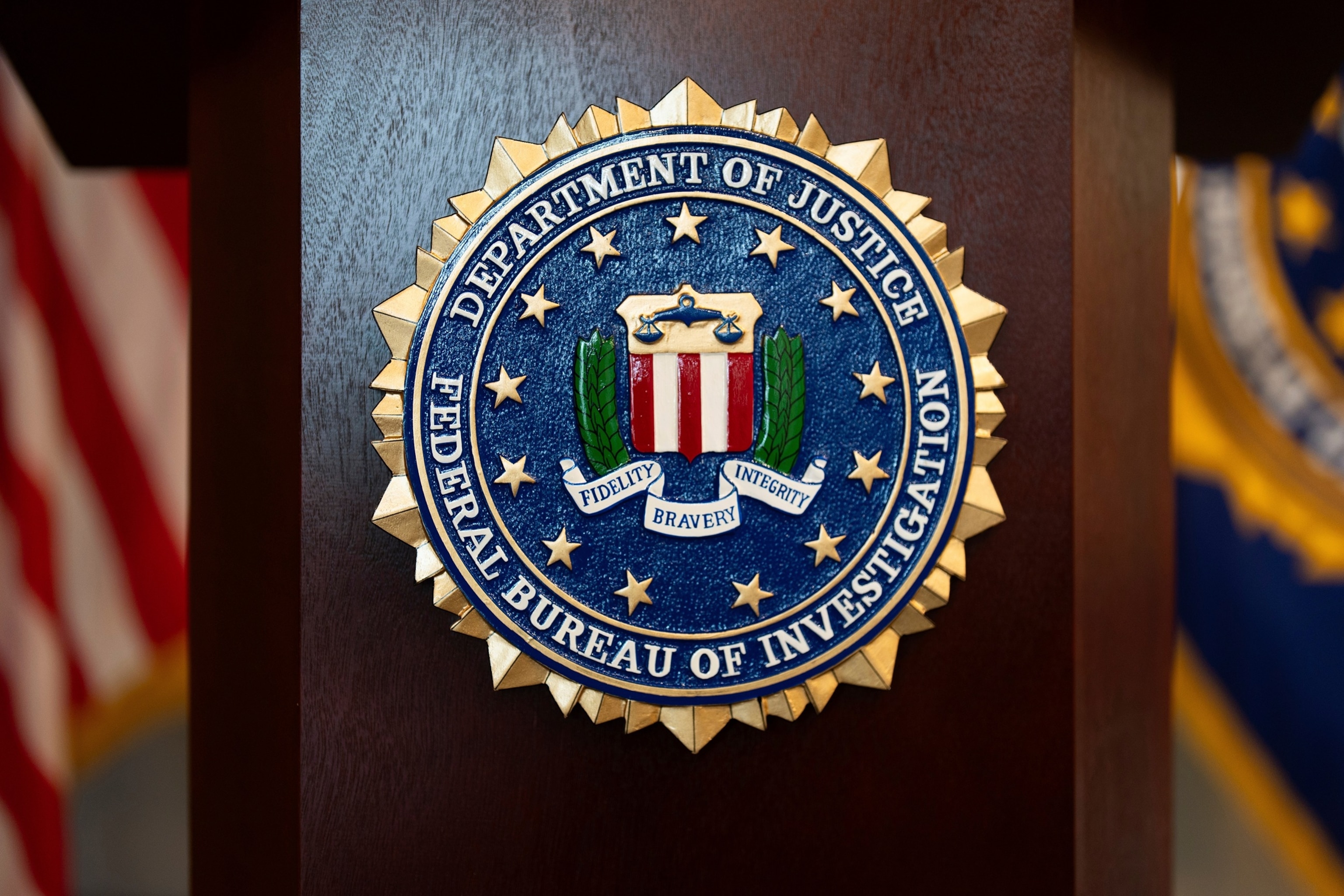
Pentagon Watchdog Puts Iran War Under the Microscope
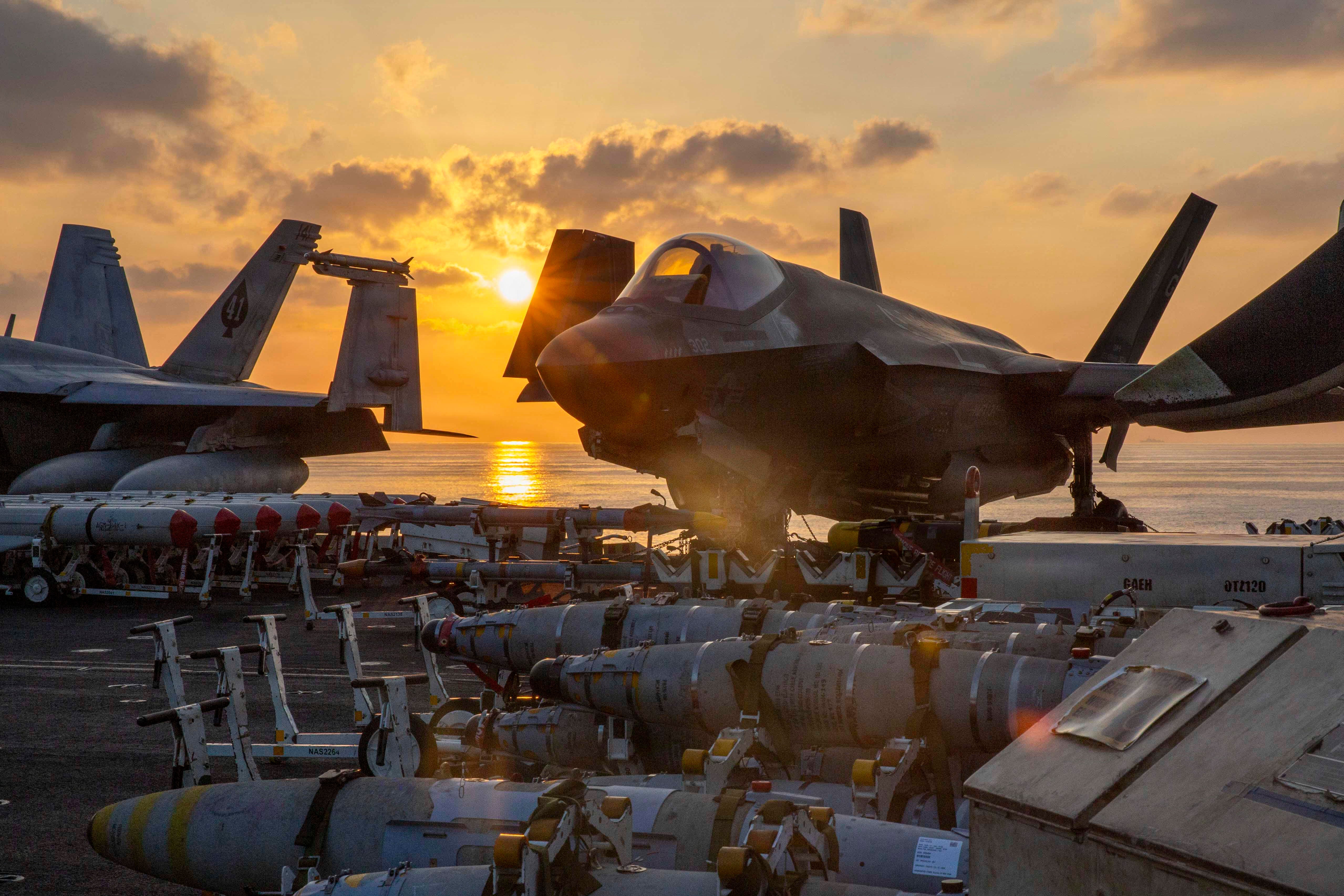
Pentagon Watchdog Puts Iran War Under the Microscope
When the shooting stops, the paperwork becomes the battlefield. The Pentagon inspector general Iran war review is not just another bureaucratic exercise – it is a test of whether America’s national security machine can explain how a conflict escalated, how force was authorized, and whether military leaders gave civilian officials and Congress the full picture. For readers trying to understand what happens after high-risk military action, this is the moment to watch. A watchdog inquiry can expose weak intelligence, flawed targeting, legal shortcuts, or operational success that deserves clearer public understanding. Either way, the stakes are enormous: credibility, deterrence, civilian oversight, and the future rules for using U.S. power in the Middle East.
- The Pentagon’s
Inspector Generalreview could examine intelligence, targeting, command decisions, and legal authorities tied to the Iran conflict. - Congress will likely use any findings to press for more transparency over war powers and military escalation.
- The review matters because watchdog reports often shape doctrine, budgets, promotions, and future rules of engagement.
- The central question is not only whether the operation worked, but whether the process behind it was sound.
Why the Pentagon Inspector General Iran War Review Matters
The Pentagon’s watchdog has a unique role: it is inside the defense establishment, but designed to challenge it. The Inspector General can request documents, interview officials, evaluate classified decision-making, and assess whether military operations followed law, policy, and internal standards. That makes this review potentially more consequential than a normal political hearing.
Iran-related military decisions are rarely simple. They involve intelligence from satellites, cyber collection, human sources, allied governments, naval assets, and regional command centers. They also involve legal questions around Article II authority, existing AUMF interpretations, Title 10 military operations, and sometimes Title 50 covert action boundaries. If any of those lines blurred during the conflict, the watchdog’s job is to say so.
Key insight: A Pentagon review is not only about blame. It is about whether the system produced disciplined decisions under pressure.
That distinction matters. A military action can be tactically successful and still reveal strategic weaknesses. A strike package can hit its target while policymakers misunderstand second-order consequences. A commander can follow orders while the intelligence basis for those orders remains thin. The most serious watchdog reports do not merely ask, Did it work? They ask, Was it justified, lawful, proportional, and repeatable?
What Investigators Are Likely to Examine
A credible review of the Iran war would likely move through several layers of evidence. The first layer is intelligence. Investigators may examine how threat assessments were produced, whether dissenting views were elevated, and how confident analysts were when judgments reached senior officials. This is where phrases like high confidence, moderate confidence, and low confidence become politically explosive.
Intelligence and threat assessment
The most important question may be whether intelligence drove policy or whether policy pressure shaped intelligence. That is the classic danger in wartime decision-making. If analysts warned of imminent threats, investigators will want to know what evidence supported those warnings. If alternative assessments existed, they will want to know whether they reached the right desks.
Pro Tip: Watch for language in any eventual findings about analytic tradecraft. That phrase often signals whether intelligence professionals followed sourcing, confidence, and dissent procedures correctly.
Targeting and rules of engagement
The next layer is targeting. Modern U.S. operations rely on target development, collateral damage estimation, battle damage assessment, and rules of engagement. Those terms may sound sterile, but they define whether a strike is lawful and strategically defensible.
Investigators may ask whether targets were military in nature, whether civilian risk was properly calculated, whether commanders had updated intelligence, and whether post-strike assessments matched pre-strike assumptions. In an Iran conflict, this could include air defense systems, missile sites, naval assets, command nodes, proxy-linked infrastructure, or cyber-enabled targets.
Command responsibility and civilian control
The review may also evaluate how orders moved from civilian leadership to combatant commands. The chain of command is supposed to be clear: elected civilian leaders make strategic choices, uniformed leaders provide military options, and commanders execute lawful orders. But during fast-moving crises, informal channels and compressed timelines can create ambiguity.
That is where records matter: meeting notes, legal memos, operational orders, secure communications, and after-action review materials. Investigators will likely look for whether the decision trail is complete or whether major choices happened through undocumented conversations.
The Politics Behind the Pentagon Inspector General Iran War Inquiry
The Pentagon inspector general Iran war inquiry lands in a political environment where war powers are already contested. Congress has spent decades watching presidents from both parties expand the use of force without formal declarations of war. Iran is especially sensitive because it sits at the intersection of nuclear policy, regional alliances, energy markets, maritime security, and U.S. domestic politics.
For lawmakers, the watchdog review could become leverage. If the report finds gaps, Congress may push new reporting requirements, funding restrictions, or revisions to war powers procedures. If the report validates the Pentagon’s process, the administration may use it to argue that the operation was disciplined and legally grounded.
Either outcome will matter for the next crisis. Washington’s debate over Iran is never only about Iran. It is about how much freedom presidents should have to initiate hostilities, how quickly Congress must be informed, and whether classified evidence should be trusted when public evidence is limited.
Editorial view: The public should be skeptical of both reflexive defense and reflexive condemnation. The right standard is evidence: what leaders knew, when they knew it, and how honestly they presented it.
Why This Could Reshape Future Military Operations
Watchdog findings can ripple far beyond one conflict. A sharp report can change training, intelligence protocols, targeting approvals, legal review requirements, and congressional notification practices. It can also affect careers inside the Pentagon. Senior officials may not face public discipline, but critical findings can influence promotions, assignments, and reputations.
The operational lessons could be even broader. If the review identifies weaknesses in ISR collection, the Pentagon may argue for more drones, satellites, sensors, and data-processing tools. If the problem was legal ambiguity, expect more lawyers in the decision loop. If the issue was escalation management, planners may revisit how they model Iranian retaliation, proxy activity, and regional base vulnerability.
Cyber operations could also receive scrutiny. Any modern Iran conflict likely includes digital components: network disruption, defensive hardening, intelligence collection, and information operations. The watchdog may not reveal sensitive details publicly, but even a limited discussion of cyber operations oversight could influence how future hybrid conflicts are managed.
The Public Transparency Problem
The hardest part of any Pentagon review is classification. The most important evidence is often locked behind secure doors. That creates a frustrating bargain for the public: trust the watchdog process, but accept that the full record may never be released.
Still, transparency is not all or nothing. A useful public summary can explain the scope of the review, the standards used, whether investigators found procedural failures, and what reforms were recommended. Redactions may be necessary, but vague conclusions are not. If the government wants public trust, it must provide enough detail to prove that the review was more than institutional self-protection.
What readers should watch next
- Whether the review focuses narrowly on one episode or broadly on the conflict’s planning and execution.
- Whether investigators evaluate legal authorities, not just battlefield performance.
- Whether Congress receives a classified briefing before public findings appear.
- Whether the Pentagon accepts recommendations or disputes the watchdog’s conclusions.
- Whether the final report includes reforms with deadlines, owners, and measurable benchmarks.
The Bottom Line
The Pentagon watchdog’s scrutiny of the Iran war is a pivotal accountability test. It could confirm that military leaders acted with rigor under extraordinary pressure. It could also reveal that intelligence, law, and strategy were stretched to fit a desired outcome. Either way, the review deserves close attention because it will help define the next version of American military power.
The most important question is not whether Washington can fight. It clearly can. The question is whether Washington can explain, audit, and improve the way it fights when the target is a major regional adversary and the consequences could reach far beyond the battlefield.
The information provided in this article is for general informational purposes only. While we strive for accuracy, we make no guarantees about the completeness or reliability of the content. Always verify important information through official or multiple sources before making decisions.