South Africa Truth and Reconciliation Still Denies Justice
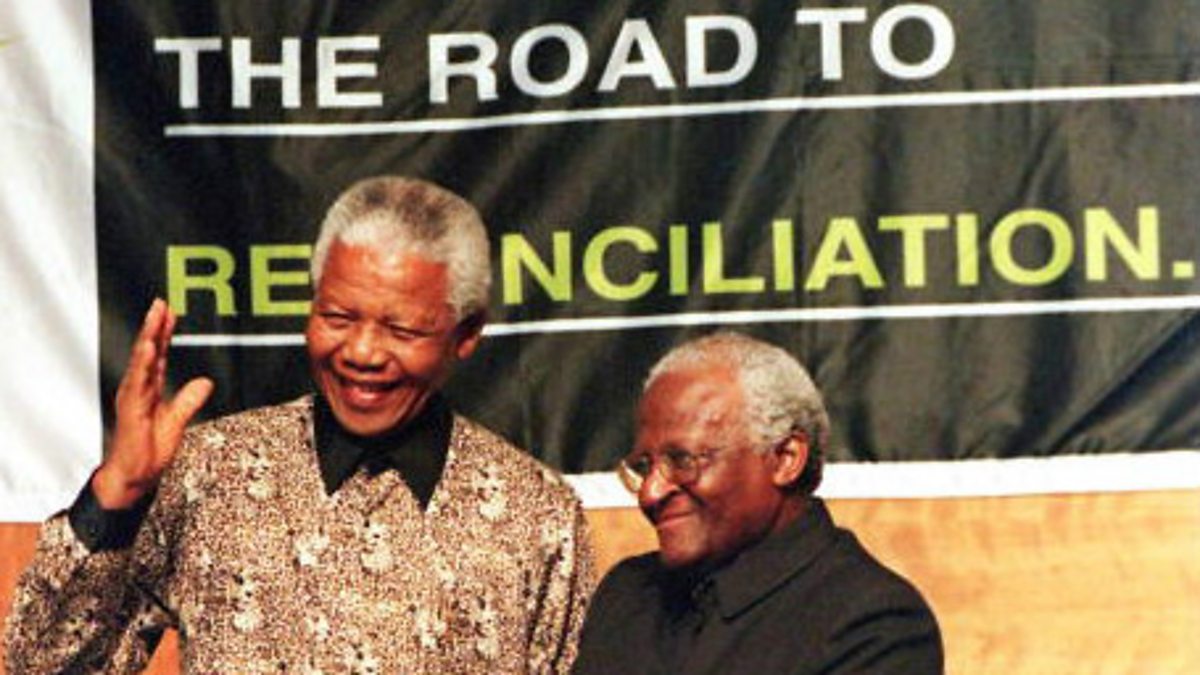
South Africa truth and reconciliation was supposed to solve a brutal paradox: how do you build a democratic future while the past is still bleeding into the present? Instead, it exposed the limits of moral theater. The truth was documented, survivors spoke, and the world applauded. But the harder work – prosecutions, reparations, and institutional repair – never landed with the same force. That gap matters because apartheid was not only a crime of violence, it was a system of extraction, bureaucracy, and delay. When justice moves slowly, power gets to rewrite the ending. The result is a national story that inspires admiration and frustration in equal measure, and a global warning that truth alone does not close a wound. The painful reality is simple: a democracy can inherit the language of reconciliation without inheriting its obligations.
TRCtestimony changed the historical record, but it did not complete accountability.- Reparations and prosecutions lagged, leaving many survivors with recognition but little material repair.
- The South Africa truth and reconciliation model shaped transitional justice worldwide, sometimes as branding more than substance.
- Real closure now depends on enforcement, archives, and institutional follow-through, not another round of ceremony.
South Africa truth and reconciliation was a breakthrough, not a finish line
The TRC was built on a bargain: tell the truth, receive the possibility of amnesty, and help the country move forward. That deal was radical in the 1990s because it broke the silence around state violence and gave victims a public stage that apartheid had denied them for generations. It also carried a hidden weakness. The commission could expose, narrate, and recommend, but it could not by itself compel the political system to punish, compensate, and reform at scale. That is why the South Africa truth and reconciliation legacy feels so contradictory. It did real historical work, yet it left the impression that truth could substitute for justice if the ceremony was moving enough. That lesson still echoes across transitional justice systems today, especially when governments prefer symbolism over sanctions.
Amnesty bought testimony, not closure
Amnesty was the mechanism that made testimony possible, but it also made accountability conditional. In practice, that meant the state traded certainty of punishment for the possibility of disclosure. For survivors, disclosure mattered. Hearing perpetrators name names and describe chains of command shattered the old architecture of denial. But the moral exchange was never symmetrical. A victim can gain truth and still lose the basic satisfaction of seeing a system held to account. That is the central flaw in every conversation about South Africa truth and reconciliation: it can be mistaken for a completed repair when it was always a negotiated opening. The public memory of the process often celebrates courage, which is deserved, while downplaying the fact that courage without consequences can become a luxury of the powerful. If the point of transitional justice is to rebuild legitimacy, then legitimacy cannot depend only on confession.
Reparations arrived slowly and unevenly
Reparations are where the moral story becomes a material one. They force a country to decide whether harm was merely acknowledged or actually answered. In South Africa, the gap between recognition and repair became painfully visible as years passed. Many survivors did not need another speech. They needed support, medical care, education, housing, and a clear signal that the democratic state understood the cost of what was taken from them. Instead, the public imagination often moved on faster than the administrative machinery did. That is how reconciliation can become a kind of rhetorical debt: always promised, never fully paid. Pro tip: when judging any truth process, ask whether it leads to prosecutions, compensation, and institutional reform. If it only produces testimony, the state is buying a narrative, not justice.
Truth commissions become dangerous when governments treat them as the end of conflict rather than the beginning of accountability.
Why the promise broke down
The breakdown was not a single betrayal. It was a chain of priorities. New leaders had to stabilize the state, reassure markets, and avoid reprisals. Police and prosecutors inherited old habits. Files moved slowly. Witnesses aged. Political capital moved elsewhere. Over time, delay became a policy. When a government signals that today’s stability matters more than yesterday’s crimes, perpetrators read the message correctly: wait. In that sense, South Africa truth and reconciliation became a case study in how transitional governments can be brave in public and cautious in private. The result is not just disappointment. It is a distortion of the democratic bargain, because citizens see that the state can tell the truth and still choose not to act on it.
Political bargains outran prosecutorial will
Post-apartheid politics had incentives to keep the coalition broad and the mood calm. That made sense for transition, but it also meant accountability became easy to defer. Prosecutors need mandates, resources, and political backing. Without those things, even a well-documented record can sit in a drawer while the people responsible age into impunity. The deeper issue is that justice was treated as something that might upset the transition rather than something that would secure it. That calculation is familiar across the world. Elites often tell themselves that punishment is too destabilizing, while victims are asked to be patient for the sake of national unity. But patience is not a policy. It is a delay tactic with better public relations.
Families have been asked to wait out history
Delay has a human cost that policy discussions often flatten. Families have to live with missing bodies, partial records, and unanswered questions. They also have to watch the state praise itself for healing while they remain stuck in the middle of unresolved grief. The emotional insult is compounded by time. Older survivors are not abstract stakeholders. They are people whose health, memory, and financial security can be damaged by endless waiting. That is why justice delayed is not just justice denied. It is justice that teaches the living to expect less. Every year that passes without meaningful action narrows the gap between what a democracy owes its citizens and what it is willing to pay.
Justice delayed does not just frustrate victims. It teaches future officials that unfinished harm is politically survivable.
Why South Africa truth and reconciliation still matters
It would be easy to treat this as a uniquely South African disappointment, but that would miss the larger point. The country became the reference model for a generation of transitional justice thinking. Other societies copied the language of hearings, healing, and national memory. Some adopted commissions, archives, and public testimonies. Fewer built the follow-through. That is the real export: not the institution itself, but the temptation to believe that public truth is enough. South Africa truth and reconciliation remains important because it shows both the power and the ceiling of this model. It can break denial and change the historical record. It cannot, by itself, guarantee that institutions with power will discipline themselves. In that sense, the legacy is bigger than South Africa. It is a warning to any democracy trying to convert trauma into legitimacy without paying the full bill.
The global playbook still borrows the branding
Modern democracies love the optics of accountability. They like commissions because commissions look serious. They like hearings because hearings create the feeling of progress. They like emotional testimony because it travels well in clips and headlines. But branding is not enforcement. A state can produce moving rituals and still fail to change the incentives that enabled abuse in the first place. That is why the South African example keeps coming back in debates about post-conflict societies, civil war transitions, and authoritarian backsliding. It is proof that truth-telling matters, but also proof that the market for moral closure is full of shortcuts. The safest shortcut is to celebrate the process while forgetting to fund the outcome.
The real lesson is institutional, not theatrical
The strongest version of transitional justice is boring in exactly the right way. It relies on investigators, archivists, prosecutors, therapists, educators, and civil servants who keep working long after the cameras leave. It is slower than a televised hearing and less emotionally satisfying than a national apology, but it is also closer to what victims actually need. The lesson from South Africa truth and reconciliation is not that public truth is worthless. It is that public truth has to connect to institutions that can make harm costly. Without that connection, the state becomes very good at remembering and very bad at repairing.
Pro tip: If you want to know whether a reconciliation model is serious, check whether it can still produce action years later. Can it reopen files? Can it fund reparations? Can it force agencies to explain themselves? If the answer is no, then it may be historic, but it is not finished.
What justice would look like now
The answer is not another performance of remorse. It is systems that make delay expensive. South Africa does not need a grander script. It needs an operational one, with deadlines, budgets, and public accountability. That means doing the unglamorous work that every genuine transition requires: restoring records, tracing responsibility, and tying symbolic recognition to material repair. The point is not to relitigate the past forever. It is to stop treating the past like a matter for speeches only. For survivors, the clock is personal. For democracies, it is constitutional.
- Fully resourced investigative units that can pursue unresolved cases without political interference.
- Clear timelines for reparations, with payments and support that match the scale of harm.
- Public release of archival material so families can access the historical record without gatekeeping.
- Education and memorial work linked to accountability, not used as a substitute for it.
The hard lesson of South Africa truth and reconciliation is that truth is indispensable, but truth without enforcement is only a partial victory. The world still needs the example, but it needs the warning more. If a society wants to heal, it must stop asking victims to carry the cost of national patience. Real reconciliation is not the art of feeling better about the past. It is the discipline of making sure the past cannot keep reproducing itself through neglect.
The information provided in this article is for general informational purposes only. While we strive for accuracy, we make no guarantees about the completeness or reliability of the content. Always verify important information through official or multiple sources before making decisions.