Red Crescent Warehouse Attack Shakes Iran Relief Corridor
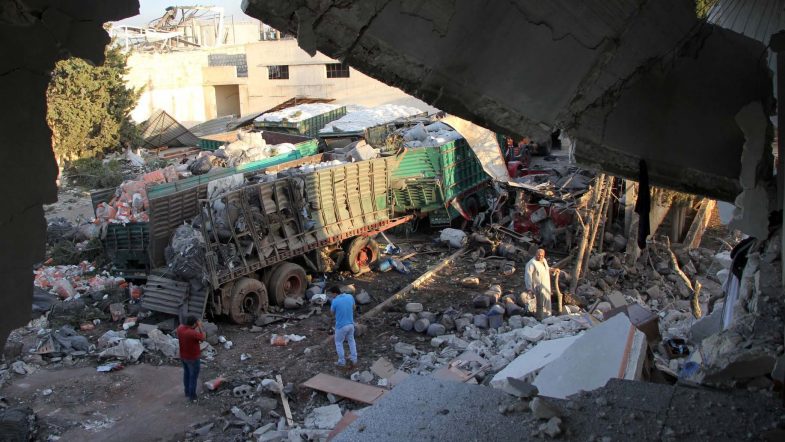
The Red Crescent warehouse attack in southwest Iran jolts a region already stretched thin by sanctions, border tensions, and opaque power plays. Relief corridors are supposed to be neutral ground; when a supply hub goes dark, villagers lose food, medics lose gauze, and trust in international norms evaporates. This strike is more than a local tragedy – it is a stress test for how Iran protects humanitarian logistics and how global actors treat relief infrastructure when geopolitical rivalries turn kinetic. The assault exposes brittle security around aid depots, raises fresh questions about targeting decisions, and forces a reckoning on whether humanitarian neutrality still shields convoys and warehouses. It is a wake-up call for governments and NGOs that have assumed their logos function as armor.
- Humanitarian logistics face direct threats despite neutrality norms.
- Red Crescent warehouse attack highlights security gaps in Iran’s relief chain.
- Regional escalation risks turning aid depots into leverage points.
- NGOs need hardened protocols and transparent incident reporting.
Red Crescent warehouse attack exposes fragile relief lifelines
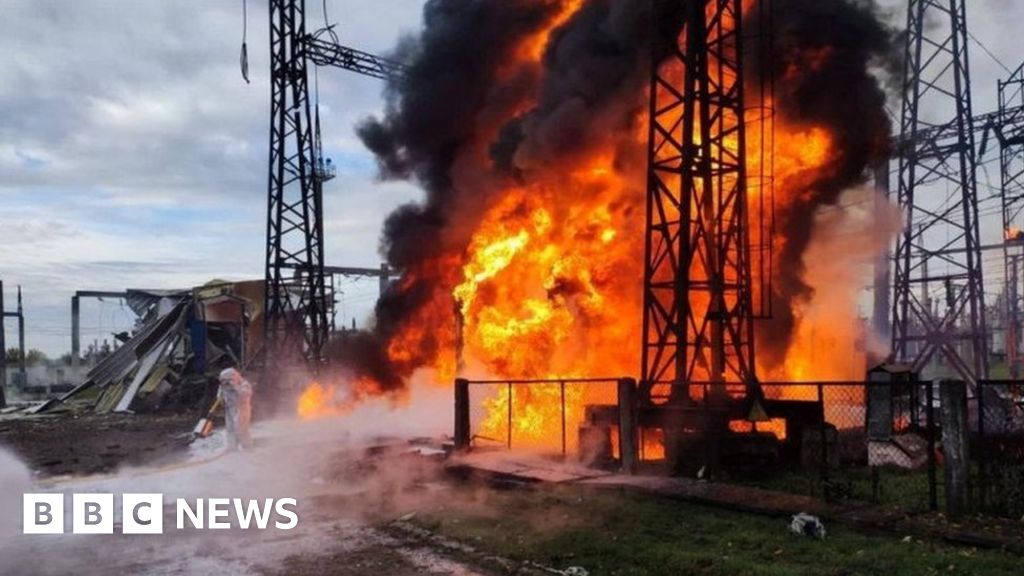
The strike on the Red Crescent warehouse removes a critical node from the supply web feeding southwest Iran. Each crate stored there represented insulin, trauma kits, and water purification tablets destined for rural clinics. When those supplies burn, the loss is counted not just in inventory but in hours of delayed care. Iran’s relief architecture relies on a tight choreography of warehousing, cold chain custody, and last-mile volunteers. Interrupt that choreography and the entire rhythm collapses. Even if the physical damage is contained, the reputational hit means drivers will hesitate, insurers will balk, and communities will stockpile out of fear, creating artificial scarcity.
Attacking a warehouse is not collateral damage; it is an attack on the right to receive medical care and clean water.
Investigators will look for blast signatures, trajectory data, and radar traces to establish accountability. Yet even a definitive attribution cannot undo the immediate operational chaos. Relief managers now must re-route convoys, find temporary storage, and renegotiate security guarantees with local authorities. Each workaround introduces new vulnerabilities – longer routes through insecure terrain, pop-up depots without proper temperature control, and ad-hoc staffing with limited vetting.
MainKeyword-driven accountability and deterrence
Embedding the phrase Red Crescent warehouse attack in official communiques is not cosmetic; it shapes narrative gravity. Naming the incident precisely forces policymakers and militaries to confront humanitarian law obligations. The Geneva Conventions are clear: relief facilities marked with protective emblems are off-limits. If the strike was intentional, it is a violation that demands censure. If accidental, it signals flawed targeting intelligence or inadequate no-strike lists. Either way, transparency is non-negotiable. Hiding behind vague language only erodes credibility and fuels conspiracy theories that weaponize civilian fear.
The call for deterrence must move from rhetoric to practice. Satellite monitoring of aid sites, mandatory deconfliction hotlines, and encrypted location sharing can reduce ambiguity. But these tools require trust. Iran needs to invite neutral observers to audit site markings and coordinate with neighboring states to keep relief corridors insulated from proxy skirmishes. Without that cooperation, every warehouse becomes a bargaining chip in a shadow conflict.
Security gaps that turned a warehouse into a soft target
Warehouses are static, predictable, and often lightly guarded, making them attractive targets for actors seeking symbolic disruption. The attacked site reportedly handled both food and medical supplies, creating a single point of failure. That violates a core principle of resilient logistics: avoid concentration risk. Segmenting inventories across multiple dispersed sites raises cost but limits blast radius. The incident also highlights uneven integration between civilian relief operators and security forces. If patrols lack real-time maps of aid facilities or if communication lines falter, the protective bubble vanishes.
Physical hardening – blast walls, surveillance cameras, and tamper alarms – matters, but so do procedural safeguards. Strict access controls using RFID tags, background checks for contractors, and encrypted manifests can deter sabotage and theft. Regular red-team drills would reveal how quickly staff can move stock under threat. After this strike, expect insurers to demand documented risk assessments before underwriting fleets or warehouses in volatile provinces.
Operational ripple effects on clinics and field teams
The immediate casualty count tells only part of the story. Rural clinics now face resupply gaps that could last weeks. Cold chain items risk spoilage if moved to improvised storage. Volunteer networks that depend on predictable drop-offs will scramble to fill shelves, and patients will travel farther for basic care, increasing mortality during emergencies. This domino effect is why humanitarian sites are protected under international law: the humanitarian cost outstrips the tactical gain.
For field teams, morale is fragile. When a marked facility is hit, staff wonder whether their emblem still offers any shield. Recruitment slows, training classes shrink, and experienced logisticians reconsider deployments. That brain drain is an invisible but devastating cost that persists long after debris is cleared.
Regional tensions and information fog
Southwest Iran sits near sensitive borders and energy infrastructure. Each skirmish risks drawing in state and non-state actors with competing agendas. In that fog, misinformation spreads quickly. Claims that the site housed dual-use materials will circulate, muddying public opinion. The absence of rapid, verifiable reporting from independent monitors leaves a vacuum that hostile narratives will fill. Iran and its partners should release telemetry data, damage assessments, and chain-of-custody details for munitions fragments to counter disinformation.
Meanwhile, regional rivals may frame the attack as evidence of Iran’s vulnerability, encouraging further probes. Conversely, Tehran may tighten security around aid infrastructure in ways that hinder NGO access or delay customs clearance for imported relief goods. Both responses harm civilians. A better approach is joint incident review panels with participation from neutral humanitarian bodies. That creates a shared fact base and lowers escalation risk.
International law and the edge of impunity
International humanitarian law is only as strong as enforcement. If the perpetrators face no consequence, the signal to other actors is clear: aid logos are optional targets. Multilateral bodies must be willing to censure, sanction, or prosecute based on evidence. Documentation should include geospatial coordinates, munition type, and site markings at the time of impact. Digital forensics from mobile phones and security cameras can corroborate timelines. Without a firm response, the Red Crescent warehouse attack becomes a template rather than a cautionary tale.
Strategic recommendations and pro tips for NGOs
Relief agencies operating in contested environments should treat this incident as a playbook update. Diversify storage locations, encrypt inventory ledgers, and establish redundant communication nodes to keep dispatch running under duress. Rotate convoys to avoid predictable schedules. Use mesh networks or satellite messengers to maintain situational awareness when cellular coverage is disrupted after a strike.
Another critical step: transparent incident logging. Publish sanitized after-action reports detailing attack vectors, response times, and mitigation outcomes. This not only aids peer agencies but also builds a case for accountability. Train staff on crisis media handling so rumors do not fill the silence before facts emerge.
Pro tip: keep a pre-packed relocation kit with barcode scanners, handheld cold boxes, and printed contact trees to re-establish a minimal warehouse footprint within 12 hours.
Finally, invest in community engagement. Local residents often provide the fastest alerts when they notice drones, unusual troop movements, or blocked roads. Building trust through regular briefings and fair employment practices turns communities into early warning sensors, reducing surprise and improving convoy safety.
Why this matters beyond Iran
The implications of the Red Crescent warehouse attack extend well past provincial borders. Global supply chains are brittle everywhere, from Sahel food depots to Southeast Asian typhoon shelters. If a major humanitarian brand can be hit without swift consequence, copycat strikes become more likely. Insurance premiums will rise, donor confidence may wobble, and aid organizations will divert funds from services to security. That shift means fewer vaccines, fewer mental health programs, and fewer water systems funded.
For governments, the incident underscores the need to firewall humanitarian assets from military calculations. Intelligence agencies should maintain curated protected sites lists shared across commands. Militaries must update rules of engagement to include real-time cross-checks before firing near marked facilities. Diplomatic channels should treat harm to relief infrastructure as a red line that triggers immediate de-escalation talks.
Future outlook and the cost of inaction
If stakeholders treat this as a one-off tragedy, nothing changes. If they treat it as the spark for systemic reform, supply chains can emerge stronger. Expect investments in hardened modular warehouses, drone-based perimeter surveillance, and blockchain-verified manifests to trace aid flows. The conversation will likely expand to include cyber protections, as attackers may pivot to digital sabotage when physical strikes draw condemnation.
Failure to act invites normalization. Once aid sites become fair game, humanitarian corridors become mirages. The people most at risk are those already displaced, ill, or impoverished. Their survival should not hinge on whether a warehouse was considered politically convenient to bomb.
Editorial stance: neutrality is not armor
Neutrality remains the moral north star for humanitarian work, but it is not a force field. The Red Crescent warehouse attack proves that logos do not deter munitions. The aid sector must evolve: tougher security, sharper transparency, and louder demands for accountability. Governments must decide whether they will uphold or erode the rules that keep civilians alive. The verdict from this incident will echo across every conflict zone where a convoy rolls out at dawn hoping the emblem on its doors still means something.
The information provided in this article is for general informational purposes only. While we strive for accuracy, we make no guarantees about the completeness or reliability of the content. Always verify important information through official or multiple sources before making decisions.