Rick Wakeman Boosts Vietnam Bear Sanctuary
Rick Wakeman Boosts Vietnam Bear Sanctuary
The fight to end bear bile farming is no longer a quiet conservation niche. It is a test of whether celebrity attention, public pressure, and long-term animal welfare can actually dismantle a cruel industry. The latest spotlight on the Vietnam bear sanctuary movement comes with an unexpected cultural amplifier: Rick Wakeman, the legendary keyboardist associated with Yes, whose support for rescued moon bears reframes the story from a sad wildlife tragedy into a sharper question about responsibility. What happens after an animal is saved? Who pays for decades of care? And can a sanctuary become more than a rescue site: a model for how countries move beyond exploitation without pretending the past did not happen?
- Rick Wakeman’s involvement gives the Vietnam bear sanctuary cause a high-profile boost beyond traditional conservation circles.
Moon bearsrescued frombear bile farmingrequire lifelong care, not a quick rehabilitation cycle.- Vietnam’s shift reflects a broader regional move away from captive bile extraction and toward enforcement, education, and sanctuary care.
- Ethical tourism can help fund sanctuary work, but only when animal welfare stays ahead of visitor experience.
Why The Vietnam Bear Sanctuary Story Hits Harder Now
The image is almost cinematic: a progressive-rock icon lending his name and energy to a sanctuary for bears once trapped in cages and exploited for bile. But the emotional pull should not distract from the bigger machinery underneath. Bear bile farming is not merely a relic of another era. It is a supply chain, a belief system, a law-enforcement challenge, and a welfare emergency rolled into one.
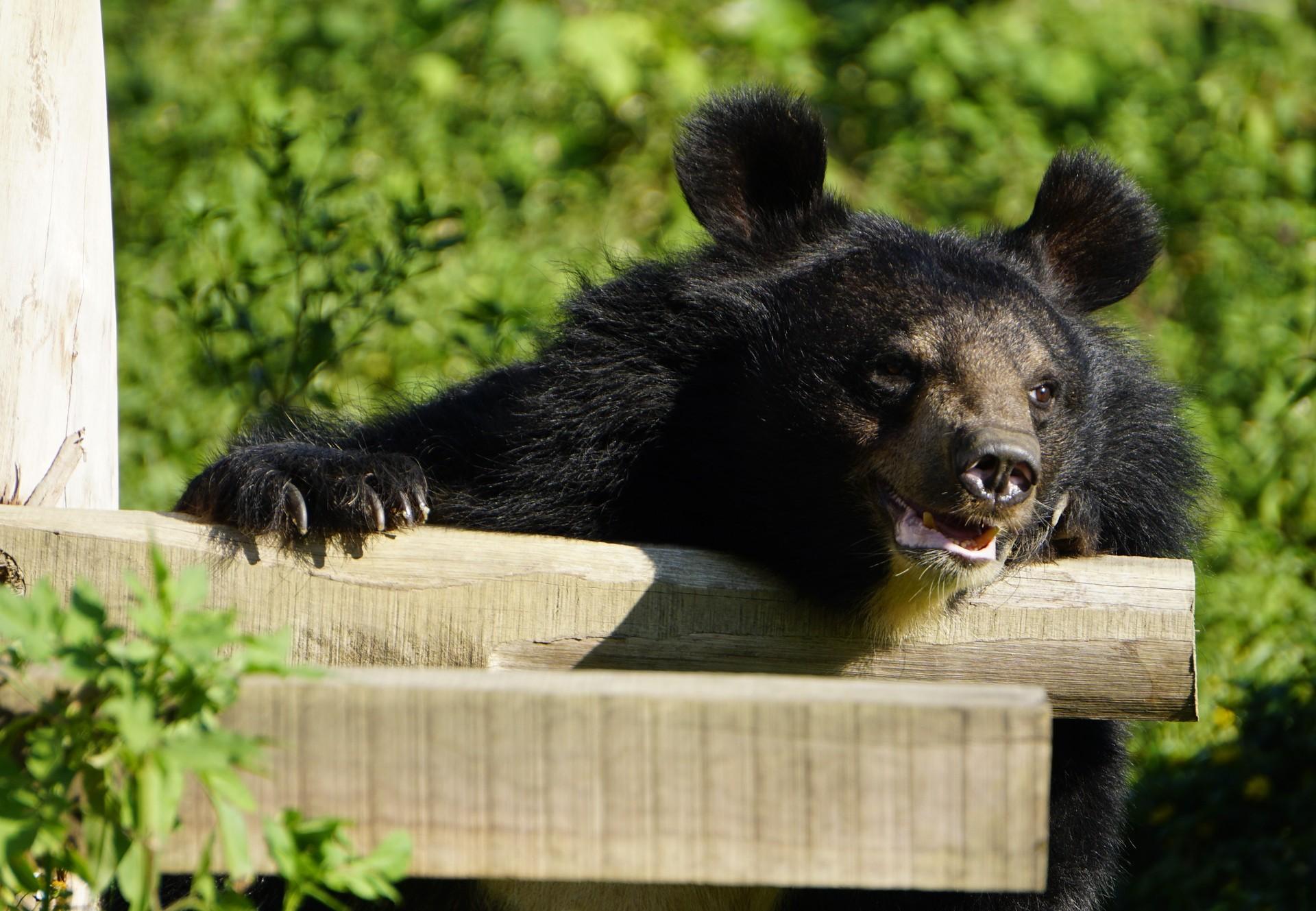
For years, conservation groups have worked to close farms where bears were kept in cramped conditions and subjected to repeated bile extraction. The bears involved are often Asiatic black bears, commonly known as moon bears because of the pale crescent marking on their chests. Many arrive at sanctuaries with damaged teeth, injured paws, chronic pain, poor muscle tone, and deep psychological stress.
The real conservation victory is not the rescue photo. It is the unglamorous promise that an animal who was used for profit will never be used again.
That is why the Vietnam bear sanctuary model matters. It is not designed around a feel-good release into the wild, because many rescued bears cannot safely return to natural habitats. Instead, it creates a permanent welfare environment: veterinary care, species-appropriate enclosures, nutrition, enrichment, and behavioral rehabilitation.
Vietnam Bear Sanctuary Work Is About More Than Rescue
A sanctuary is often misunderstood as a finish line. In reality, it is the beginning of an expensive, complex, and deeply technical chapter. A rescued bear may live for many years after being removed from a bile farm. That means every rescue creates a long-term obligation involving veterinary teams, keepers, food systems, quarantine areas, and emergency care.
This is where celebrity support can be genuinely useful. Wakeman’s involvement does not replace policy, funding, or enforcement. But it can widen the audience. People who might scroll past a conservation appeal may stop when a familiar artist is attached. That attention can translate into donations, pressure, and cultural legitimacy.
The Limits Of Celebrity Conservation
Celebrity advocacy can also be shallow if it turns suffering into branding. The strongest campaigns avoid that trap by keeping the animals and the local conservation infrastructure at the center. Wakeman’s role is powerful precisely because it points outward: toward the sanctuary, the bears, and the people doing the daily labor.
That distinction matters. Conservation is full of dramatic before-and-after narratives, but rescued bears do not heal on a social-media schedule. Some may take months to explore an enclosure. Others need repeated dental operations or careful management of chronic conditions. A serious sanctuary model is built around patience.
Why Moon Bears Became Symbols Of A Broken System
Moon bears are visually striking, intelligent, and emotionally expressive, which makes their suffering especially visible. But their symbolic power comes from something deeper: they expose the contradiction between tradition, commerce, and modern animal welfare expectations.
Bear bile has historically been used in some traditional medicine contexts. The active compound often discussed is ursodeoxycholic acid, or UDCA, which can be synthetically produced or sourced through non-cruel alternatives. That reality weakens the argument that bile farming is necessary. If alternatives exist, continued extraction becomes harder to defend as culture and easier to identify as commercial inertia.
- Animal welfare: Captivity and bile extraction cause severe physical and psychological harm.
- Public health: Informal wildlife trade and poorly regulated animal facilities can create broader risk environments.
- Law enforcement: Closing farms requires tracking, inspections, owner cooperation, and clear penalties.
- Consumer behavior: Demand reduction is just as important as rescue capacity.
The Opinionated Take: Sanctuaries Should Not Be The Backup Plan
Here is the uncomfortable truth: sanctuaries are often forced to solve problems created by weak regulation, slow enforcement, and consumer demand. They become the moral emergency room after years of harm. That does not make sanctuary work less noble. It makes it more urgent to prevent the next generation of animals from needing rescue in the first place.
A world that celebrates rescue while tolerating the pipeline that creates victims is not compassionate. It is just managing damage.
The Vietnam bear sanctuary effort deserves attention because it sits at the intersection of care and prevention. The best outcome is not simply more sanctuary capacity. It is fewer bears entering captivity, fewer buyers seeking bile products, and stronger systems that make exploitation legally and socially unacceptable.
Pro Tip For Ethical Travelers
If you visit any wildlife facility, ask a simple question: does the experience prioritize the animal’s needs or the visitor’s photo? Ethical sanctuaries restrict direct contact, avoid performances, and explain why rescued animals may never return to the wild. If a facility offers cuddling, tricks, forced interactions, or guaranteed close encounters, treat that as a warning sign.
Responsible wildlife tourism should feel less like entertainment and more like education. The most credible sanctuaries are transparent about their finances, veterinary standards, rescue criteria, and limitations. They do not pretend every story has a perfect ending. They show the work.
What Rick Wakeman’s Support Changes
Wakeman’s backing gives the campaign a cultural bridge. Fans who know him for elaborate keyboard arrangements and rock history may now encounter the realities of bear bile farming. That matters because public opinion often changes through unexpected channels. Not everyone enters conservation through a scientific report. Some arrive through music, film, travel, or a single story that refuses to leave them alone.
For advocacy groups, this kind of attention can create a funding spike, but the smarter play is retention. The goal is to turn a moment of awareness into sustained support. That means inviting people to understand the monthly cost of food, the price of surgery, the need for trained staff, and the importance of habitat-like enclosures.
The Future Of Vietnam Bear Sanctuary Conservation
The next phase will be defined by endurance. Vietnam has made meaningful progress in moving away from bear bile farming, but the remaining challenge is implementation at ground level. Authorities, conservation groups, veterinarians, educators, and communities all have roles to play.
The future also depends on storytelling that does not flatten the issue. This is not a simplistic battle between modern values and traditional culture. It is a transition away from a harmful practice toward humane alternatives, better enforcement, and public education. The most durable change happens when people are given a path to abandon cruelty without feeling erased or humiliated.
That is why the Vietnam bear sanctuary story is bigger than one musician and one facility. It is a case study in how animal welfare movements win: through law, logistics, public emotion, and relentless care. Wakeman may bring the spotlight, but the bears require something harder to deliver: a lifetime of quiet competence.
If that message lands, the real legacy will not be a celebrity endorsement. It will be a country moving closer to the day when no moon bear needs rescuing from a cage built for profit.
The information provided in this article is for general informational purposes only. While we strive for accuracy, we make no guarantees about the completeness or reliability of the content. Always verify important information through official or multiple sources before making decisions.