September 11 Anniversary Tests America
September 11 Anniversary Tests America
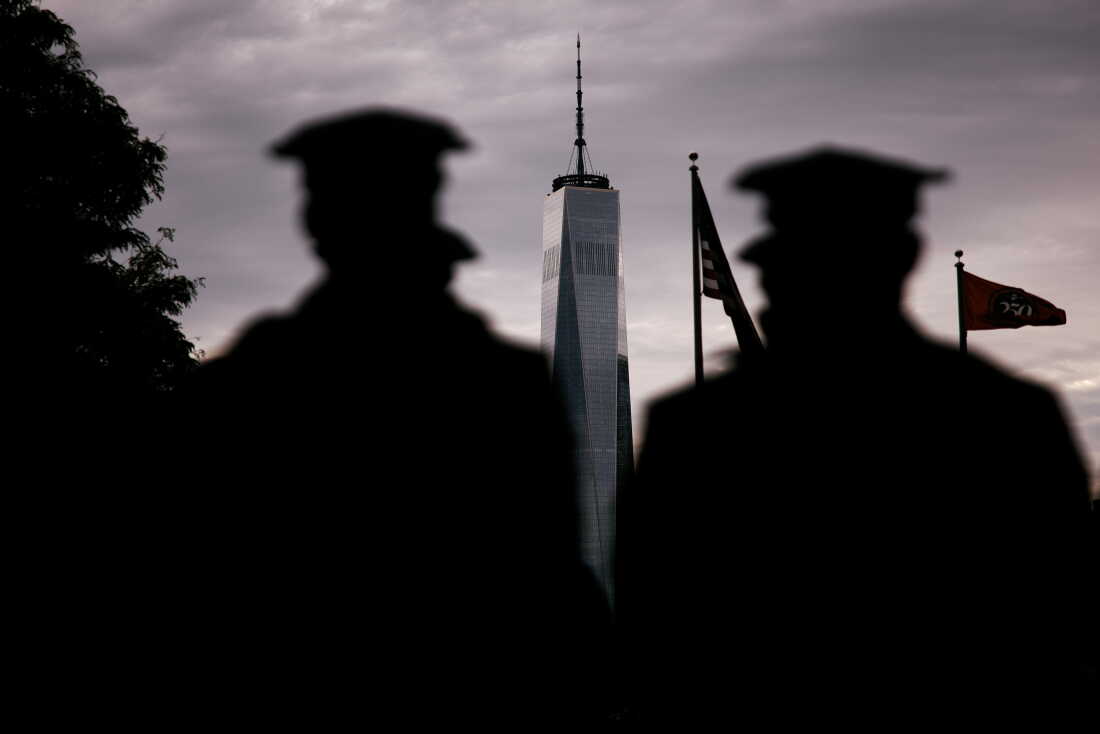
The September 11 anniversary is no longer just a national day of mourning. Twenty-five years after the attacks, it has become a stress test for American memory, political leadership, public trust, and the country’s ability to honor loss without turning grief into a campaign prop. The ceremonies at the World Trade Center, the Pentagon, and the Flight 93 memorial still carry the same unbearable center: names read aloud, families gathered, silence observed. But the backdrop has changed. A polarized America now watches every gesture from public officials for sincerity, symbolism, and strategy. That tension is the story. The memorials ask a simple question that gets harder every year: can a divided country still share one sacred civic ritual?
- The September 11 anniversary remains one of America’s most powerful public rituals, anchored by families, first responders, and survivors.
- Political leaders face a narrow path: show up, speak carefully, and avoid making commemoration feel partisan.
- The 25-year milestone sharpens questions about memory, especially for Americans born after the attacks.
- Security, foreign policy, and domestic unity remain inseparable from 9/11, even as the national conversation has evolved.
The September 11 anniversary is now about memory under pressure
Every major anniversary of 9/11 carries a familiar architecture. Bells mark the times when the planes struck. Families read the names. Public officials stand behind them, ideally as witnesses rather than protagonists. At the World Trade Center site, at the Pentagon, and in Pennsylvania, the rituals are intentionally repetitive because repetition is part of remembrance. It resists drift. It says that the dead are not a historical footnote.
But repetition does not mean stasis. The 25th anniversary arrives in a very different country from the one that gathered in shock in 2001. A generation has grown up with 9/11 as inherited history, not lived experience. The wars launched in its aftermath have receded from daily headlines but not from veterans’ bodies, intelligence budgets, airport security lines, or the moral debates around surveillance and intervention.
Key insight: The central challenge of the September 11 anniversary is not whether America remembers. It is whether America remembers honestly.
That honesty requires holding multiple truths at once. The attacks were a mass murder of civilians. The bravery of firefighters, police officers, service members, medical workers, and ordinary passengers remains staggering. The trauma reshaped national life. And the policies that followed, from war-making to domestic security expansion, still deserve scrutiny. Mature remembrance can handle that complexity.
Politics keeps crowding the memorial space
There is no way to remove politics from a national memorial, especially one tied so deeply to war, security, immigration, emergency response, and presidential power. But there is a difference between politics being present and politics taking over.
When presidents, vice-presidents, governors, members of Congress, and candidates attend 9/11 ceremonies, they enter a space that does not belong to them. It belongs first to families who lost someone, survivors still carrying trauma, and responders whose health was permanently altered by exposure at Ground Zero. The best public officials understand the assignment: be visible, be respectful, be brief, and do not compete with the names.
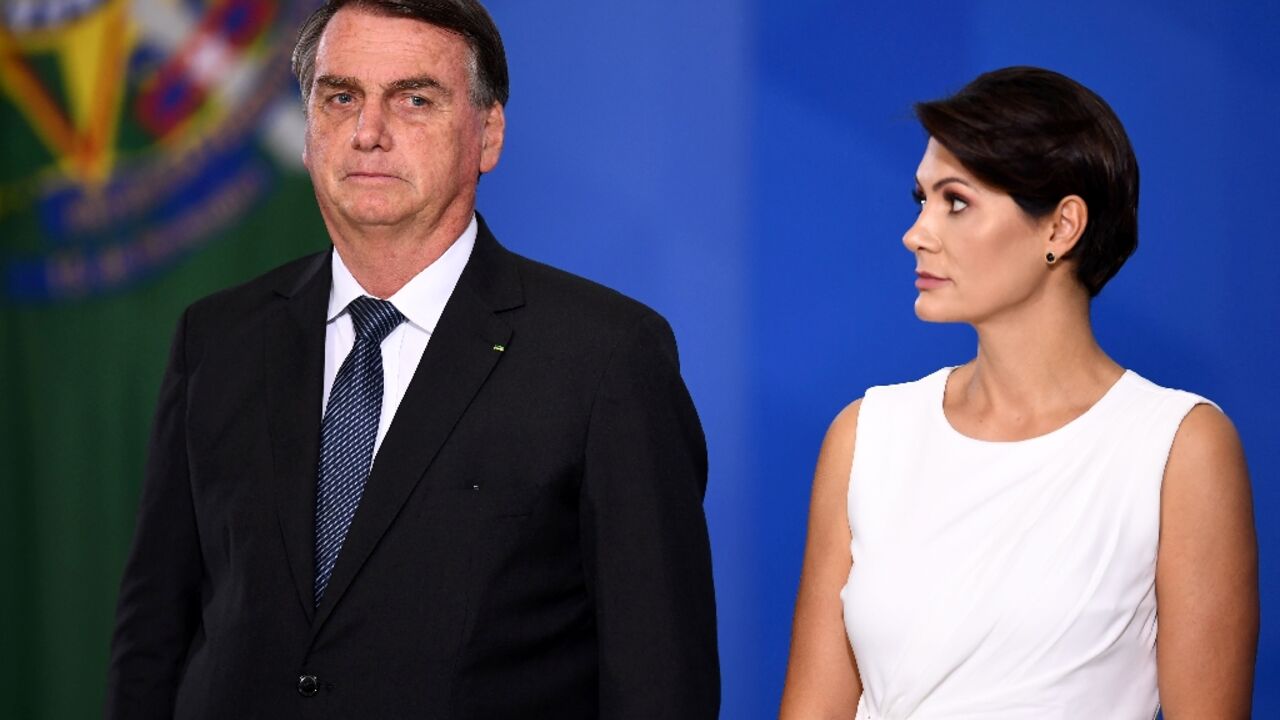
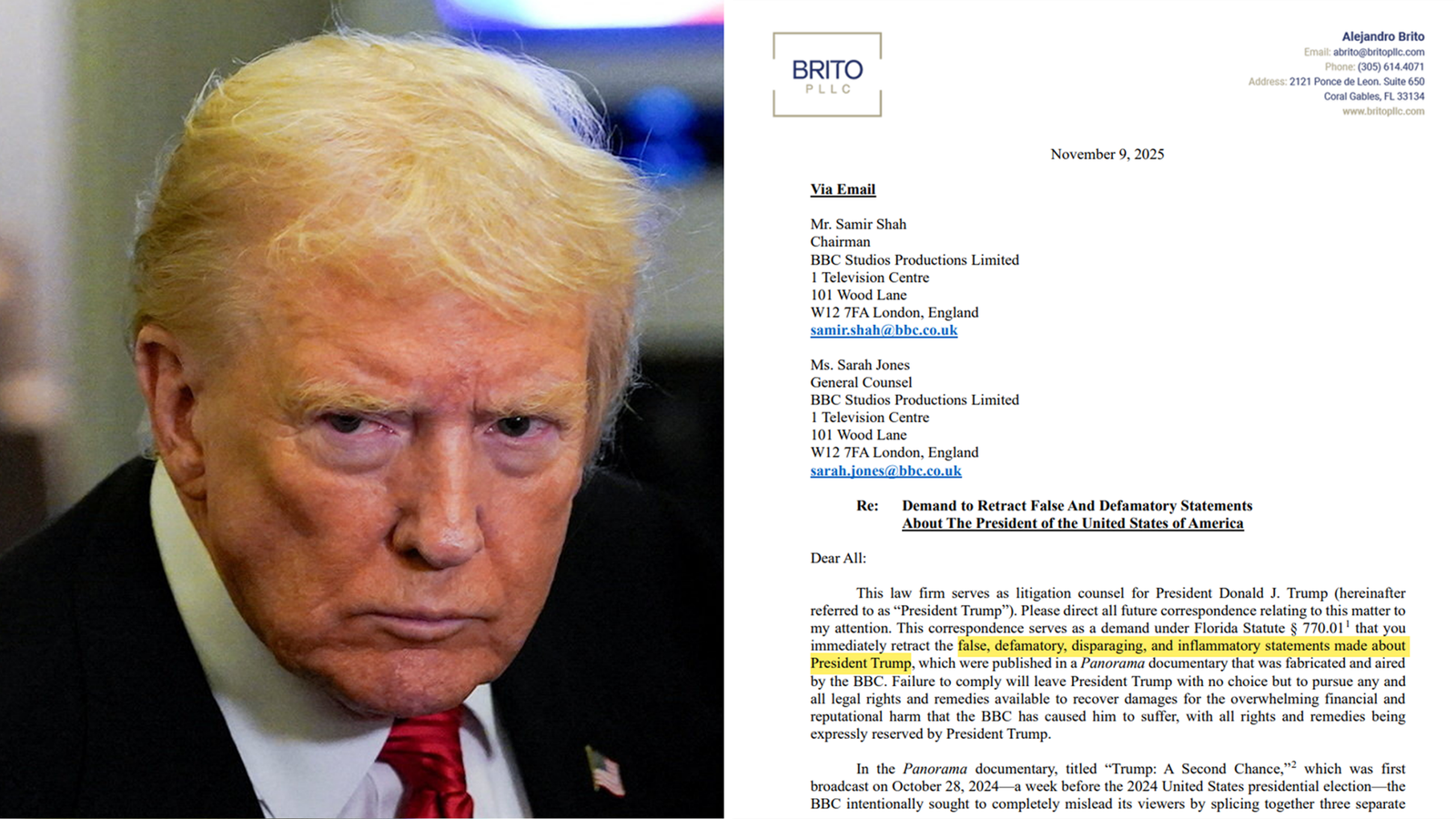
That standard matters even more in the Trump era, where almost every public moment is instantly reframed through partisan media, social platforms, and campaign logic. Donald Trump and JD Vance are not just individual political figures in this context. They represent a broader reality: today’s leaders operate in a media environment that rewards spectacle more reliably than restraint.
Editorial view: On 9/11, the most powerful political act is often refusing to perform politics at all.
That does not mean leaders should say nothing. It means they should say less, and say it with precision. The country does not need grandstanding on a day built around absence. It needs acknowledgment, steadiness, and a visible commitment to the people for whom the anniversary is not symbolic but personal.
Why the September 11 anniversary still shapes security culture
One reason the anniversary remains so charged is that 9/11 did not end as an event. It became infrastructure. The attacks reshaped the modern security state, from airport screening to intelligence coordination to emergency management. Terms such as homeland security, watchlist, threat assessment, and critical infrastructure moved from specialist vocabulary into mainstream public life.
For younger Americans, this security architecture can feel natural, almost invisible. Shoes off at the airport. Identification checks everywhere. Public alerts. Heavily secured events. Fusion centers. Digital monitoring. But these systems were built in response to a rupture. Remembering 9/11 responsibly means remembering that the policies that followed were choices, not inevitabilities.
The unresolved tradeoff between safety and liberty
The post-9/11 era expanded government power in ways many Americans accepted under extreme fear. Some tools improved coordination and preparedness. Others created lasting concerns about civil liberties, profiling, secrecy, and accountability. A serious anniversary conversation should not flatten that record into either hero worship or blanket condemnation.
Pro Tip for readers and civic leaders: Treat memorial days as moments to ask better questions, not just repeat familiar slogans. What did the country learn? Which promises were kept to survivors and responders? Which emergency powers became permanent? Which communities paid the highest social cost?
This is where the anniversary’s civic value lies. It can honor sacrifice while still demanding competence. It can defend national security while rejecting fear as a governing style.
The families remain the moral center
The most important voices on September 11 are not the most powerful people on the stage. They are the relatives who still speak names into public air. That ritual is devastating because it refuses abstraction. Nearly 3,000 people were killed, but the ceremony insists on the individual: a parent, a sibling, a spouse, a child, a colleague, a friend.
This is why the reading of names remains more powerful than almost any speech. Names resist political compression. They do not fit neatly into campaign messaging, foreign policy doctrine, or television framing. They restore scale by restoring specificity.
The same is true for first responders and recovery workers. The anniversary is inseparable from the long aftermath of illness, disability, grief, and bureaucratic fights for health coverage. The country’s obligation did not end when the smoke cleared. It continues through medical care, survivor support, and honest accounting of exposure risks.
Why this matters: A nation proves what it remembers by how it treats the living witnesses after the cameras leave.
A 25-year milestone changes the audience
The 25th anniversary is a hinge moment because a large share of the public has no direct memory of the attacks. For students, young workers, and even younger service members, 9/11 is history learned through videos, textbooks, family stories, museum exhibits, and political references. That shift is natural, but it creates a risk: memory can harden into mythology.
Mythology simplifies. It removes confusion, fear, error, disagreement, and consequence. History does the opposite. It preserves the human texture: the frantic calls, the dust-covered streets, the military decisions, the intelligence failures, the unity, the suspicion, the patriotism, the prejudice, the courage, and the grief.
Teaching 9/11 without turning it into a slogan
Educators, journalists, museums, and public officials now carry a heavier burden. They must explain not only what happened, but why it mattered and how its aftermath shaped the present. That includes the invasions of Afghanistan and Iraq, the rise of the Department of Homeland Security, the treatment of Muslim Americans and other communities targeted by suspicion, the evolution of counterterrorism, and the long fight for responder health benefits.
- Lead with human stories before policy analysis.
- Separate verified history from political branding.
- Include the aftermath, not only the day itself.
- Make space for grief and critique without treating them as opposites.
If the next generation inherits only the slogan Never Forget, it inherits too little. The real task is to remember with enough depth to resist manipulation.
The global meaning of September 11 has shifted
Although the ceremonies are American, the attacks and their aftermath were global. Citizens from many countries died. NATO invoked collective defense. Wars followed. International travel changed. Intelligence sharing intensified. The political vocabulary of terrorism, extremism, radicalization, and state power evolved across continents.
Today, the global context is different. Great-power competition, cyber threats, disinformation, regional wars, and domestic extremism compete with jihadist terrorism in the threat landscape. That does not make 9/11 less important. It makes it part of a broader security story in which threats mutate and institutions struggle to adapt.
For policymakers, the anniversary should be more than ceremonial. It should be a reminder that strategic overreaction can be as consequential as underreaction. The lesson is not isolation. It is discipline: define objectives, measure costs, protect civil liberties, and avoid letting trauma write open-ended policy.
What leaders should do next
The most credible way to honor the September 11 anniversary is not through bigger speeches. It is through follow-through. That means funding health programs for responders and survivors, maintaining memorial sites with dignity, supporting veterans of post-9/11 wars, improving emergency readiness, and teaching the history with seriousness.
It also means lowering the temperature on days of national mourning. The public is exhausted by politics that colonizes everything. A memorial should not feel like another front in the culture war. Leaders who understand that will earn more trust by showing restraint than by chasing dominance.
The standard is simple
Show up for the families. Protect the dignity of the ceremony. Tell the truth about the past. Support the people still living with the consequences. Resist the temptation to turn grief into content.
That is not too much to ask. It is the minimum a country owes to its dead, its survivors, and itself.
The anniversary still asks America who it wants to be
The September 11 anniversary endures because it sits at the intersection of pain and identity. It reminds Americans of vulnerability, courage, loss, unity, rage, sacrifice, and the danger of fear-driven politics. The ceremonies remain sacred not because they freeze the country in 2001, but because they force each new political era to answer for itself.
Twenty-five years later, the test is not whether the nation can stage a solemn ritual. It can. The harder test is whether it can protect that ritual from cynicism, use memory without abusing it, and honor the dead by caring for the living. That is the real measure of remembrance now.
The information provided in this article is for general informational purposes only. While we strive for accuracy, we make no guarantees about the completeness or reliability of the content. Always verify important information through official or multiple sources before making decisions.