South Africa Police Scandal Tests Trust
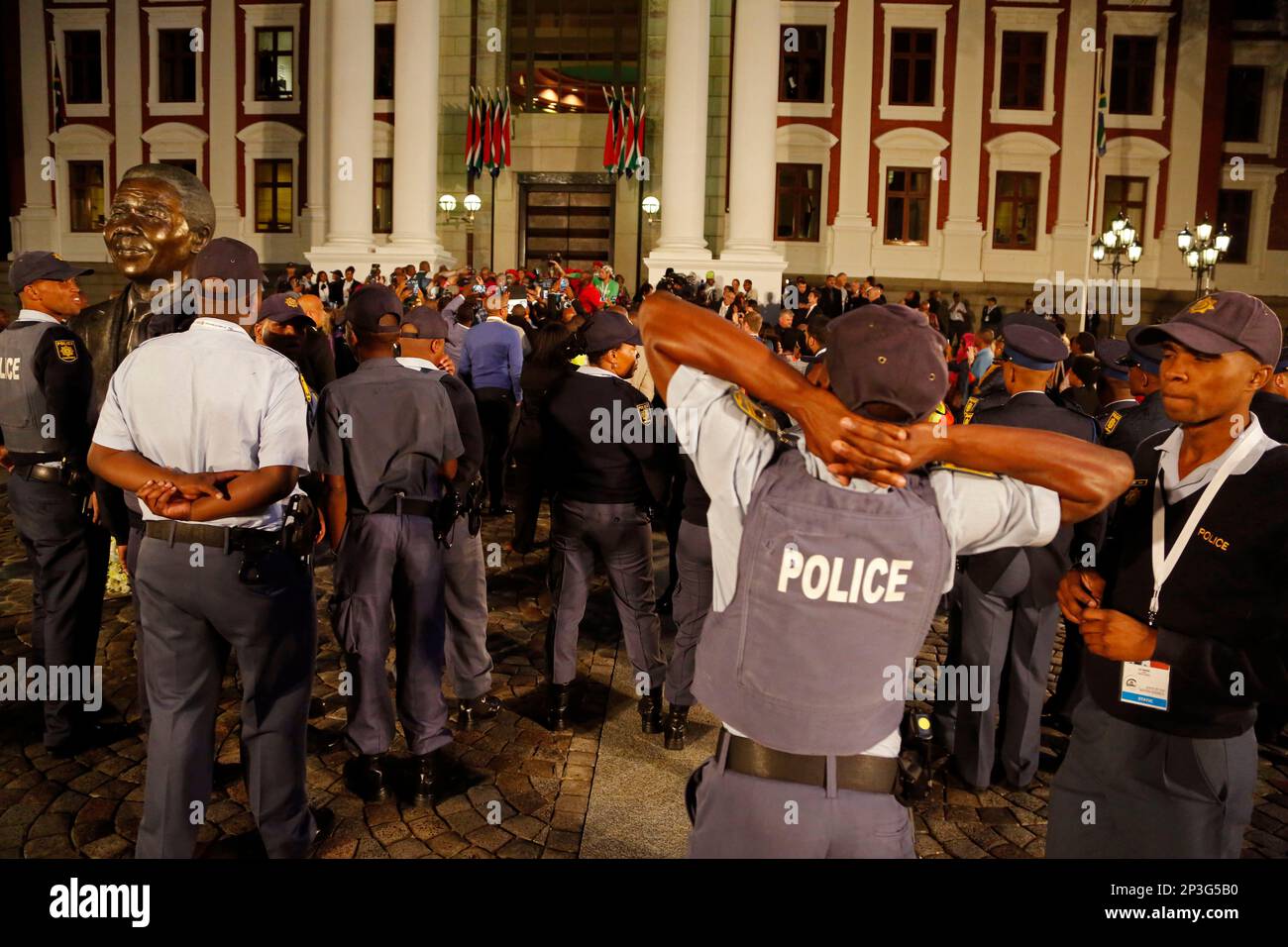
The South Africa police scandal surrounding senior officer Shadrack Sibiya has landed with the force of a national alarm bell. A top law enforcement figure facing charges of rape and grooming is not just another courtroom headline – it is a stress test for public trust, institutional discipline, and the credibility of policing itself. For citizens, the pain point is brutally simple: the people empowered to protect the vulnerable must not be shielded by rank, reputation, or bureaucracy. For the state, the challenge is even bigger. It must prove that accountability can reach the upper floors of power, not just the officers at street level. The case is now moving through legal channels, where the presumption of innocence matters. But the broader question is already public: can South Africa police itself when the accusation involves one of its own?
- Shadrack Sibiya has been charged with rape and grooming, raising urgent questions about accountability in South African policing.
- The case highlights the tension between due process and public trust, especially when senior officials are accused of serious crimes.
- Institutional response will matter as much as the court outcome, because credibility depends on transparency and independence.
- The scandal could accelerate calls for deeper police oversight, including better internal reporting systems and victim protection mechanisms.
The South Africa police scandal is bigger than one officer
It is tempting to treat a criminal charge against a high-ranking officer as a single legal event: an allegation, a court date, a prosecution, a defense. That framing is necessary, but incomplete. When the accused is a senior police figure, the story immediately becomes institutional. The public does not only ask whether one person committed a crime. It asks whether the system around that person enabled silence, delayed scrutiny, or discouraged victims from coming forward.
That is why the South Africa police scandal matters beyond its immediate facts. Police forces rely on legitimacy. Unlike most institutions, they carry the authority to detain, search, investigate, and use force. That authority is not sustained by uniforms or statutes alone. It depends on the belief that officers are subject to the same law they enforce.
When a senior law enforcement official is accused of sexual violence, the credibility test is not only in the courtroom. It is also in whether the institution acts with visible independence, speed, and care for complainants.
The case involving Shadrack Sibiya now sits at the intersection of criminal justice, politics, gender-based violence, and institutional reform. Each layer changes the stakes. South Africa has long faced intense public pressure over violent crime, corruption, and trust in public agencies. Against that backdrop, an allegation of this gravity involving a senior police officer becomes a referendum on whether accountability can survive hierarchy.
Due process and public outrage must coexist
There is a hard balance here, and serious coverage has to hold both sides at once. Charges are not convictions. Sibiya is entitled to the presumption of innocence, legal representation, and a fair process. That is not a technicality – it is the backbone of the rule of law.
But due process does not require institutional silence. Nor does it require the public to ignore the structural implications of the case. A police service can respect the rights of the accused while still taking steps to protect complainants, preserve evidence, prevent intimidation, and reassure the public that the investigation is not compromised by rank.
What responsible institutions should do now
- Separate the accused from operational influence where appropriate, especially if any role could affect witnesses, investigators, or records.
- Communicate clearly without prejudicing the case, giving the public procedural facts rather than spin.
- Protect complainants and witnesses from retaliation, exposure, or procedural harassment.
- Ensure independent investigative oversight, particularly where police personnel are central to the allegation.
- Document every step so that internal decisions can later withstand legal and public scrutiny.
This is the institutional discipline that separates accountability from public relations. A scandal becomes corrosive when leadership appears to manage optics instead of risk. The public does not need dramatic speeches. It needs credible process.
Why the South Africa police scandal cuts so deeply
Sexual violence cases already face enormous barriers: fear, stigma, slow procedures, uneven evidence collection, and public skepticism. When the accused person is connected to law enforcement, those barriers can multiply. Complainants may fear that the system is socially or professionally aligned against them. They may worry about being dismissed, exposed, or pressured into silence.
That fear is not abstract. Around the world, police institutions struggle with the same underlying problem: how to investigate their own without creating the appearance or reality of a closed circle. Internal affairs units, watchdog bodies, prosecutors, and courts all exist to answer that concern. But the architecture only works when the public believes it is independent enough to matter.
The defining question is not whether police leaders say they support justice. It is whether the complainant, the accused, and the public can see a process that does not bend toward power.
For South Africa, this case also lands in a society where gender-based violence remains a defining national crisis. Any case involving allegations of rape and grooming will resonate far beyond one courtroom because it touches a collective frustration: too many survivors encounter systems that feel slow, suspicious, or unsafe.
The politics of policing are now unavoidable
High-profile police cases rarely stay inside legal boundaries. They become political because policing is political by design. Budgets, appointments, internal discipline, anti-corruption priorities, and oversight structures all depend on political will. When a senior officer is charged with serious crimes, political leaders are forced into a narrow corridor: they must show concern without contaminating the prosecution.
The risk is performative outrage. Statements can be loud while reforms remain vague. Real accountability would look less like a press conference and more like an audit trail: who knew what, when they knew it, whether prior complaints existed, how they were handled, and whether internal warning systems functioned.
Pro tip for readers watching this case
Do not judge institutional seriousness by the strength of public statements alone. Watch the process. Key signals include whether oversight bodies are empowered, whether investigators appear independent, whether court timelines move without unusual delay, and whether officials avoid attacking complainants or prejudging the accused.
This is where media coverage also has a responsibility. Sensationalism can damage justice. So can euphemism. The language should be direct enough to reflect the gravity of the charges, but careful enough to avoid treating allegations as established facts before a court has ruled.
What this means for police reform
If handled badly, the case could deepen public cynicism. If handled well, it could become a catalyst for overdue reform. That does not mean exploiting a criminal proceeding for politics. It means learning from the institutional vulnerabilities that such cases expose.
Police services need systems that make misconduct harder to hide and easier to report. That includes secure complaint channels, independent review, trauma-informed handling of sexual violence allegations, and clear rules for suspending or reassigning officers under investigation for serious crimes. Rank should never function as insulation.
- Independent complaint mechanisms can reduce fear that reports will be buried inside the same hierarchy being challenged.
- Trauma-informed evidence procedures can improve both survivor care and case quality.
- Transparent disciplinary protocols can limit confusion over what happens when senior officers face serious charges.
- Whistleblower protections can help officers report misconduct without risking career retaliation.
Technology can help, but it cannot substitute for culture. Digital case tracking, body-worn camera policies, secure evidence systems, and complaint portals are useful only if leadership acts when the data reveals a problem. The hard part is not collecting signals. It is refusing to ignore them.
The future of trust depends on visible accountability
The court process will determine the legal outcome for Shadrack Sibiya. That outcome matters profoundly. But the institutional outcome is already being shaped by what police leaders, prosecutors, oversight bodies, and politicians do now.
Public trust is not restored by insisting that trust exists. It is restored by demonstrating that power has limits. In a case involving allegations as grave as rape and grooming, the public will look for signs that no badge, title, or internal network can dilute the law.
The South Africa police scandal is therefore a pivotal moment. It can become another entry in a long ledger of public disillusionment, or it can force a sharper standard for how serious allegations against senior officials are handled. The difference will not be rhetoric. It will be process, independence, and the willingness to let accountability climb all the way to the top.
The information provided in this article is for general informational purposes only. While we strive for accuracy, we make no guarantees about the completeness or reliability of the content. Always verify important information through official or multiple sources before making decisions.