Starmer Pushes Urgent Plan to Reopen Strait of Hormuz
Starmer Pushes Urgent Plan to Reopen Strait of Hormuz
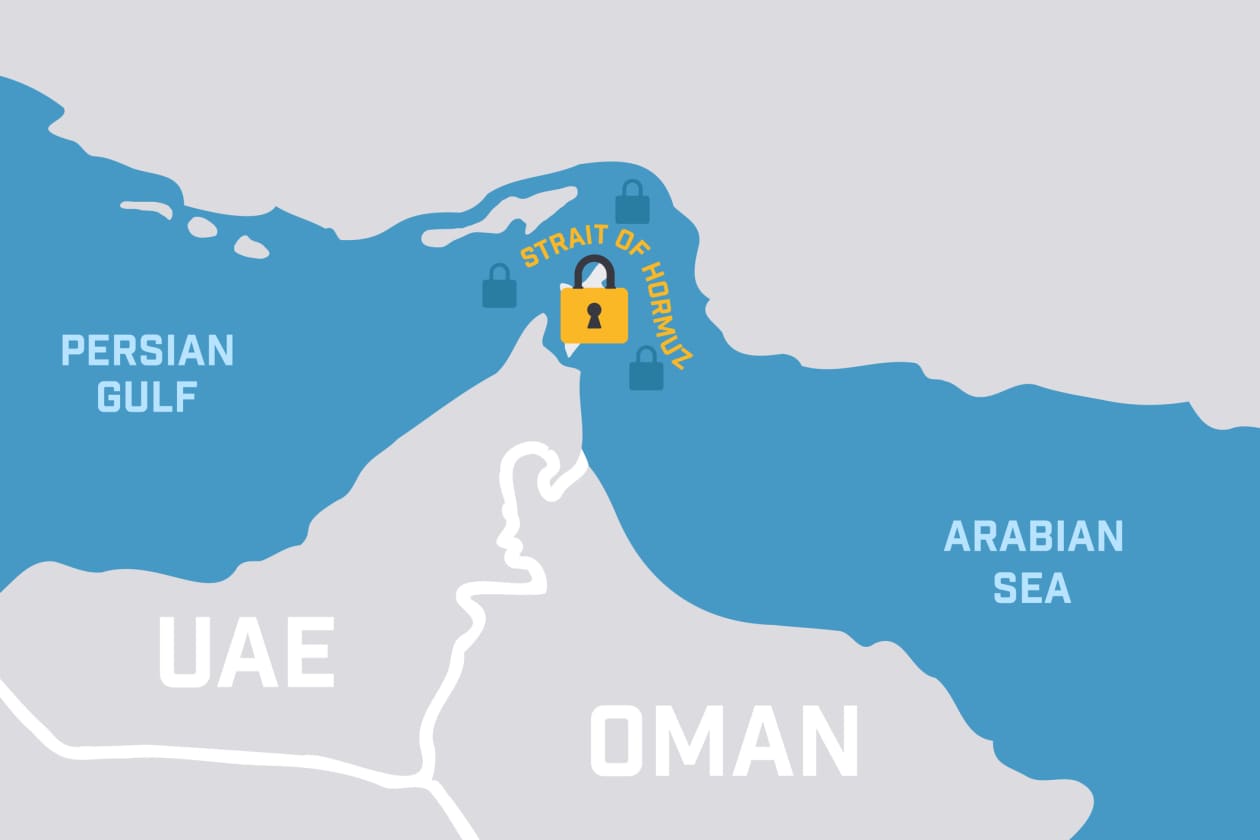
The Strait of Hormuz reopening sits at the center of a fragile ceasefire between the US and Iran, and UK Prime Minister Keir Starmer says the corridor will not simply snap back to normal without coordinated heavy lifting. Energy markets are whipsawing, insurers are pricing risk by the hour, and shipping firms are rerouting through costlier lanes. For readers tracking global trade, the stakes are raw: 20 percent of the world’s seaborne oil moves through this chokepoint, and every hour of closure ripples into freight, fuel, and inflation. Starmer is pitching a multilateral sprint that mixes naval security, diplomatic sequencing, and economic incentives – but the timeline is fuzzy, and patience across the shipping industry is thin.
- Starmer frames the Strait of Hormuz reopening as a collective security and trade imperative, not a unilateral mission.
- Energy and insurance markets remain volatile, with rerouting costs compressing margins across the supply chain.
- Diplomatic choreography hinges on sustaining the US-Iran ceasefire and bringing Gulf partners into a credible monitoring role.
- Cyber and drone threats complicate maritime patrols, demanding new command-and-control protocols.
- Delays could accelerate diversification of routes and suppliers, reshaping global energy flows.
Why the Strait of Hormuz Reopening Matters Now
The immediate issue is velocity. Tankers stranded in holding patterns face mounting demurrage fees, insurers are rewriting war-risk premiums daily, and refiners are juggling supply substitutions that can alter product yields. Starmer’s argument is blunt: unless allied navies and Gulf states co-own the security perimeter, the ceasefire window could close before commercial shipping regains confidence. The UK, with legacy ties to Gulf maritime lanes, is positioning itself as broker and guarantor, but that role demands proof of capability as much as diplomatic capital.
At the economic layer, the narrow waterway is not just about crude. Liquefied natural gas cargoes, petrochemicals, and critical raw materials flow through the same channel. A prolonged pause triggers knock-on effects across European winter gas stocking, Asian refinery runs, and even aviation fuel supply chains. By saying there is “a lot of work to do,” Starmer is signaling that security escorts, inspection protocols, and real-time intelligence sharing must be synchronized quickly.
Starmer’s stance effectively ties UK credibility to the speed and safety of reopening, elevating maritime security to a test of allied alignment.
Main Fault Lines Blocking a Swift Strait of Hormuz Reopening
Security Proof Over Optics
Naval shows of force do not automatically translate into merchant confidence. Shippers want verifiable, repeatable corridors with clear rules of engagement. That means codified escort schedules, standardized communication channels, and a single pane of glass for risk advisories. The UK Royal Navy and partners must integrate signals, drone surveillance, and anti-mine capabilities into an operational picture that insurers can price.
Diplomatic Layering
The ceasefire between Washington and Tehran is delicate. Any misstep by coalition assets could be framed as provocation. Gulf Cooperation Council members, especially Oman and the UAE, are pivotal intermediaries. Starmer’s call for “a lot of work” includes securing regional buy-in for inspection checkpoints and deconfliction hotlines. Without them, reopening attempts risk stalling in tit-for-tat accusations.
Economic Incentives and Pressure
Carriers rerouting via the Cape of Good Hope accept higher costs but lower conflict risk. To lure them back, there must be carrots: reduced premiums, guaranteed convoy slots, or expedited customs on arrival. Conversely, there are sticks – potential surcharges on routes that strain port capacity elsewhere. Starmer is weighing how far the UK can go in underwriting risk without socializing private losses.
Cyber and Drone Threats
Recent conflicts have shown how easily drones and cyber intrusions can disrupt port operations and navigation systems. Reopening plans must include hardened AIS data integrity, encrypted convoy comms, and rapid patching of port-side operational technology. A single successful spoofing attack could undo diplomatic progress.
Strategic Playbook: Steps Starmer Is Pushing
1. Multinational Command Stack
Instead of ad-hoc coordination, Starmer wants a defined command chain that blends naval assets from the UK, US, France, and key Gulf partners. Shared ROE (rules of engagement) and live intelligence feeds would allow faster response to threats and reassure commercial operators that convoys are backed by interoperable forces.
2. Insurance-Grade Transparency
Insurers drive routing decisions. Publishing daily risk dashboards, convoy timetables, and incident responses in near-real time gives underwriters a defensible basis to lower war-risk premiums. Starmer’s team is pressing Lloyd’s market participants to co-create these transparency standards so they are trusted by both shipowners and charterers.
3. Diplomatic Sequencing With Teheran
The ceasefire needs confidence-building measures: pre-announced patrol zones, avoidance of high-speed flyovers, and formalized communication lines between coalition ships and Iranian coastal commands. Starmer is advocating for Oman to host a neutral coordination cell, giving all sides a place to deconflict and defuse incidents before they escalate.
4. Commercial Incentives to Return
Expect temporary fee waivers at key destination ports, priority berths for vessels that transit under the agreed security framework, and possibly UK-backed guarantees for critical cargoes like medical supplies. These levers lower the operational friction for early adopters, building momentum toward normalized traffic.
5. Contingency Routing and Stockpile Buffering
Starmer is not betting everything on a flawless reopening. The UK is coordinating with European partners to top up strategic fuel reserves and diversify LNG cargo sources. It is a hedge: if the Strait remains volatile, consumer energy prices and industrial output can be cushioned.
Industry Impact: Who Wins and Who Scrambles
Energy traders: Volatility is a profit engine, but prolonged disruption forces them into more expensive hedging, squeezing margins. A credible reopening would stabilize forward curves, aiding balance-sheet planning.
Shipping lines: Large carriers that committed to Cape routes face a decision: stay the course for reliability, or pivot back for cost savings. The reopening timeline will sort agile operators from those stuck with rigid schedules.
Insurers and reinsurers: If risk models tighten and convoys reduce incident probability, premiums could fall, but any early mishap will harden rates again. Their appetite will reflect the quality of maritime data sharing.
Gulf economies: The UAE, Saudi Arabia, and Qatar rely on predictable passage. Rapid reopening preserves fiscal projections and infrastructure timelines. Delays could accelerate investment in pipeline bypasses, permanently altering trade geography.
UK diplomacy: Success would give Starmer leverage in broader security dialogues, from Red Sea protection to Baltic patrols. Failure would expose limits of UK influence post-Brexit.
Expert Signals and Early Red Flags
“Reopening is less about the number of ships and more about predictable behavior between navies and militias,” notes a Gulf-based maritime risk consultant.
Analysts are watching for three early indicators: a published convoy schedule endorsed by multiple flag states; a lull in drone or missile alerts within the corridor; and insurers issuing revised pricing bands. If these do not materialize within days, market patience will thin and rerouting will calcify.
Another red flag: political narratives. If Iranian state media frames coalition escorts as violations, domestic pressure could push Tehran to test boundaries. Conversely, if Western outlets oversell the readiness of the corridor and an incident follows, public trust erodes. Starmer’s messaging must balance urgency with realism.
Future Scenarios: How the Strait of Hormuz Reopening Could Evolve
Best Case: Managed Normalization
Coalition escorts run without incident for two weeks, premiums drop, and tanker traffic resumes at 80 percent of baseline. Gulf intermediaries maintain diplomatic channels, and the ceasefire solidifies into a longer-term maritime code of conduct. Starmer can then pivot to institutionalizing joint patrols and codifying crisis hotlines.
Middle Case: Stop-Start Traffic
Minor incidents trigger brief suspensions, creating a staccato flow that keeps premiums elevated. Shippers split fleets between Hormuz and Cape routes, and market volatility persists. Political pressure rises on Starmer to deliver tangible progress, forcing trade-offs between operational risk and economic relief.
Worst Case: Escalation and Diversion
A significant strike – even if accidental – collapses the ceasefire. Hormuz traffic plunges, and long-haul rerouting becomes entrenched. Energy-importing economies face price spikes, and emergency stock releases begin. The UK’s diplomatic capital erodes, complicating future coalition-building.
Why This Matters Beyond Energy
The reopening is a proxy for how mid-sized powers like the UK navigate multipolar tensions. It tests whether coalitions can protect global commons without sliding into escalation. It also highlights the growing role of cyber and drone tactics in maritime security. For businesses, the episode underscores the need for supply-chain optionality and live risk intelligence; for governments, it is a reminder that credibility is built through measurable security outcomes, not statements.
Starmer’s admission of “a lot of work to do” is more than caution – it is a warning that the window to stabilize the Strait of Hormuz is narrow. The next days will show whether allied coordination, regional diplomacy, and market incentives can converge fast enough to keep the world’s most strategic waterway open.
The information provided in this article is for general informational purposes only. While we strive for accuracy, we make no guarantees about the completeness or reliability of the content. Always verify important information through official or multiple sources before making decisions.