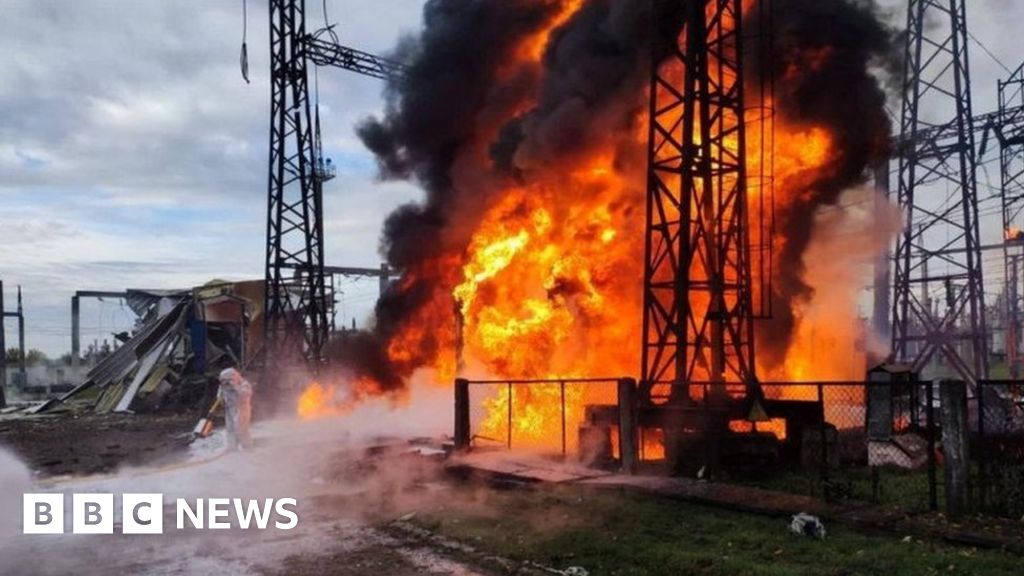
Strait of Hormuz reopening upends oil risk calculus

Strait of Hormuz reopening upends oil risk calculus
The Strait of Hormuz reopening is not just another headline; it is a flashpoint that can reset the global energy risk ledger. With Washington and Tehran inching toward talks, traders, shippers, and Gulf capitals are bracing for a fragile detente that could unlock stalled tankers while exposing new geopolitical fault lines. Oil benchmarks already price in the prospect of smoother flows, yet the market remembers how quickly a single incident can choke 20 percent of seaborne crude. The question is whether this reopening is a durable policy shift or a tactical pause in a longer standoff.
- Hormuz traffic is poised to resume, easing immediate supply fears but increasing reliance on diplomatic goodwill.
- US-Iran talks are a calculated bet: relief for oil prices now, with sanctions leverage still in play.
- Shippers and insurers are recalibrating war-risk premiums and reroute plans in real time.
- Gulf producers weigh revenue stability against the risk of inviting more Western naval presence.
Why the Strait of Hormuz reopening matters now
Closing or reopening a chokepoint like the Strait of Hormuz instantly re-prices geopolitical risk. Roughly a fifth of global seaborne crude and a sizable share of LNG transits this narrow corridor. When traffic halts, refiners scramble, insurers hike premiums, and freight rates spike. A promised reopening tied to US-Iran talks signals near-term relief, but it also concentrates risk in diplomatic outcomes that can shift with a single statement or misstep.
Key insight: Shipping lanes are leverage. Whoever controls predictability at Hormuz influences global inflation, not just barrel counts.
Energy desks are already modeling supply normalization scenarios while running stress tests on alternative routes. Strategic reserves can cushion shocks, yet they are finite and politically costly to deploy. The reopening narrative is therefore a test of credibility for all players involved.
How US-Iran negotiations intersect with Strait of Hormuz reopening
Washington frames the dialogue as a path to stability; Tehran frames it as recognition of its regional weight. Both see the strait as bargaining collateral. Any easing of sanctions-linked constraints could allow Iran to sell more crude, but incremental steps will likely be paired with verification demands. That linkage keeps the reopening conditional and subject to snapback if talks stall.
Sanctions calculus and market signals
Oil markets parse statements for signals on export volumes. If Iran secures phased relief, additional barrels could pressure Brent and WTI, tempering inflationary pressures. Conversely, ambiguity keeps volatility elevated and preserves the risk premium embedded in prices. Traders are watching for commitments on inspection regimes and timelines that turn rhetoric into shipping schedules.
Naval posture and deterrence
US and allied naval patrols often expand when Hormuz risk rises. A reopening tied to talks could reduce the visible footprint, but any incident – a seized tanker or a drone flyover – would trigger rapid redeployment. That oscillation between drawdown and surge is costly and signals to markets that stability is conditional.
Impact on shipping, insurance, and logistics
The most immediate beneficiaries of a stable Strait of Hormuz are shippers and insurers. War-risk premiums can erode margins on each voyage. A credible reopening allows underwriters to reassess pricing models and potentially trim surcharges. Yet insurers will keep clauses that let them reprice quickly if incidents recur.
Shipping desk reality check: A green channel today does not erase the need for contingency routes tomorrow.
Port operators in Fujairah and Jebel Ali may see throughput normalize, but they also accelerate digital tracking and AIS monitoring to catch early warning signs. The industry learned from past episodes that redundancy – alternative bunkering points and diversified crew rosters – is as valuable as a favorable premium.
Rerouting math and fleet allocation
Detouring around the Cape of Good Hope adds days and fuel costs, stretching supply chains and boosting emissions. A reopened Hormuz removes those detours, freeing up vessel availability and lowering freight rates. Shipowners will reassign tonnage based on expected stability windows, keeping older vessels on routes with higher perceived risk and newer, more efficient ships on premium lanes.
Gulf producers: revenue relief with strategic strings
For Gulf exporters, steady Hormuz flows mean predictable revenue and cleaner budget forecasts. Saudi Arabia, the UAE, and Kuwait benefit from stabilized differentials and lower shipping friction. But the relief comes with strategic strings: the more they rely on a reopened strait, the more they depend on US-Iran diplomatic health and US naval assurances they cannot directly control.
Investment signals for midstream projects
Pipeline expansions like the UAE’s East-West corridor or Saudi’s Petroline offer partial bypass capacity. A smooth Hormuz reduces urgency for costly expansions, yet investors may still back redundancy to hedge against future flare-ups. Expect joint ventures that balance cost discipline with resilience, especially for LNG where rerouting flexibility is limited.
Oil price trajectory and inflation feedback
Short term, the promise of reopened lanes eases upward pressure on Brent and WTI. Refiners get breathing room, and central banks get a small reprieve from fuel-driven inflation. Yet the market has priced in frequent geopolitical shocks; a single incident could restore the risk premium. Forward curves will reflect this push-pull, with near-dated contracts reacting to headlines and longer-dated ones to structural capacity and demand.
Market lens: Stability at Hormuz is a volatility suppressor until the next policy surprise.
For consumers, lower fuel costs translate to modest relief, but the stickiness of core inflation and OPEC+ production discipline cap the downside. Policymakers must treat energy price dips as tactical wins, not strategic victories.
Security and cyber dimensions of a reopened corridor
Physical reopening does not eliminate digital risk. Tanker navigation systems and port logistics platforms remain targets for cyber probes. A hybrid threat – minor GPS spoofing plus a small physical incident – could sow enough confusion to spike rates again. Governments will need to couple naval security with cyber hygiene mandates for vessels and terminals.
Data visibility and transparency
Expect increased use of satellite tracking, open AIS data, and machine learning to detect unusual vessel patterns. Greater transparency can deter malign activity but also exposes commercial data. Balancing security with proprietary logistics remains a live debate among operators and regulators.
Why this reopening may be fragile
The Strait of Hormuz reopening is tethered to diplomatic goodwill, domestic politics in both the US and Iran, and regional actors who see leverage in unpredictability. Election cycles, leadership statements, and proxy dynamics can all shift the calculus. Without a formalized mechanism – joint monitoring, clear red lines, rapid de-escalation channels – the reopening is best seen as a temporary détente.
Strategic takeaway: The chokepoint is open, but trust is not.
Investors and operators should treat this moment as a window to harden supply chains, diversify routes where feasible, and secure flexible insurance contracts that can adapt to headline risk.
Editorial stance: proceed, but hedge
Celebrate the immediate relief that comes from eased passage through the Strait of Hormuz reopening, but do not mistake it for a durable geopolitical shift. The smarter play is to bank the short-term gains, reinvest in redundancy, and assume that deterrence and diplomacy will move in cycles rather than straight lines. The market is rewarding predictability; the strait is offering a truce. Strategy means acting as if both can change tomorrow.
The information provided in this article is for general informational purposes only. While we strive for accuracy, we make no guarantees about the completeness or reliability of the content. Always verify important information through official or multiple sources before making decisions.